
Cottage FoodGuide
Cottage Food Labels: What Most States Require and How to Design One That Looks Professional
Cottage food laws disagree about almost everything except the label. Here are the six elements nearly every state asks for, the exact disclaimer wording six states use, and how to build a label that survives a refrigerator and still reads as a brand.
 United Farmers Market Editorial Team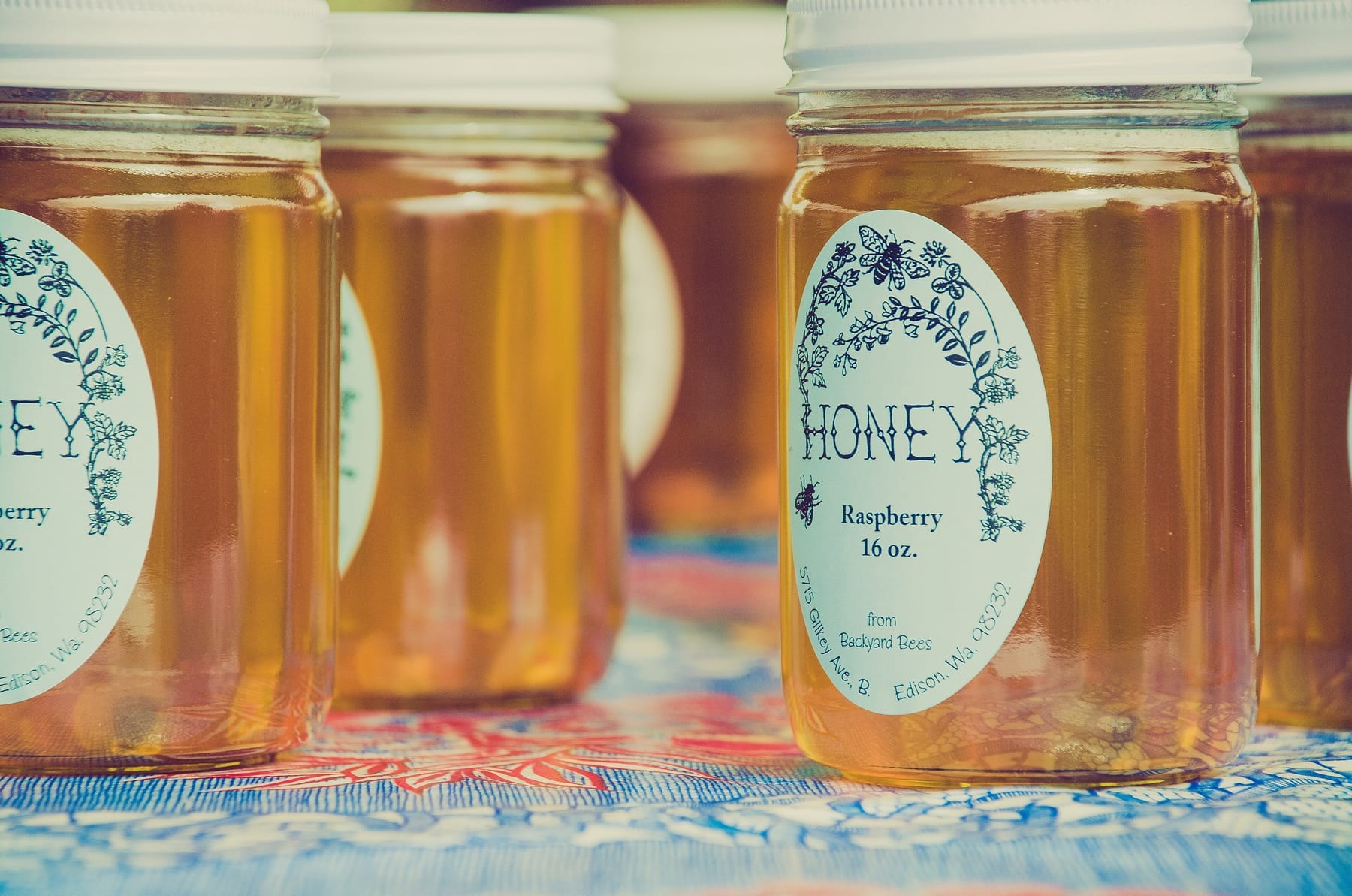
In this guide
- What has to be on the label?
- The name of the food
- Who made it, and where
- Ingredients, heaviest first
- Allergens, nine of them
- Net weight or volume
- The state disclaimer
- Dates, batches, and the extras
- How big does the type have to be?
- Which label stock survives the refrigerator?
- Print at home or send it out?
- Can a compliant label still look like a brand?
- Before you print 200 of them
A cottage food label has two readers. The first is a shopper deciding in a few seconds whether to pick up the jar. The second is the person at a state agency who fields the complaint if something goes wrong and wants to know who made this, what is in it, and whether the required sentence is there. First labels tend to be designed for the shopper, with the second reader squeezed in later in tiny type. This guide runs the other way: get the required block right first, then build the brand around it.
Cottage food laws disagree about nearly everything else, starting with what counts as cottage food. On the label, they converge. We read the statutes or agency pages for Texas, California, Florida, Michigan, Illinois, and Minnesota, plus the federal rules most of them borrow, and the same short list appears in each, with local variations in wording and type size.
What has to be on the label?
The name of the food
Five of the six states we checked ask for the common or usual name of the product: "Strawberry Jam," "Chocolate Chip Cookies," "Sourdough Bread." (Minnesota's list leaves it out, though nobody sells an unnamed jar.) A brand name like "Sunrise Batch" can sit above the product name in larger type, but "Orange Marmalade" still has to be there. FDA's Food Labeling Guide puts the name of the food and the net quantity on the principal display panel, the front face a shopper sees first.
Who made it, and where
The operation's name is universal. The address is where states split, so check it before you print anything.
- Florida requires the name and address of the cottage food operation.
- Michigan wants the physical address of the home kitchen and says plainly that a P.O. box is not allowed, unless you hold the voluntary MSU Product Center registration, whose number plus a telephone number may stand in for the address.
- Texas accepts either the address or a unique identification number issued by DSHS once the operation registers.
- Illinois does not require a home address. The label carries the operation name and its unit of local government, plus the registration number and the municipality or county where it was filed.
- Minnesota takes either the registration number or the address on your registration form.
- California requires the operation name plus the registration or permit number and the county that issued it. UC's cottage food program adds the operator's city and zip code, and a physical address as well if the operation is not listed in a current telephone directory.
If printing your home address on a jar makes you uneasy, check whether your state offers the registration-number route. Several do.
Ingredients, heaviest first
The federal rule at 21 CFR 101.4 is the one every state we checked adopts: ingredients by common or usual name, in descending order of predominance by weight. Two details trip up home producers.
Sub-ingredients count: chocolate chips and soy sauce are not single ingredients. The federal rule provides for a parenthetical listing; Michigan's page gives the example: "soy sauce" alone is not acceptable, "soy sauce (wheat, soybeans, salt)" is. Minnesota's extension service calls sub-ingredients best practice rather than a requirement, but the allergens inside them still have to be declared. Copy them from the package you bought.
Weight, not volume. A cup of flour weighs less than a cup of sugar, so a recipe written in cups can put ingredients in the wrong order. Weigh the recipe once; the same numbers feed your cost sheet.
Allergens, nine of them
Federal law names nine major food allergens: milk, eggs, fish, crustacean shellfish, tree nuts, peanuts, wheat, soybeans, and sesame. FDA's allergen page records that the FASTER Act was signed on April 23, 2021, and that its labeling requirements for sesame took effect on January 1, 2023.
There are two accepted ways to declare them. Put the source in parentheses after the ingredient, as in "flour (wheat)" or "whey (milk)," or add a "Contains" statement immediately after the ingredient list: "Contains wheat, milk, and soy." Name the specific tree nut, fish, or shellfish: "walnuts," not "nuts." Some state and extension pages still print the pre-2023 list of eight; Illinois Extension's does. Follow the nine.
Net weight or volume
Florida, Michigan, and California all require a net quantity. Texas's list does not include one, but nothing stops you from adding it. FDA's labeling guide sets the federal pattern: the statement sits in the bottom 30 percent of the principal display panel, parallel to the base; solids are stated by weight and liquids by fluid measure; and the number appears in both U.S. customary and metric units, as in "Net Wt 8 oz (227 g)." Michigan and California both require the metric equivalent. Net means the food only, not the jar.
The state disclaimer
This sentence tells a shopper the food came from an uninspected home kitchen, and no two states phrase it alike. Six examples, quoted from the statute or the agency's page:
| State | Required wording | Type size |
|---|---|---|
| Texas | "THIS PRODUCT WAS PRODUCED IN A PRIVATE RESIDENCE THAT IS NOT SUBJECT TO GOVERNMENTAL LICENSING OR INSPECTION." | No minimum in the statute; 12 point for the safe-handling text on refrigerated foods |
| California | "Made in a Home Kitchen" (or "Repackaged in a Home Kitchen") | 12 point, on the primary display panel |
| Florida | "Made in a cottage food operation that is not subject to Florida's food safety regulations." | At least 10 point, in a color that contrasts with the background |
| Michigan | "Made in a home kitchen that has not been inspected by the Michigan Department of Agriculture & Rural Development" | At least 11 point (about 1/8 inch), clear contrast |
| Illinois | "This product was produced in a home kitchen not inspected by a health department that may also process common food allergens. If you have safety concerns, contact your local health department." | "Prominent lettering" |
| Minnesota | "These products are homemade and not subject to state inspection" | 10 point minimum for the label |
Wording changes. Texas's S.B. 541, in force since September 1, 2025, swapped the old requirement for "a statement that the food is not inspected by the department or a local health department" for the capitalized sentence above, so an older Texas template no longer matches the statute. Before a print run, pull the sentence from your state's current page, not from a template or this table.
Dates, batches, and the extras
A few states add items the others skip. Minnesota requires the date the food was made, and for baked goods its extension service says that means the date they were actually baked. Illinois asks for the date the product was processed. Texas requires a batch number on pickled, fermented, and plant-based acidified canned foods, and refrigerated foods there carry the date made plus a safe-handling statement in at least 12-point type. California adds "Contains added sulfites" when sulfites are used, common with dried fruit. Your state guide lists these line by line.
How big does the type have to be?
The federal floor for information-panel text such as the ingredient list is type at least 1/16 inch high, measured on the lowercase "o," and "prominent, conspicuous and easy to read." The states in the table above set their disclaimer at 10, 11, or 12 point. Set the whole required block at 12 point and you have cleared all of them.
A few habits make small type readable:
- Use a plain sans-serif face for the required text, as Minnesota's extension service suggests. Save script faces for the brand name; a disclaimer in a hand-lettering font is hard to read and, where "prominent" lettering is required, arguably noncompliant.
- Dark text on a light ground. Florida and Michigan both write contrast into the rule; treat it as universal.
- Minnesota and California require English. Add a second language if your customers want it, but do not replace the English.
- Hand-printed labels are acceptable in Michigan if they are clearly legible, in durable permanent ink, and large enough to match the 11-point rule. A QR code can add detail, but Minnesota says outright that it cannot replace the required text.
Which label stock survives the refrigerator?
An office-supply paper label is fine on a dry bag of granola. On a jar of refrigerator pickles it wicks condensation, wrinkles, and lets inkjet ink bleed. Match the material to the worst place the product will sit.
- Uncoated paper. Cheapest and prints on anything. Dry goods in dry packaging only.
- Coated or synthetic (polypropylene or vinyl) labels. Water-resistant, so they handle jars, condensation, and refrigerated items. The "waterproof" sheet labels sold for home printers are usually one of these.
- Freezer-grade adhesive. Many standard adhesives let go in the cold. Anything frozen, or sold from a cooler, needs an adhesive rated for it.
- Kraft paper. Looks handmade but shows grease at once. Fine on a box or a tag; poor on a bag of butter-rich pastry.
Test before a print run: label a filled jar, refrigerate it overnight, and rub the label with a wet thumb; leave a labeled cookie bag in a warm car for an hour. Whatever fails there will fail at the market.
Print at home or send it out?
At home means a laser or inkjet printer and pre-cut sheet labels. Laser toner is heat-fused and tends to survive damp; ordinary inkjet ink runs unless the stock is made for it, so a laser printer is the better tool for jars. The advantage is flexibility: print twenty labels on a Tuesday night and change the ingredient list when you switch flour brands.
A print shop or online label service gives you roll labels, custom shapes, tighter color, and a finish you cannot get at home, usually with a minimum quantity and a proof to approve. It makes sense once the recipe and packaging have stopped changing.
A hybrid covers both: a printed brand label on the front that never changes, and a home-printed information label on the back with the ingredients, allergens, net weight, date, and disclaimer. When a supplier changes a sub-ingredient, you reprint the small label and keep the expensive one. Either way, the per-unit cost of the label belongs in your price, alongside the container covered in the packaging guide.
Can a compliant label still look like a brand?
Yes, and the trick is hierarchy. A shopper reads a label in an order: brand, product, then everything else. Give each level its own size and set the required block as calm, readable text rather than an afterthought.
A workable layout:
Front (principal display panel): brand name or logo at the top; product name in the second-largest type; net quantity near the bottom edge; the state disclaimer at 12 point where it is easy to find. California puts its "Made in a Home Kitchen" line on the front by law, and it reads honestly there in any state.
Back or side (information panel): the ingredient list and "Contains" line; operation name with the address or registration number; the date or batch number if your state requires one.
A hypothetical back panel for a bag of cookies might read: "Ingredients: unbleached wheat flour, semisweet chocolate chips (sugar, chocolate, cocoa butter, soy lecithin), butter (cream, salt), brown sugar, sugar, eggs, vanilla extract, baking soda, salt. Contains: wheat, soy, milk, eggs." That is the whole legal job in two lines, leaving the front free for the name you chose in our guide to naming and branding a home food business.
Two design rules carry most of the professional look: one typeface family plus one accent face for the brand name, and one label shape and palette across every product, so a table of six items reads as one maker.
Before you print 200 of them
- Open your state's page in our state guides and copy its disclaimer sentence exactly, capitals included.
- Confirm which producer details your state wants: home address, city and zip, or a registration or ID number.
- Weigh the recipe and order the ingredients by weight, with sub-ingredients in parentheses.
- Check every ingredient against the nine federal allergens and write the "Contains" line.
- Weigh several finished units and print a net quantity every one of them meets, in both ounces and grams.
- Set all required text at 12 point or larger, in a plain face, dark on light, and note any date or batch number your state requires.
- Print one proof, apply it to real packaging, run the refrigerator test, and hold the big order until the recipe and packaging stop changing.
The label is a small task next to the rest of starting a cottage food business, but it is the one piece of the business a stranger can hold in one hand and judge.
Sources and further reading
- 1.Food Allergies · U.S. Food and Drug Administration · accessed Sep 2, 2026 · Nine major food allergens; FASTER Act signed April 23, 2021, effective January 1, 2023; specific tree nut, fish, and shellfish must be named; parenthetical or 'Contains' declaration
- 2.The FASTER Act: Sesame Is the Ninth Major Food Allergen · U.S. Food and Drug Administration · accessed Sep 2, 2026 · Sesame must be labeled as an allergen on packaged foods as of January 1, 2023; example ingredient-list and 'Contains' formats
- 3.Guidance for Industry: Food Labeling Guide · U.S. Food and Drug Administration · accessed Sep 2, 2026 · Name of food and net quantity on the principal display panel; net quantity in the bottom 30 percent, parallel to the base, solids by weight and liquids by fluid measure, in metric and U.S. units; information-panel type at least 1/16 inch on the lowercase o, 'prominent, conspicuous and easy to read'
- 4.21 CFR § 101.4, Food; designation of ingredients · Legal Information Institute, Cornell Law School · accessed Sep 2, 2026 · Common or usual name in descending order of predominance by weight; sub-ingredients in a parenthetical listing
- 5.Texas Cottage Food Production · Texas Department of State Health Services · accessed Sep 2, 2026 · Label elements including address or DSHS unique identification number, allergen list with sesame, the capitalized disclosure statement, batch numbers for pickled and acidified foods, 12-point safe-handling text for TCS foods; SB 541 compliance from September 1, 2025
- 6.S.B. No. 541, 89th Legislature, Regular Session (enrolled text) · Texas Legislature Online · accessed Sep 2, 2026 · Amends Health and Safety Code § 437.0193 to replace the former 'not inspected by the department or a local health department' statement with the capitalized disclosure; unique identification number in place of the address for registered operations
- 7.California Health and Safety Code § 114365.2 · California Legislative Information · accessed Sep 2, 2026 · 'Made in a Home Kitchen' or 'Repackaged in a Home Kitchen' in 12-point type on the primary display panel; registration or permit number and county; ingredients in descending order by weight
- 8.Label Requirements (Cottage Foods) · University of California Agriculture and Natural Resources · accessed Sep 2, 2026 · California detail: operator name, city, and zip (physical address if not in a current telephone directory); net quantity in both U.S. and metric units; allergen declaration; 'Contains added sulfites'; labels in English
- 9.Florida Statutes § 500.80, Cottage food operations · The Florida Senate · accessed Sep 2, 2026 · Subsection (3) label elements including name and address and net weight or volume; required statement in at least 10-point type in a contrasting color
- 10.Cottage Food: Labeling · Michigan Department of Agriculture and Rural Development · accessed Sep 2, 2026 · Physical home address (no P.O. box) unless using the MSU Product Center registration number and phone; statement in at least 11-point type with clear contrast; net weight with metric equivalent; soy sauce sub-ingredient example; hand-printed labels acceptable if legible in durable ink
- 11.Labeling cottage food items · University of Minnesota Extension · accessed Sep 2, 2026 · Minnesota's six required items (no product name); registration number or address; date made, baking date for baked goods; the 'homemade and not subject to state inspection' statement; 10-point minimum; English; sub-ingredients best practice, not mandatory; QR codes may not replace label text
- 12.Labeling (Cottage Food) · University of Illinois Extension · accessed Sep 2, 2026 · Illinois: no home address required; operation name, unit of local government, registration number and municipality or county; date processed; the required disclaimer in prominent lettering; still lists eight allergens
Weekly newsletter
Market Dispatch
One email a week with the newest guide, what's in season, and a few things worth knowing before market day.
Email subscriptions are not open yet. Read every new story through our free RSS feed.
Follow Market Dispatch via RSS →Keep reading
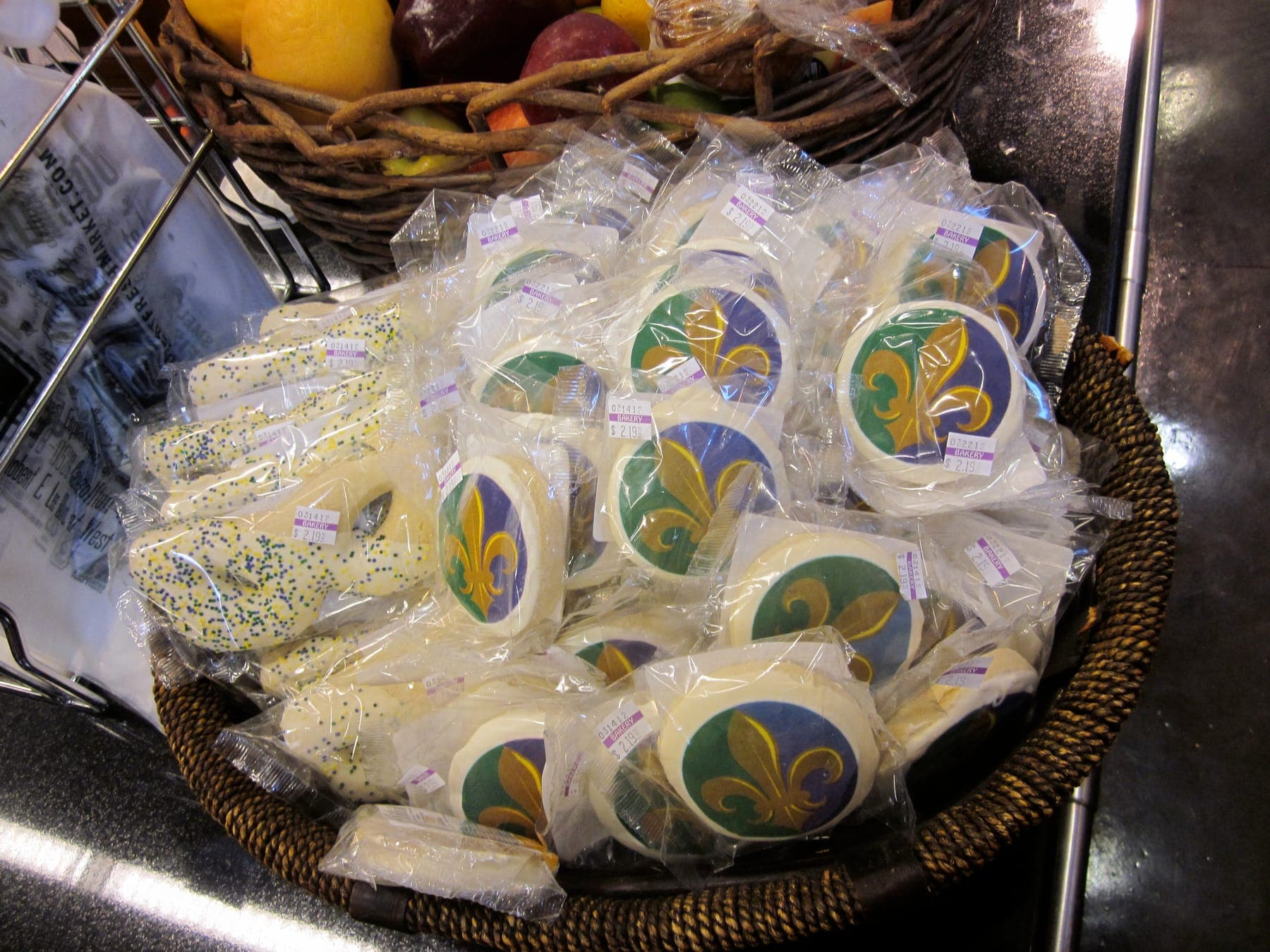
Packaging for Cottage Food: Materials, Costs, and Presentation That Protects the Product
A bag or box has three jobs: keep the product safe and fresh, carry the label your state requires, and sell it from three feet away. Here is how to choose packaging by product type, what a unit really costs, and which states require sealed, labeled packages before you can sell.
· 12 min read
Naming and Branding a Home Food Business Without a Design Budget
Your name goes on every label, sign, and search a customer will ever run. Here is how to choose one people can say and spell, run the SBA and USPTO checks before you print, and build a two-color, one-mark look you can keep for years without paying a designer.
· 10 min read
How to Start a Cottage Food Business: A Step-by-Step Guide
From the first read of your state's rules to your first market Saturday, in eight steps: choosing products that qualify, registration and training, labels, pricing, sales channels, bookkeeping, and a realistic plan for the first 90 days.
· 13 min read
What Counts as "Cottage Food"? The Definition, the Exceptions, and Why It Varies by State
Cottage food is a legal category, not a cooking style: food made in a home kitchen, sold directly to the person who eats it, and in most states limited to foods that stay safe at room temperature. Here is where that line comes from, how states move it, and what falls outside it almost everywhere.
· 9 min read