
State guideTexas
Texas Cottage Food Law: What You Can Sell, How to Register, and What the Rules Require (2026 Guide)
Texas rewrote its cottage food law in 2025. Home producers can now sell almost any food outside a short excluded list, gross up to $150,000 a year, and sell refrigerated foods after registering with DSHS. Here is what the statute actually requires, section by section.
 United Farmers Market Editorial Team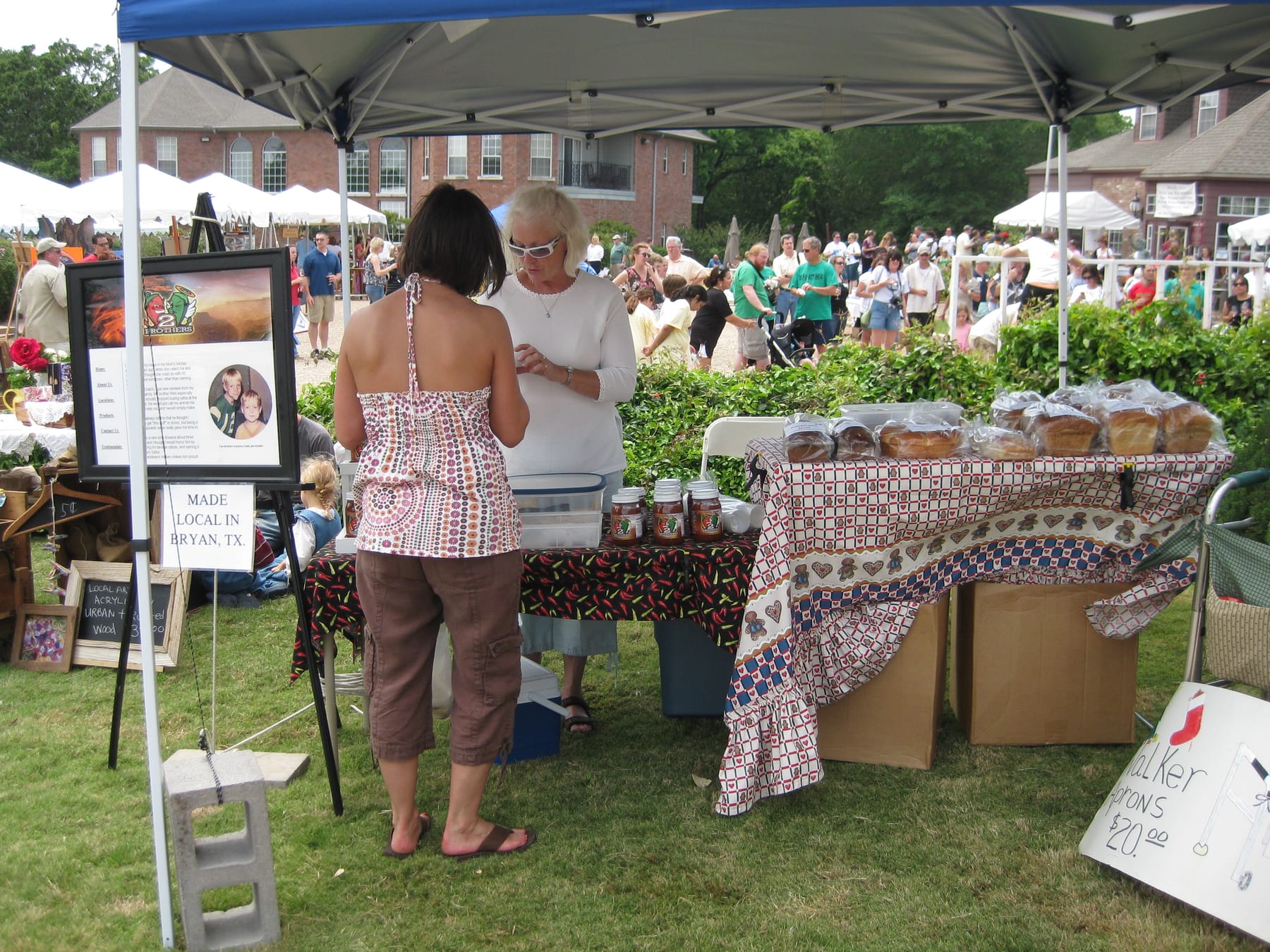
Texas at a glance
Texas Cottage Food Law (Cottage Food Production Operations), as amended by SB 541 (2025) · Texas Health and Safety Code, Chapter 437, Secs. 437.001(2-b) and 437.0191 through 437.01965; 25 Texas Administrative Code Sec. 229.661 · administered by Texas Department of State Health Services (DSHS), Retail Food Program
- Registration or permit
- No permit, license, or fee to operate, at the state or local level. You register on the DSHS Online Licensing Registry only if you sell refrigerated (TCS) foods, want a DSHS ID number on labels instead of your home address, or buy cottage food at wholesale as a vendor. Neither the DSHS page nor its registration guide lists a fee for that registration.
- Sales limit
- $150,000 or less in annual gross income from cottage food sales. The statute directs DSHS to adjust the figure each year for inflation using CPI-U; no adjusted figure had been published as of our review. The cap was $50,000 before September 1, 2025.
- What you can sell
- Any food except meat and poultry, seafood, ice and frozen desserts (including ice cream and popsicles), low-acid canned goods, products containing CBD or THC, and raw milk. Refrigerated foods are allowed with DSHS registration, temperature control, and extra labeling.
- Where and how you can sell
- Direct to consumers anywhere in Texas: from home, at farmers markets and events, and online with hand delivery by you, an employee, or a household member. No mail or carrier shipping. Wholesale is allowed only for non-TCS foods (nothing that needs refrigeration) sold to a registered cottage food vendor.
- Labeling
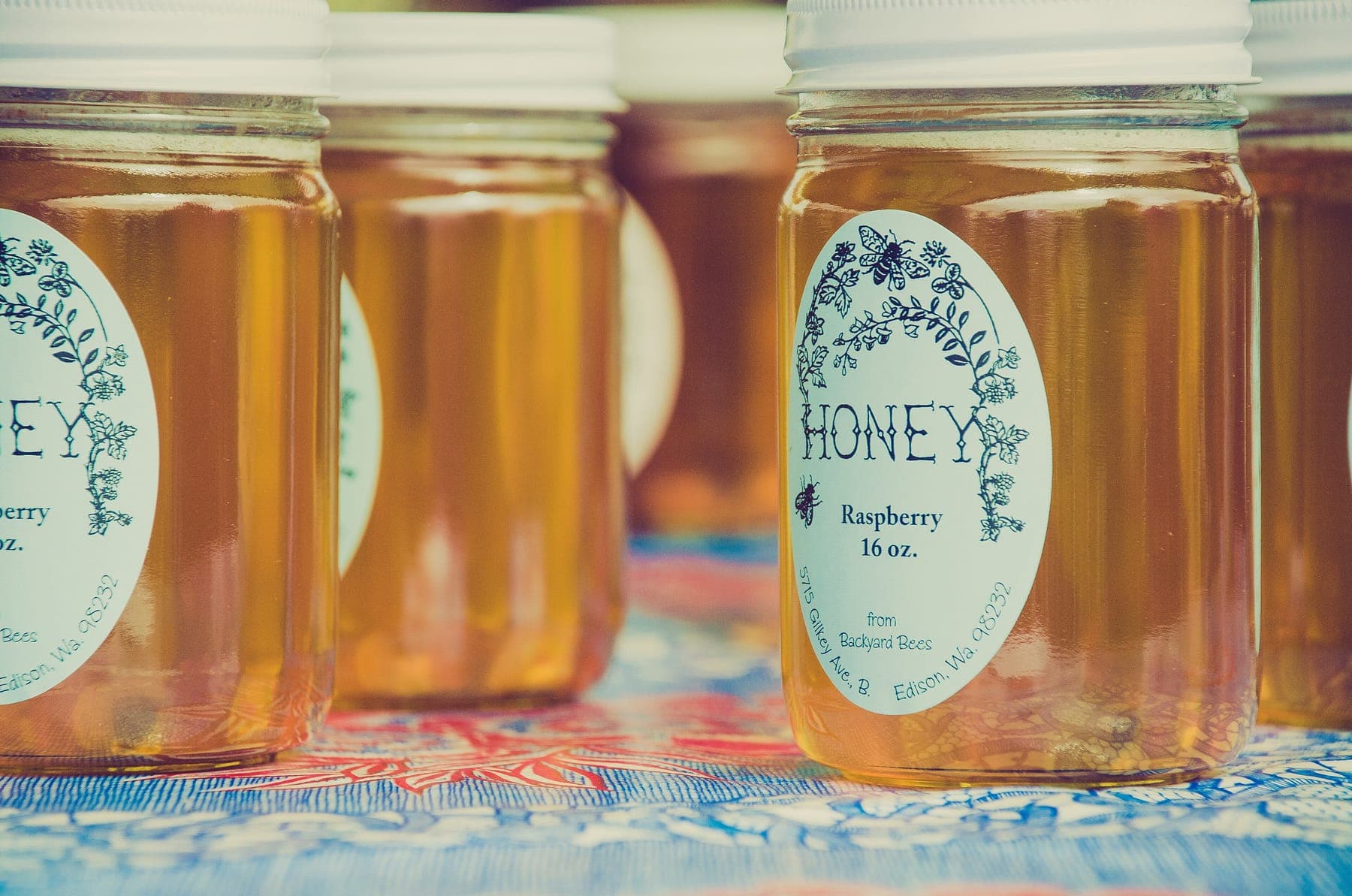
- Operation name, address (or DSHS ID number), product name, allergens, batch number for pickled or acidified foods, and the disclosure 'THIS PRODUCT WAS PRODUCED IN A PRIVATE RESIDENCE THAT IS NOT SUBJECT TO GOVERNMENTAL LICENSING OR INSPECTION.' Refrigerated foods add the date made and a safe-handling statement.
- Training
- An accredited basic food handler course is required for the operator. Texas A&M AgriLife Extension's DSHS-accredited online course is $15, takes under two hours, and the card is valid two years. A food manager certification also satisfies the rule.
- Inspection
- No routine inspections, and local health departments may not regulate production. DSHS and local health authorities must keep records of complaints and can issue emergency or recall orders to stop an immediate and serious threat to health.
Reviewed September 2, 2026. Rules change; confirm with the agency before you sell.
In this guide
- Who the law covers, and the short version
- What changed on September 1, 2025
- What can you sell?
- Refrigerated foods (TCS)
- Pickles, ferments, and acidified foods
- Where and how can you sell?
- Direct to consumers, anywhere in Texas
- Online orders, delivery, and shipping
- Wholesale through a cottage food vendor
- Do you need a permit, a registration, or a course?
- Permits and fees: none
- Food handler training: required
- DSHS registration: only in three situations
- What has to be on the label?
- Is there a sales limit?
- Inspections, complaints, and enforcement
- City, county, HOA, and market rules
- Caveats and things still in motion
- Where to get official help
Texas already had a wide-open cottage food law, and on September 1, 2025 it got much wider. A home producer can now make and sell almost any food that is not on a short excluded list, gross up to $150,000 a year, sell refrigerated items after registering with the state, and move non-refrigerated products through a registered "cottage food vendor" at a retail store. There is still no permit or fee, and no routine inspection. What you do have is a set of obligations in Health and Safety Code Chapter 437, and this guide walks through them with the statute open.
Who the law covers, and the short version
Chapter 437 defines a "cottage food production operation" as an individual working out of their own home, or a 501(c)(3) nonprofit working from the home of one of its directors or officers, who produces food outside the excluded categories, sells it directly to consumers or to a cottage food vendor, and delivers it at the point of sale or wherever the buyer designates. Meet that definition and you are, in the statute's words, "not a food service establishment."
The price of that freedom is a short list of duties: complete a food handler course, package and label everything a specific way, stay under the income cap, and, for a few product types, register with DSHS and keep records. Cities and counties cannot add to that list. The business side is covered in our guide on how to start a cottage food business.
What changed on September 1, 2025
Senate Bill 541, signed May 30, 2025 and effective September 1, 2025, is the biggest rewrite since the law was created in 2011.
| Rule | Before SB 541 | Since September 1, 2025 |
|---|---|---|
| Allowed foods | Nineteen named categories plus any other non-TCS food | Any food except six excluded categories, refrigerated foods included |
| Income cap | $50,000 | $150,000, adjusted annually for inflation |
| Refrigerated (TCS) foods | Prohibited | Allowed with DSHS registration, temperature control, and extra labeling |
| Who can operate | Individuals only | Individuals and 501(c)(3) nonprofits |
| Wholesale | Prohibited | Non-TCS foods only, to a registered cottage food vendor |
| Label disclosure | "Not inspected" statement | New capitalized disclosure (quoted below) |
| Local permits and fees | Barred for production | Barred for production, direct sales, and sampling |
Earlier updates still apply. The 2011 law covered three things: baked goods, canned jams and jellies, and dried herbs. House Bill 970 (2013) grew that to roughly twenty categories, pickles among them, and added the food handler requirement. Senate Bill 572 (2019) added fermented vegetable products, plant-based acidified canned goods, frozen raw produce, the catch-all for other non-TCS foods, the batch-record rules for pickled and acidified goods, and internet orders with personal delivery.
What can you sell?
The 2025 law flipped the approach from an allowed list to an excluded list. Under Sec. 437.001(2-b), a cottage food operation may produce any food other than:
- meat, meat products, poultry, or poultry products;
- seafood, including fish and shellfish and their products;
- ice or ice products, including shaved ice, ice cream, frozen custard, popsicles, and gelato;
- low-acid canned goods;
- products containing cannabidiol (CBD) or tetrahydrocannabinol (THC); and
- raw milk and raw milk products.
Everything the old list named (baked goods, candy, jams, pies, dried produce, popcorn, dry mixes, vinegar, coffee, herbs) is still fine. What actually changed is narrower than it sounds. Since 2019 the old list ended with a catch-all for "any other food that is not a time and temperature control for safety food," so shelf-stable items it never named (flour tortillas, crackers) were already legal. The real expansion is refrigerated food. Cheesecakes, cream pies, and anything else that needs a fridge went from prohibited to allowed with registration, under the TCS rules below. Acid-preserved foods still fall under the pH rules. For how states in general draw these lines, see what counts as cottage food.
Refrigerated foods (TCS)
A "time and temperature control for safety food" needs refrigeration or hot-holding to keep bacteria in check; the statute's own examples include cream or custard pies and cakes, dairy products, and raw seed sprouts. Sec. 437.01953 lets you sell TCS foods to consumers if you register with DSHS, store and deliver the food at the air temperature needed to prevent bacterial growth, and label it with the date made and a safe-handling statement. DSHS gives the working temperatures as 41°F or below for cold foods and 135°F or above for hot foods. TCS foods cannot be wholesaled to a vendor or donated.
Pickles, ferments, and acidified foods
Sec. 437.01951, added in 2019, still applies. For pickled fruit or vegetables, fermented vegetables, or plant-based acidified canned goods, you must use a recipe that DSHS has approved, a certified lab has tested, or a qualified process authority has signed off on, or else test each batch with a calibrated pH meter. Either way the finished product must reach an equilibrium pH of 4.6 or less. Label each batch with a unique number and keep records (batch number, recipe, testing or source documentation, and preparation date) for at least 12 months. Pickled cucumbers are exempt. DSHS lists the USDA Complete Guide to Home Canning (2015 revision), the University of Georgia's So Easy to Preserve (6th edition), and specific recent editions of the Ball preserving guides as approved recipe sources. A recipe from anywhere else goes through its Request for Official Determination form first.
Where and how can you sell?
Direct to consumers, anywhere in Texas
The statute's only limit on where you sell is that the sale be direct to a consumer, or to a cottage food vendor. Your front porch, a farmers market, a festival, and a customer's office all qualify. Sec. 437.01955 also lets you hand out samples "at any location in this state" under the sanitary standards in Sec. 437.020(c), and lets you donate non-refrigerated food to bake sales and similar events.
DSHS's farmers market page confirms cottage foods can be sold at markets, and that at markets under DSHS jurisdiction no temporary food establishment permit is needed for prepackaged foods that do not require refrigeration. A market in a city or county that runs its own health jurisdiction can read that differently, so ask the market manager who inspects the site. Samples need potable water on hand; cut produce and other potentially hazardous foods stay at 41°F or below and are discarded within two hours of cutting or preparation. Market operators set their own vendor rules; our farmers market vendor guide covers that process.
Online orders, delivery, and shipping
Sec. 437.0194(b) allows internet sales on two conditions: the operator, an employee, or a household member "personally delivers the food to the consumer," and the required label information is posted on your website before you take payment. Your address (or DSHS ID number) can wait for the label after payment. That is the only online pathway in the statute. Mail order was struck from the section in 2025, and nothing in Chapter 437 authorizes shipping by post, parcel carrier, or a third-party courier or delivery app. An online pickup order that you hand over yourself, the model our sister marketplace Local Cottage Foods runs on, sits inside this rule as long as the label information is posted before checkout.
Wholesale through a cottage food vendor
New in 2025: a "cottage food vendor" is a person in Texas who has a contract with your operation and sells your non-TCS products (nothing that needs refrigeration) directly to consumers on your behalf at a farmers market, a farm stand, a food service establishment, or any retail store. Every such vendor must post a sign carrying the state disclosure in a prominent place near where the food is offered for sale, and your label must carry the date the food was made. A vendor who buys from you at wholesale also has to register with DSHS. Any other wholesale, and any wholesale of TCS foods, remains prohibited. An operation that wholesales this way is exempt from DSHS manufacturer licensing under Chapter 431 (Sec. 437.0191(c)).
Do you need a permit, a registration, or a course?
Permits and fees: none
Sec. 437.0192 says a local government authority, including a local health department, may not regulate production at a cottage food operation and may not require "any type of license or permit" or "any fee" to produce, sell directly, or sample cottage food. The 2025 amendment added teeth: a local authority may not employ a person who knowingly demands a permit in violation of the section. DSHS issues no cottage food permit either.
Food handler training: required
Under Sec. 437.0195, the individual who operates the business must have completed a basic food safety course for food handlers accredited under Chapter 438, Subchapter D. Anyone else who prepares or packages your food must have the same training, work under your direct supervision, or be a member of your household. DSHS notes that a food manager certification also satisfies the requirement. Texas A&M AgriLife Extension's DSHS-accredited online food handler course costs $15, takes under two hours, and issues a card valid for two years. Its separate "Cooking Up a Cottage Food Business" course ($10, about an hour) describes itself as covering the current Texas law; it is not a handler card.
DSHS registration: only in three situations
Most Texas cottage producers never register with anyone. You register on the DSHS Online Licensing Registry only if you sell TCS foods, want a DSHS-issued unique identification number on your labels instead of your home address, or act as a cottage food vendor buying at wholesale.
DSHS's registration guide walks through the screens: create an account on the licensing portal, choose "Retail Food Program" and then "New Cottage Food Registration," enter a street address, list the products you make (the guide's own example is "Cookies, TCS Cheesecake, Frozen Cut Veggies, Flour Tortillas"), tick the attributes that apply (CFVD for vendor, NPAR for the ID number in place of a physical address, TCSP for TCS producer), and sign an attestation. Applications sit at "Open" until DSHS approves them, and the number then shows up as a "Cottage Food Registry" license in your account. Neither the guide nor the DSHS page lists a fee for it.
What has to be on the label?
Sec. 437.0193 requires that every food be packaged to prevent contamination (unless it is too large or bulky to package) and labeled. DSHS's page lists what the label must contain:
- the name of the cottage food operation;
- its address, or the DSHS unique identification number if you registered for one;
- the common or usual name of the product;
- the major food allergens it contains (DSHS gives eggs, tree nuts, soy, peanuts, milk, wheat, and sesame as examples, and the older administrative rule also names fish and shellfish, so treat the full federal list of nine as the safe default);
- for pickled, fermented, or acidified foods, the batch number; and
- this disclosure, verbatim: "THIS PRODUCT WAS PRODUCED IN A PRIVATE RESIDENCE THAT IS NOT SUBJECT TO GOVERNMENTAL LICENSING OR INSPECTION." (Health and Safety Code Sec. 437.0193(b))
TCS foods add two items: the date the food was made, and, in at least 12-point type on the label or on an invoice or receipt handed over with the food, "SAFE HANDLING INSTRUCTIONS: To prevent illness from bacteria, keep this food refrigerated or frozen until the food is prepared for consumption." Food sold through a cottage food vendor must also carry the date made.
The disclosure wording changed in 2025, so labels printed with the old "not inspected" statement no longer match the statute, even though 25 TAC 229.661, the DSHS rule last amended in 2022, still shows the old wording. Follow the statute and the DSHS page. For food too large or bulky to package (a tiered cake, a bulk tray), DSHS says the label information goes on the invoice or receipt. For layout and a printable checklist, see our cottage food labeling guide.
Is there a sales limit?
Yes: $150,000 or less in annual gross income from cottage food sales, per Sec. 437.001(2-b)(B). The statute directs DSHS to adjust that figure annually for inflation using the Consumer Price Index for All Urban Consumers. As of our review date, DSHS's page states the cap as $150,000 and we found no published adjusted figure, so use $150,000 and check DSHS each year. The cap is gross sales, not profit, and it applies to the whole operation. How other states count that number varies a lot, which we cover in cottage food sales limits explained.
Inspections, complaints, and enforcement
There are no routine inspections, and local health departments may not regulate production. The law keeps a safety valve: Sec. 437.0191(b) preserves the power of DSHS and local health authorities to issue emergency orders and recall orders against an immediate and serious threat to human life or health, and Sec. 437.0192(b) requires every local health department and DSHS to keep a record of each complaint filed against a cottage food operation. Good process records and a steady routine, like the one in our food safety fundamentals guide, are your defense.
City, county, HOA, and market rules
State law preempts local food-safety regulation of cottage food, and after 2025 it also preempts local permits and fees for direct sales and sampling. It says nothing about zoning, home-occupation ordinances, deed restrictions, or homeowners association covenants, and we found no DSHS guidance on those. A city could still have a general rule about signage or customer traffic at a residence, so ask your city planning office before advertising pickup at your door, and read your HOA documents. Farmers markets, festivals, and retail stores are private operators and can require liability insurance, a booth fee, or a copy of your food handler card. Those are contracts, not regulations.
Caveats and things still in motion
- The rule lags the statute. 25 TAC 229.661 was last amended effective October 9, 2022 and still reflects the $50,000 cap, the old food list, and the old label statement. DSHS's page says it "will adopt rules to include implementation of the new requirements." Until then, the statute and DSHS's web guidance control.
- The inflation adjustment has not been published. Watch DSHS's page for an updated cap.
- Extension materials predate the change. Texas A&M AgriLife's 2022 "Selling Foods Made at Home" factsheet describes the old law; its "Cooking Up a Cottage Food Business" course says it covers the current law.
- Sales tax and business filings are separate. Nothing in Chapter 437 exempts you from Texas Comptroller sales tax rules or from filing an assumed name.
Where to get official help
- DSHS Retail Food Program: foodestablishments@dshs.texas.gov or 512-834-6753. The cottage food page links the registration portal and guide, a Request for Official Determination form for recipe questions, and lists of accredited laboratories and process authorities for recipe testing.
- Texas A&M AgriLife Extension: the accredited food handler course and the cottage food business course.
- Texas Legislature Online: the enrolled SB 541 text and Chapter 437.
Before your first sale, the short list: take the $15 handler course, print labels with the new disclosure wording, and register on the DSHS portal first if anything you plan to sell needs a refrigerator. If you are comparing states, our state-by-state guides show how differently these laws read across a border.
Official resources for Texas
Sources and further reading
- 1.Texas Cottage Food Production · Texas Department of State Health Services · accessed Sep 2, 2026 · Agency summary of the law as amended by SB 541: excluded foods, TCS registration, label contents, sampling, vendors, local authority, and the statement that DSHS will adopt implementing rules.
- 2.S.B. No. 541, enrolled (relating to cottage food production operations) · Texas Legislature Online · accessed Sep 2, 2026 · Full amended text of Secs. 437.001(2-b), 437.0191(c), 437.0192, 437.0193, 437.0194, 437.01953, 437.01955, and 437.01965; effective September 1, 2025.
- 3.SB 541 bill history, 89th Regular Session · Texas Legislature Online · accessed Sep 2, 2026 · Signed by the governor May 30, 2025; effective September 1, 2025.
- 4.Texas Health and Safety Code Secs. 437.0191, 437.0192, 437.0195, 437.01951, and 437.0196 (mirror) · Public.Law (mirror of Texas Legislature Online text) · accessed Sep 2, 2026 · Used for the sections SB 541 did not rewrite, with their history lines (S.B. 81, 2011; H.B. 970, 2013; S.B. 572, 2019). The official statute site renders in-browser only.
- 5.S.B. No. 572, enrolled (86th Legislature, 2019) · Texas Legislature Online · accessed Sep 2, 2026 · Added fermented, acidified and frozen produce categories, the catch-all for other non-TCS foods, batch records for pickled and acidified foods, and internet sales with personal delivery; effective September 1, 2019.
- 6.S.B. No. 81, enrolled (82nd Legislature, 2011) · Texas Legislature Online · accessed Sep 2, 2026 · The original 2011 law: baked goods, canned jam or jelly, dried herb or herb mix, and a $50,000 cap; effective September 1, 2011.
- 7.H.B. No. 970, enrolled (83rd Legislature, 2013) · Texas Legislature Online · accessed Sep 2, 2026 · Expanded the food list to roughly twenty categories, added Sec. 437.0195 food handler training, and amended Sec. 437.0192; effective September 1, 2013.
- 8.25 Tex. Admin. Code Sec. 229.661, Cottage Food Production Operations · Legal Information Institute, Cornell Law School · accessed Sep 2, 2026 · DSHS rule text, last amended effective October 9, 2022; still reflects the pre-2025 cap, food list, and label statement.
- 9.Cottage Food Registration Guide (Ver. 2, 2025) · Texas Department of State Health Services · accessed Sep 2, 2026 · Step-by-step registration on the DSHS Online Licensing Registry; automatic approval; home address required; no fee listed.
- 10.Texas Farmer's Market · Texas Department of State Health Services · accessed Sep 2, 2026 · Cottage foods at farmers markets, permit exemption for prepackaged non-potentially-hazardous foods, and sampling standards under HSC 437.020.
- 11.Online Courses for Cottage Food Businesses · Texas A&M AgriLife Extension Service, Food Safety Education · accessed Sep 2, 2026 · Food handler course price, duration, DSHS accreditation, two-year card; 'Cooking Up a Cottage Food Business' course.
- 12.Selling Foods Made at Home: Texas Cottage Food Law · Texas A&M AgriLife Extension Service · accessed Sep 2, 2026 · Four-page factsheet published January 25, 2022; predates SB 541.
Weekly newsletter
Market Dispatch
One email a week with the newest guide, what's in season, and a few things worth knowing before market day.
Email subscriptions are not open yet. Read every new story through our free RSS feed.
Follow Market Dispatch via RSS →Related guides
How to Start a Cottage Food Business: A Step-by-Step Guide
From the first read of your state's rules to your first market Saturday, in eight steps: choosing products that qualify, registration and training, labels, pricing, sales channels, bookkeeping, and a realistic plan for the first 90 days.
· 13 min read
Cottage Food Labels: What Most States Require and How to Design One That Looks Professional
Cottage food laws disagree about almost everything except the label. Here are the six elements nearly every state asks for, the exact disclaimer wording six states use, and how to build a label that survives a refrigerator and still reads as a brand.
· 10 min read
What Counts as "Cottage Food"? The Definition, the Exceptions, and Why It Varies by State
Cottage food is a legal category, not a cooking style: food made in a home kitchen, sold directly to the person who eats it, and in most states limited to foods that stay safe at room temperature. Here is where that line comes from, how states move it, and what falls outside it almost everywhere.
· 9 min read
Packaging for Cottage Food: Materials, Costs, and Presentation That Protects the Product
A bag or box has three jobs: keep the product safe and fresh, carry the label your state requires, and sell it from three feet away. Here is how to choose packaging by product type, what a unit really costs, and which states require sealed, labeled packages before you can sell.
· 12 min read