
State guideFlorida
Florida Cottage Food Law: What You Can Sell, Where You Can Sell It, and What the Rules Require (2026 Guide)
Florida asks little of home food producers: no permit, no registration, no fee, and no inspection unless someone complains, with a $250,000 annual sales cap. The trade-off is a fixed list of shelf-stable foods and a label the statute spells out word for word. Here is what Section 500.80 actually requires.
 United Farmers Market Editorial Team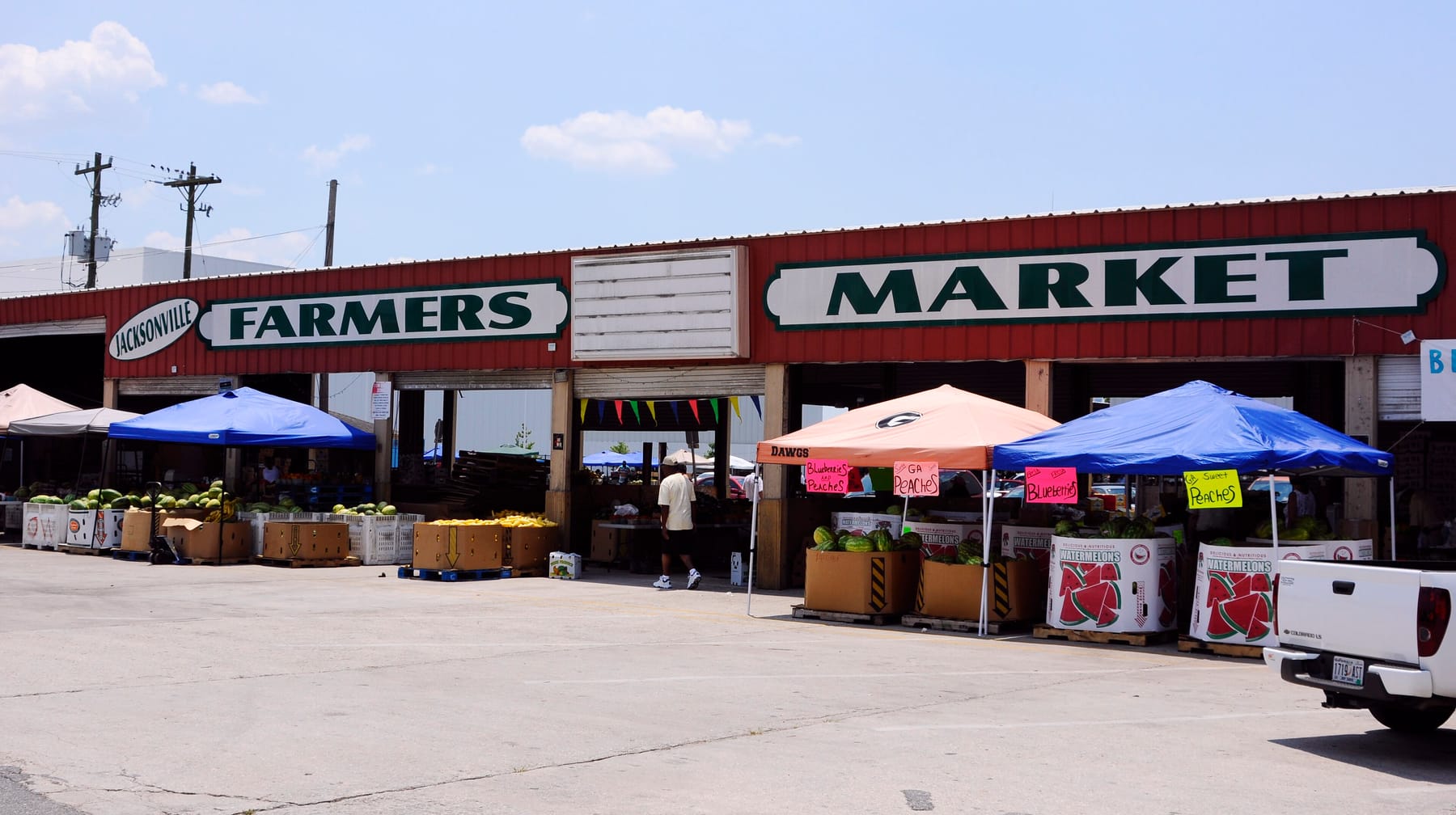
Florida at a glance
Florida Cottage Food Law (Cottage Food Operations), as amended by HB 663 (2021) · Florida Statutes, Section 500.80; definitions in Section 500.03(1)(i)-(j); home-based business conditions in Section 559.955 · administered by Florida Department of Agriculture and Consumer Services (FDACS), Division of Food Safety
- Registration or permit
- None. Florida has no cottage food permit, license, registration, or fee. Section 500.80 exempts a compliant operation from FDACS food permitting, and FDACS says it does not inspect cottage food operations. You still owe any local business tax receipt your county or city charges home-based businesses, plus state and federal taxes.
- Sales limit
- $250,000 a year in gross sales of cottage food products, counting every location and every person involved in the operation. FDACS can ask for written documentation of your sales. The cap was $15,000 when the law passed in 2011 and $50,000 from 2017 until the 2021 increase.
- What you can sell
- Only shelf-stable foods that are not time/temperature controlled for safety. FDACS's list: breads, rolls, biscuits, cakes, pastries, cookies, candies, honey, jams, jellies, preserves, fruit pies, dried fruit, dry herbs and seasonings, homemade pasta, cereals, granola, trail mix, nuts, vinegars, and popcorn. Nothing refrigerated, no canned or pickled vegetables, no salsas or sauces, and no meat, dairy, or CBD.
- Where and how you can sell
- Direct to the consumer only: from home, at farmers markets, flea markets, and roadside stands, delivered to an event venue, or sold online and by mail order and shipped by USPS or a commercial carrier. No wholesale, no consignment, no restaurants or grocery stores, and, per FDACS, no third-party pickup or distribution.
- Labeling
- Every product must be prepackaged with a label showing your name and home address, the product name, ingredients in descending order by weight, net weight or volume, federal allergen information, and, in at least 10-point contrasting type: 'Made in a cottage food operation that is not subject to Florida's food safety regulations.'
- Training
- None required by the statute or by FDACS. UF/IFAS Extension offices offer optional cottage food classes.
- Inspection
- No routine inspection. FDACS may investigate a complaint and, only after receiving one, enter and inspect your home. Refusing entry is grounds for disciplinary action under Section 500.121, which allows administrative fines.
Reviewed September 2, 2026. Rules change; confirm with the agency before you sell.
In this guide
- Who the law covers
- How the law got here
- What you can sell
- What is not allowed, and why
- Where and how you can sell
- In person
- Online, mail order, and shipping
- Off the table
- Permits, registration, fees, and training
- The label, line by line
- The $250,000 cap
- Storage, samples, and the rules inside your house
- Inspections, complaints, and penalties
- County, city, HOA, and market rules
- Caveats and things to watch
- Where to get official help
Florida's cottage food law is short, and most of what it asks of you would fit on an index card. Make one of the shelf-stable foods on the state's list in your own home kitchen, package it, put a specific label on it, sell it directly to the person who will eat it, and keep gross sales under $250,000 a year. There is no permit, no registration, no fee, no training requirement, and no inspector at your door unless someone files a complaint. That is the whole framework in Section 500.80 of the Florida Statutes.
Who the law covers
Section 500.03(1)(i) defines a "cottage food operation" as a natural person or an entity that produces or packages cottage food products at the residence of that person, or of an owner of the entity, and sells them under Section 500.80. The entity language arrived in 2021, so an LLC can qualify as long as the food is made in an owner's home. A "cottage food product" is food that is "not time or temperature controlled for safety or a potentially hazardous food as defined by department rule."
FDACS reads "residence" narrowly. Its guidance says the food must be made in the kitchen of your home, not a rented kitchen and not a motor home, and that nonprofits do not qualify because they have no single-family residence. Only potable water from a municipal system or a properly constructed well may be used, and FDACS suggests asking the local health department whether a septic system can take the extra wastewater.
If you meet that definition, Section 500.80(1)(a) exempts you from the food permit that other food establishments need under Section 500.12. Section 500.80(8) makes the flip side explicit: the cottage food rules do not apply to anyone already operating under a food permit, which is why a permitted bakery or a licensed farm stand cannot also sell "cottage food."
How the law got here
Florida's cap has been raised twice, and each rewrite changed how you can sell.
| Year | Law | What changed |
|---|---|---|
| 2011 | Ch. 2011-205 | Created the exemption. $15,000 cap. No internet or mail-order sales. Local ordinances still applied. |
| 2017 | Ch. 2017-32 | Cap to $50,000. Online orders allowed, but delivery had to be in person or to an event venue. Mail order still barred. |
| 2021 | Ch. 2021-211 (CS/HB 663), effective July 1, 2021 | Cap to $250,000. Mail order and shipping by USPS or commercial carrier allowed. Local regulation preempted. Entities can qualify. |
| 2025 | Ch. 2025-22 (SB 700), effective July 1, 2025 | Definition of "cottage food product" updated to time/temperature control for safety language. Section 500.80(1)(a) reenacted without substantive change. |
The Governor signed CS/HB 663 on June 29, 2021. UF/IFAS materials call the July 2021 changes the "Home Sweet Home Act," a nickname that belongs to the companion home-based business bill, CS/HB 403 (ch. 2021-202). The 2025 rewrite is technical, but it explains a wording clash you will run into: the definition now carries both phrases, and FDACS's guidance calls "potentially hazardous" the former name for a TCS food.
What you can sell
The statute never lists foods. It defines a cottage food product as anything that is not time/temperature controlled for safety (TCS) and leaves the details to FDACS rule and guidance. The agency's cottage foods page lists what it considers approved:
- loaf breads, rolls, and biscuits;
- cakes, pastries, and cookies;
- candies and confections;
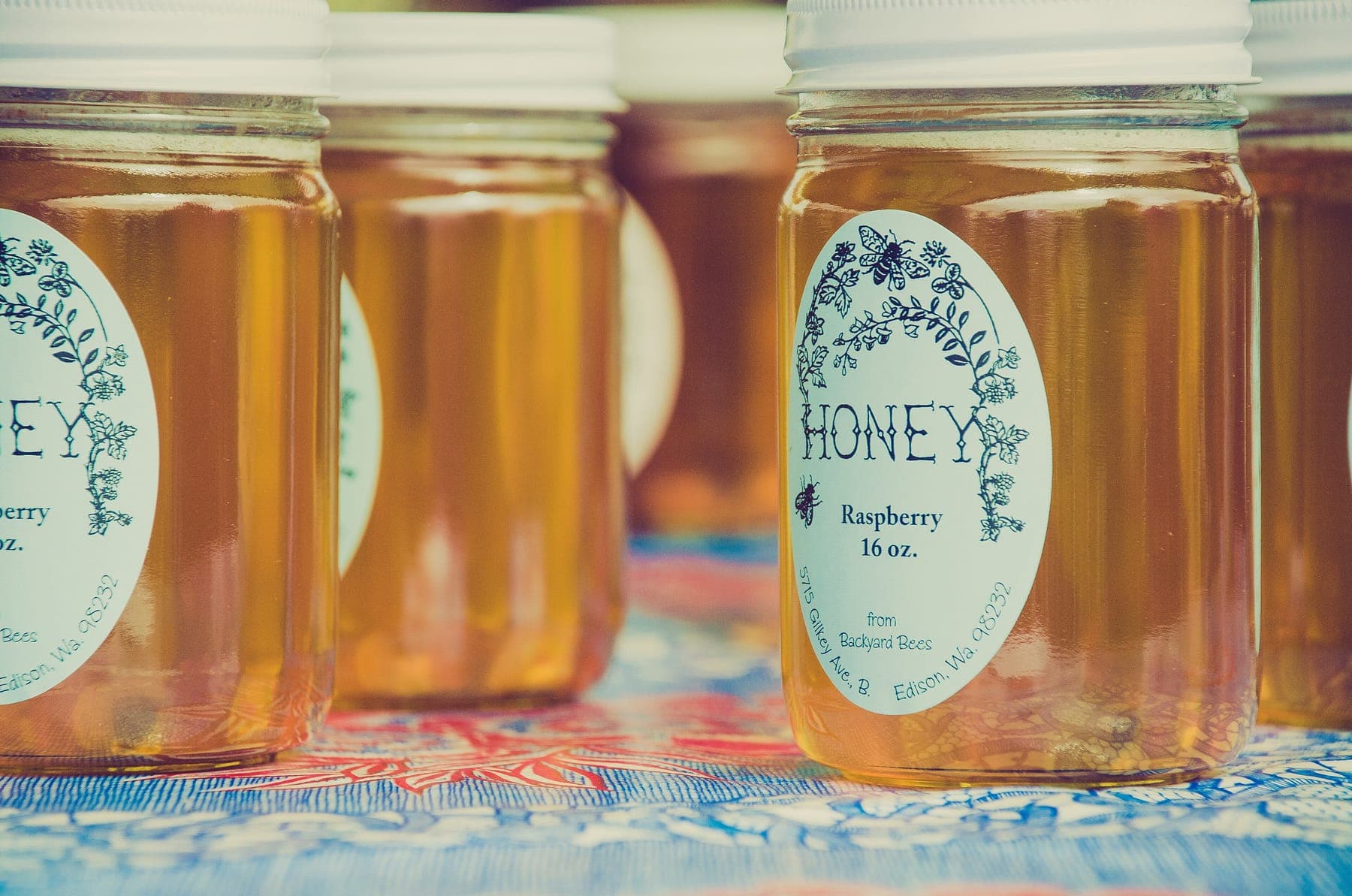
- honey;
- jams, jellies, and preserves;
- fruit pies and dried fruits;
- dry herbs, seasonings, and mixtures;
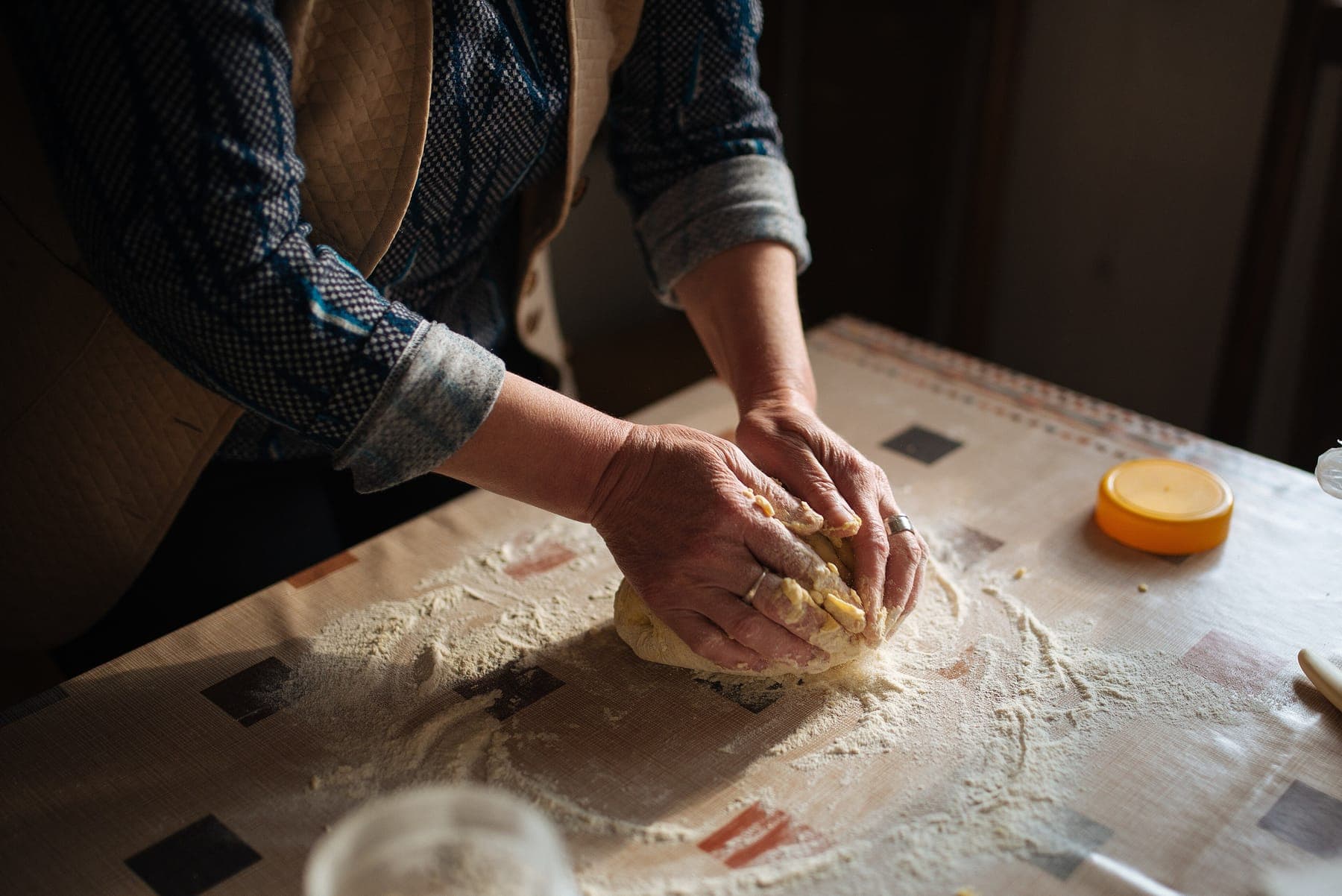
- homemade pasta;
- cereals, trail mixes, and granola;
- coated or uncoated nuts;
- vinegar and flavored vinegars; and
- popcorn and popcorn balls.
The FDACS FAQ adds several yes answers: homemade nut butters, roasted whole-bean or ground coffee (no brewed coffee), fruit butters such as apple butter, dry baking mixes, hard candies and lollipops, caramel and candy apples, cake pops without prohibited fillings or inedible decorations, home-ground flour, and quick breads or muffins with fruit or vegetables baked into the batter. Raw honey is allowed only if you harvest it from your own hives and package it yourself; buying bulk honey and rebottling it is manufacturing and needs a food permit.
What is not allowed, and why
The prohibited side runs on TCS logic. Anything that needs refrigeration or could support bacterial growth at room temperature is out, and so is anything that needs an approved process to be safe. The FDACS FAQ answers these one product at a time; the consolidated lists below come from UF/IFAS Extension.
| Category | Examples |
|---|---|
| Bakery goods that need refrigeration | Cream, custard, or meringue pies; cakes or pastries with cream cheese or real-butter icings and fillings |
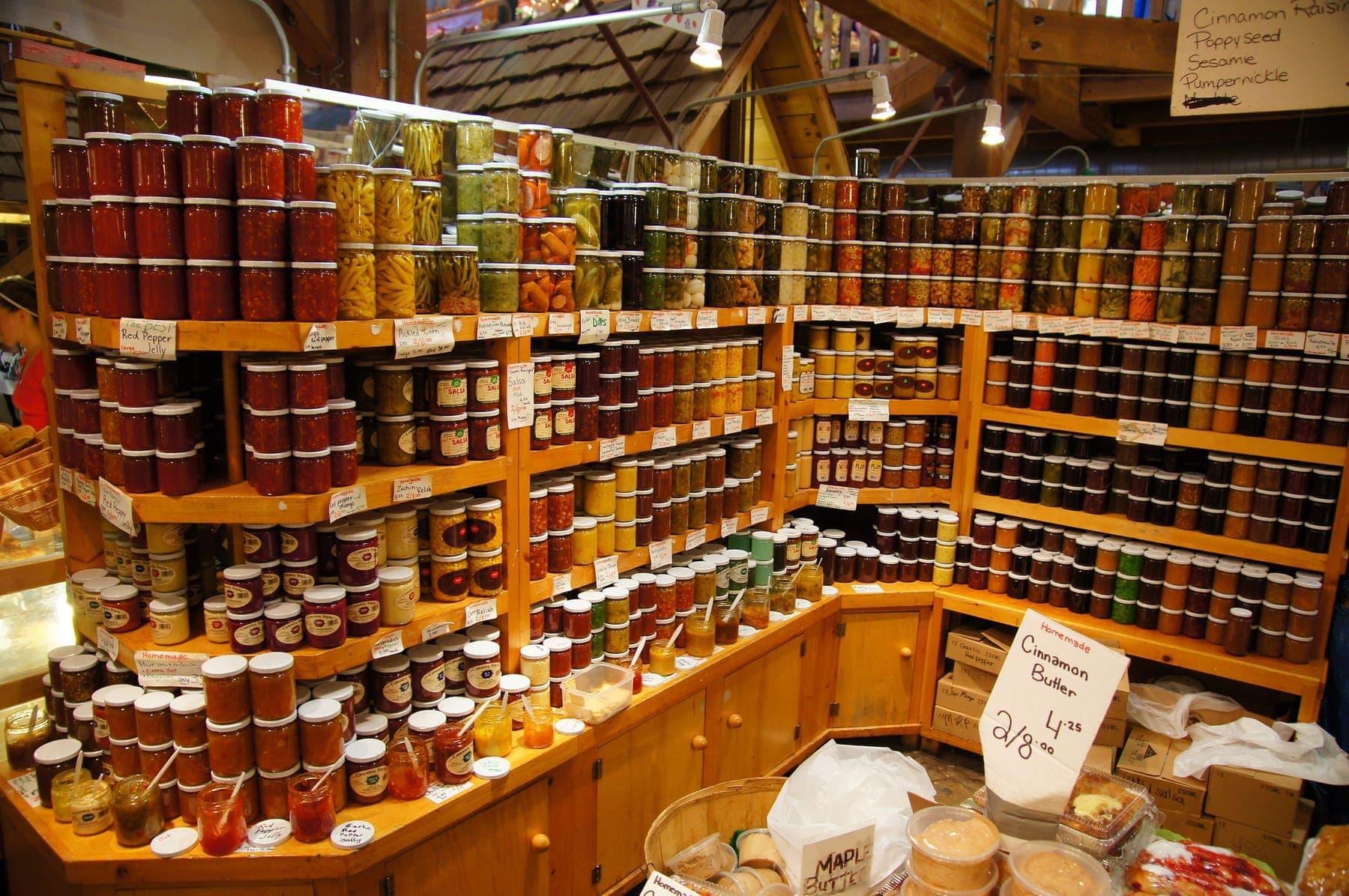
| Canned or acidified products | Canned fruits and vegetables, chutneys, pickles, corn relish, sauerkraut, vegetable butters and jellies |
| "Wet" products | Salsa, barbecue sauces, ketchup, mustard, hummus, garlic dip, flavored oils, syrups including elderberry |
| Animal products | Eggs, milk, cheese, yogurt, fish, shellfish, fresh or dried meat, jerky, meat-filled pastries |
| Fresh and cut produce | Cut fruits and vegetables, juices, raw seed sprouts |
| Other | Ice products, focaccia with vegetables or cheese, foods containing hemp extract, CBD, or THC, pet treats |
A few of these catch bakers off guard. Cream cheese and real-butter icings are TCS, so FDACS says no; margarine, shortening, and vegan butter icings are fine. Pumpkin and sweet potato pies are not allowed because they are vegetable pies, even though apple pie is. Vegetable butters such as pumpkin butter are out while fruit butters are in: FDACS credits the combination of acid, sugar, pectin, and heat for the safety of jams, and a low-acid vegetable puree has none of it. Baked goods may not be decorated or garnished with fresh fruit, and home-canned fillings cannot be used, though commercially canned pumpkin or cherry filling can. For the reasoning behind these lines across states, see what counts as cottage food.
Where and how you can sell
In person
FDACS approves sales from your residence directly to the consumer, and at farmers markets, flea markets, and roadside stands, "provided you have no other food items in your space that require a food permit." That last clause is the one to watch. A permitted food establishment cannot sell cottage food, a cottage producer cannot share a booth with a permitted mobile unit or vendor, and FDACS's FAQ says you cannot sell your baked goods out of a shop you lease for another business. Weddings and birthday parties are fine when you make, sell, and deliver the product to the venue yourself.
Markets are private operators. FDACS says a market board can require a food establishment license, insurance, or other conditions even from a cottage food vendor, because market policies "are generally outside the scope of any cottage food regulations." Ask before you book a table; our farmers market vendor guide covers what managers usually want to see.
Online, mail order, and shipping
Since July 1, 2021, Section 500.80(2) lets you "sell, offer for sale, and accept payment for cottage food products over the Internet or by mail order," and deliver them "in person directly to the consumer, to a specific event venue, or by United States Postal Service or commercial mail delivery service." A website with a checkout, a pickup order handed over at your door, and a box sent by USPS, UPS, or FedEx all fit. Our sister marketplace Local Cottage Foods runs on the pickup half of that: buyers order and pay online, and the producer hands the package over in person.
Two things the statute does not settle. First, it says nothing about state lines. UF/IFAS Extension's statewide fact sheet and its Lee County office say products may be shipped across state lines by USPS or a commercial carrier; its Polk and Orange County posts, both from 2026, say sales are limited to within Florida. We found no FDACS statement either way. Shipping into another state also brings that state's rules into play, so get the Division of Food Safety's answer in writing first. Second, FDACS's FAQ says cottage food "must be delivered and distributed directly to the consumer" by the operator and may not be "picked up or distributed by a third party." Read alongside the statute, that leaves a courier app or a friend's delivery run in doubt; the postal service and parcel carriers are the only third parties the law names. Our guide on selling cottage food online compares how states handle this.
Off the table
Section 500.80(2) bars wholesale outright, and FDACS spells out what that covers: no sales to restaurants or grocery stores, no consignment, and no sales to a wholesaler, broker, or distributor who would resell. The sale has to be producer to consumer.
Permits, registration, fees, and training
There are none. FDACS's page says cottage food operators "can produce and sell these products directly to consumers without obtaining a food permit," and its guidance adds that cottage food operations "are not inspected by any state government entity." Nothing in Section 500.80 requires a food handler card or any class, and neither FDACS nor UF/IFAS lists one. UF/IFAS county offices run optional sessions: Orange County Extension started an "Introduction to Cottage Foods in Florida" Zoom series in 2026 covering the law, food safety, and labeling.
Two obligations survive. Section 500.80(5) says the exemption does not touch "any state or federal tax law, rule, regulation, or certificate," so sales tax and income tax rules apply as they would to any business. And because Section 500.80(6) sends you to the home-based business statute, Section 559.955(2)(c) leaves a home-based business subject to the Chapter 205 business taxes of its county and municipality. UF/IFAS suggests asking the local tax collector about a business tax receipt. For the rest of the setup, see how to start a cottage food business.
The label, line by line
Section 500.80(3) says you may "only sell cottage food products which are prepackaged with a label affixed" that contains:
- the name and address of the cottage food operation;
- the name of the product;
- the ingredients, in descending order of predominance by weight;
- the net weight or net volume;
- allergen information as specified by federal labeling requirements;
- if you make a nutritional claim, the nutrition information federal law requires for it; and
- this statement, "printed in at least 10-point type in a color that provides a clear contrast to the background of the label": "Made in a cottage food operation that is not subject to Florida's food safety regulations." (Fla. Stat. 500.80(3)(g))
FDACS fills in the practical details. The label must be in English. The address must be the physical address of your home kitchen, not a post office box, because the point is traceback if there is ever a complaint. Sub-ingredients of anything you buy prepared must be listed, so "soy sauce" becomes "soy sauce (wheat, soybeans, salt)," and tree nuts must be named individually ("almonds," not "nuts"). No lab analysis is needed to write your ingredient list. For a wedding cake or anything that cannot take a sticker, put every required item on an invoice and deliver it with the cake, or on the box if it is boxed.
On allergens, federal law now recognizes nine: milk, eggs, fish, crustacean shellfish, tree nuts, peanuts, wheat, soybeans, and, since January 1, 2023, sesame. FDACS's guidance was last revised in July 2021 and predates the sesame requirement, so add sesame yourself; the UF/IFAS Lee County summary already includes it. Either method the FDA allows works: name the allergen in the ingredient list, or add a "Contains:" line after it that covers every allergen present. FDACS's sample label uses both. For layout and a printable checklist, see our cottage food labeling guide.
The $250,000 cap
The exemption applies while your annual gross sales of cottage food products "do not exceed $250,000." Section 500.80(1)(b) closes the obvious loopholes: gross sales include "all sales of cottage food products at any location, regardless of the types of products sold or the number of persons involved in the operation," and you must give FDACS written documentation of your sales if it asks. Keep a simple sales ledger from day one. Cross the line and the exemption is gone, which means a food permit under Section 500.12 and a facility that can pass inspection. Our sales limits explainer covers how to plan for that transition.
Storage, samples, and the rules inside your house
Section 500.80(4) says you may only sell products you store "on the premises of the cottage food operation." FDACS's guidance turns that into a floor plan: ingredients and finished products go in your kitchen, a spare room, or a basement that is free of dampness, pests, and other unsanitary conditions. A garage, shed, barn, or other outbuilding does not count.
Free samples are allowed, but they must be prepackaged in your home kitchen. You cannot slice a loaf at the market; slice it at home and put the pieces in lidded sample cups. Samples do not need their own labels, but a fully labeled package of the same product has to be on display so customers can read the ingredients.
Inspections, complaints, and penalties
Section 500.80(7) is the enforcement clause. FDACS "may investigate any complaint" alleging a violation, and "only upon receipt of a complaint" may an authorized officer enter and inspect your premises. Refusing entry is grounds for disciplinary action under Section 500.121, which lets FDACS impose an administrative fine in the Class II category under Section 570.971 on a cottage food operation that violates Chapter 500. A complaint is the only thing that opens your kitchen to an inspector, which is the argument for keeping the habits in our food safety fundamentals guide when nobody is checking.
County, city, HOA, and market rules
Section 500.80(6) preempts regulation of cottage food to the state: a local ordinance "may not prohibit a cottage food operation or regulate the preparation, processing, storage, or sale of cottage food products." Before 2021 the statute said the opposite, so if a county website still tells you to get a cottage food permit, it is out of date.
The same subsection requires you to meet the home-based business conditions in Section 559.955. Your business must be secondary to the home's residential use, must look like a residence from the street, may not generate more parking than a normal household, and must follow local rules on signage, noise, and odors that are no stricter than those for any other home. Retail transactions may only happen at the residential dwelling itself, not a detached structure. Up to two employees or contractors who do not live with you may work on site.
Two carve-outs. Section 559.955(5) says these protections do not override condominium, cooperative, or homeowners association declarations, so read your HOA documents before you advertise porch pickup. And farmers markets, festivals, and event venues are private, so their vendor rules, fees, and insurance requirements stand.
Caveats and things to watch
- The FDACS guidance is older than the statute. The current Cottage Food Operations document is Rev. 07/21: it reflects the 2021 law but not the 2025 definition wording, and its allergen list predates sesame. The FDACS-hosted download returned a login page on our review date; the copy hosted by UF/IFAS Extension St. Johns County is complete.
- Out-of-state shipping is unsettled. The statute is silent and UF/IFAS publications disagree. Get FDACS's answer in writing.
- Third-party delivery is a gray area. The statute names USPS and commercial mail carriers; FDACS's FAQ bars third-party pickup and distribution. Hand-delivering or shipping yourself is the safe path.
- The food lists are guidance, not statute. FDACS decides what counts as TCS, and the UF/IFAS lists run longer than the agency's own page (ice, syrups, flavored oils, hummus). If your product is not plainly on a list, email the Division of Food Safety before you sell it.
Where to get official help
- FDACS Division of Food Safety: 1-800-HELP-FLA (435-7352), FoodSafety@FDACS.gov, 3125 Conner Blvd., Suite B, Tallahassee, FL 32399-1650. The cottage foods page is the agency's summary, and the Cottage Food Operations guidance has the FAQ and sample label.
- Florida Legislature: Section 500.80 and Section 559.955.
- UF/IFAS Extension: the Cottage Food in Florida fact sheet and your county extension office, several of which run cottage food classes.
Before your first sale, the short list is a labeled package with the exact statement and your home address, a sales ledger, a call to your county tax collector about a business tax receipt, and a read of your HOA rules. If you sell in more than one state, our state-by-state guides cover the caps, permits, and training other states ask for.
Official resources for Florida
- FDACS: Cottage Foods
- Florida Statutes, Section 500.80, Cottage food operations (Florida Legislature)
- FDACS Cottage Food Operations guidance (FDACS-P-02072, Rev. 07/21), copy hosted by UF/IFAS Extension St. Johns County
- UF/IFAS EDIS FS425: Cottage Food in Florida
- Florida Statutes, Section 559.955, Home-based businesses
Sources and further reading
- 1.Florida Statutes, Section 500.80, Cottage food operations (2026) · Florida Legislature · accessed Sep 2, 2026 · Current statute text: $250,000 cap, internet and mail-order sales, delivery methods, label contents and required statement, on-premises storage, preemption, complaint-only inspection; history line through ch. 2025-22.
- 2.Florida Statutes, Section 500.03, Definitions (2026) · Florida Legislature · accessed Sep 2, 2026 · Definitions of 'cottage food operation' (natural person or entity, at a residence) and 'cottage food product' (not time or temperature controlled for safety).
- 3.Cottage Foods · Florida Department of Agriculture and Consumer Services · accessed Sep 2, 2026 · Agency summary: no food permit, $250,000 cap, approved product list, website and mail-order sales, no wholesale, prepackaged samples, Division of Food Safety contact details.
- 4.Cottage Food Operations (FDACS-P-02072, Rev. 07/21) · Florida Department of Agriculture and Consumer Services, Division of Food Safety (copy hosted by UF/IFAS Extension St. Johns County) · accessed Sep 2, 2026 · FDACS guidance and FAQ: TCS definition, sample label, allergen and sub-ingredient rules, sales venues, no consignment or third-party distribution, storage, water and septic, samples. The FDACS-hosted download returned a login page on our review date.
- 5.CS/HB 663 (2021): Cottage Food Operations · The Florida Senate · accessed Sep 2, 2026 · Chapter 2021-211; signed June 29, 2021; effective July 1, 2021. Raised the cap, authorized mail-order sales and delivery by mail, preempted local regulation.
- 6.CS/CS/CS/SB 700 (2025): Department of Agriculture and Consumer Services, enrolled text · The Florida Senate · accessed Sep 2, 2026 · Chapter 2025-22, effective July 1, 2025. Section 47 revised the 'cottage food product' definition to use time/temperature control for safety language; section 89 reenacted s. 500.80(1)(a) without substantive change.
- 7.Florida Statutes 2011 archive, Section 500.80 · The Florida Senate · accessed Sep 2, 2026 · Original text: $15,000 cap; no sales over the Internet, by mail order, or at wholesale; compliance with county and municipal ordinances required.
- 8.Florida Statutes 2017 archive, Section 500.80 · The Florida Senate · accessed Sep 2, 2026 · $50,000 cap; Internet orders allowed but delivery had to be in person or to an event venue; mail order and wholesale barred.
- 9.Florida Statutes, Section 559.955, Home-based businesses; local government restrictions · Florida Legislature · accessed Sep 2, 2026 · Conditions a home-based business must meet (residential zoning, parking, appearance from the street, no retail at a separate structure, nuisance rules) and the carve-out for condominium and HOA declarations.
- 10.Florida Statutes, Section 500.121, Disciplinary procedures · Florida Legislature · accessed Sep 2, 2026 · Administrative fines in the Class II category may be imposed on a cottage food operation that violates Chapter 500.
- 11.Cottage Food in Florida (FSHN20-55 / FS425) · UF/IFAS Extension, Food Science and Human Nutrition Department · accessed Sep 2, 2026 · Fact sheet by Ellis, Hagen, and Krug, original publication February 2021, revised July 2021: Table 1 of allowed and prohibited products, sales venues, shipping across state lines, local business tax accounts, fines after a complaint.
- 12.Cottage Food Operations 'Home Sweet Home Act' 2021 Update · UF/IFAS Extension Lee County · accessed Sep 2, 2026 · August 25, 2022 post on the 2021 changes: shipping across state lines by USPS or commercial carrier, a long prohibited-foods list (ice, syrups, flavored oils, sauerkraut), and sesame in the allergen list.
- 13.What Farmers Need to Know About Florida's Cottage Food Law? · UF/IFAS Extension Polk County · accessed Sep 2, 2026 · June 4, 2026 post stating sales are limited to within Florida and that samples must be prepackaged; used to document the conflicting extension guidance on interstate shipping.
- 14.Interested in Learning about Florida's Cottage Food Law? · UF/IFAS Extension Orange County · accessed Sep 2, 2026 · May 19, 2026 post announcing the 'Introduction to Cottage Foods in Florida' workshop series.
- 15.Food Allergies · U.S. Food and Drug Administration · accessed Sep 2, 2026 · The nine major food allergens under federal law; sesame requirements effective January 1, 2023.
Weekly newsletter
Market Dispatch
One email a week with the newest guide, what's in season, and a few things worth knowing before market day.
Email subscriptions are not open yet. Read every new story through our free RSS feed.
Follow Market Dispatch via RSS →Related guides
How to Start a Cottage Food Business: A Step-by-Step Guide
From the first read of your state's rules to your first market Saturday, in eight steps: choosing products that qualify, registration and training, labels, pricing, sales channels, bookkeeping, and a realistic plan for the first 90 days.
· 13 min read
Cottage Food Labels: What Most States Require and How to Design One That Looks Professional
Cottage food laws disagree about almost everything except the label. Here are the six elements nearly every state asks for, the exact disclaimer wording six states use, and how to build a label that survives a refrigerator and still reads as a brand.
· 10 min read
What Counts as "Cottage Food"? The Definition, the Exceptions, and Why It Varies by State
Cottage food is a legal category, not a cooking style: food made in a home kitchen, sold directly to the person who eats it, and in most states limited to foods that stay safe at room temperature. Here is where that line comes from, how states move it, and what falls outside it almost everywhere.
· 9 min read
Packaging for Cottage Food: Materials, Costs, and Presentation That Protects the Product
A bag or box has three jobs: keep the product safe and fresh, carry the label your state requires, and sell it from three feet away. Here is how to choose packaging by product type, what a unit really costs, and which states require sealed, labeled packages before you can sell.
· 12 min read