
Farmers MarketsExplainer
Winter Markets: How They Work and Why Vendors Should Consider Them
About one in five U.S. farmers markets runs all twelve months, and others open a separate indoor season. Here is what a winter market looks like from the inside, what sells at one, what changes when you move under someone else's roof, and how to find the one nearest you.
 United Farmers Market Editorial Team
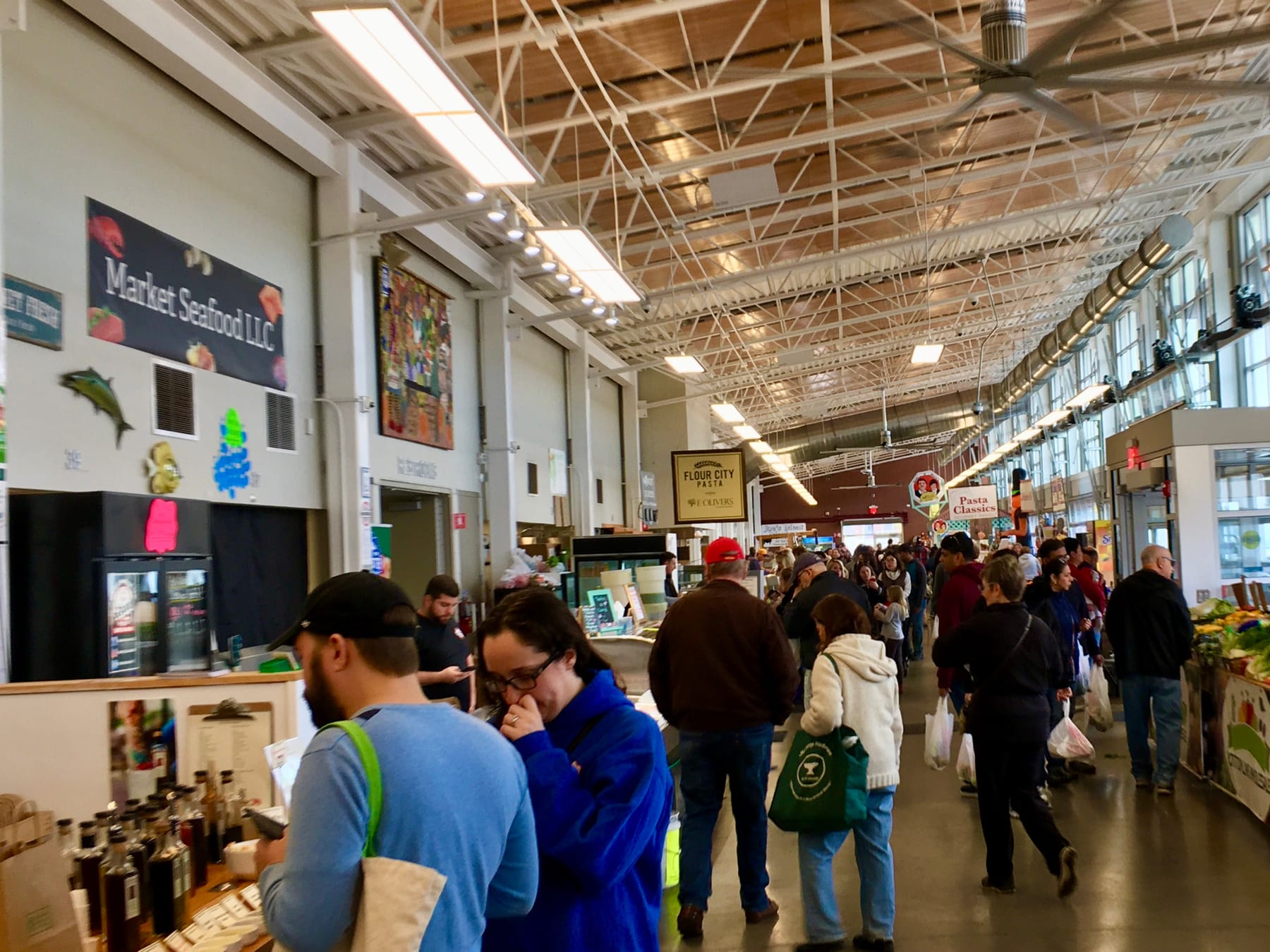
Regional note. Winter market density varies enormously by region. The Pacific states and much of the South run markets in January as a matter of course; the Upper Midwest and northern New England mostly do not, and where they do it is indoors and less often.
In this guide
The canopy goes in the garage in late October and both sides of the table treat that as the end of the year. For about one market in five it is not: 21 percent of U.S. farmers markets ran all twelve months the last time USDA counted, and others open a separate cold-season market indoors, in a school gym, a converted feed mill, a train depot, a covered pavilion. What sits on those tables is different from July, and so are the fees and the rules, because you are under somebody else's roof.
How many markets actually run in winter
The national numbers come from the USDA National Agricultural Statistics Service, which surveyed market managers about the 2019 season across the contiguous 48 states and published in August 2020. It counted 8,140 markets. Twenty-one percent reported operating year round.
The monthly line beside it does not reconcile with that on its face. Only 2.5 percent of markets reported operating in January and 3.2 percent in February, well under the 21 percent that said they run year round, which suggests the monthly figures count seasonal markets rather than every market open in a given month. The report does not explain the gap. The shape holds either way: 13.8 percent in November, 6.6 percent in December, bottoming out in January.
Where you live decides most of that number.
| Census region | Markets operating year round, 2019 |
|---|---|
| West | 37.2% |
| South | 25.6% |
| Northeast | 16.7% |
| Midwest | 7.3% |
| United States | 21.0% |
Inside those regions the spread is wider. Half of Pacific division markets (50.9 percent) ran year round, against 10.0 percent in New England. Cities carry winter: 25.9 percent of urban markets versus 7.8 percent of rural ones. Our read of the full survey covers the rest.
None of this means a Vermont town has no winter market. It means the Vermont winter market is usually a separate market with its own season and application.
What the room looks like
Winter markets rent whatever the town has that is heated with a floor you can mop. Four real 2026 and 2027 seasons:
| Market | Winter venue | Season | Frequency |
|---|---|---|---|
| Cuyahoga Valley (Bath, OH) | Old Trail School | Nov 7 to Apr 24 | Saturdays, three holiday closures |
| Brattleboro (VT) | Croker Gymnasium | Nov 7 to Mar 27 | Every Saturday |
| Dane County (Madison, WI) | Garver Feed Mill | Jan 2 to Apr 3 | Every Saturday |
| Cheyenne (WY) | Cheyenne Depot | Nov 7 to May 1 | 1st and 3rd Saturdays |
Coppell, Texas throttles down rather than moving: weekly April through mid-December, then second and fourth Saturdays only January through March. A one-weekend December holiday market is a third thing, covered in our holiday market field guide.
The venue changes two things. Space shrinks: Cuyahoga Valley's outdoor summer stalls are 10 by 10 feet, while its indoor winter spaces are 10 feet wide and sized to fit an 8-foot table. And loading happens through a door. Its winter vendors have to break down and pack the booth before bringing a vehicle around to the back of the school; Coppell forbids driving through its pavilion at all.
What is actually on the tables
Three supplies feed a winter market, and they are not July's three.
Storage crops. Root vegetables and cured alliums are the backbone, and the reason is arithmetic. Iowa State University Extension puts carrots at 4 to 6 months held at 32 to 35°F with near-total humidity, potatoes at 5 to 8 months at 40°F, onions at 5 to 8 months and garlic at 6 to 7 in cold dry storage, and hubbard squash at 5 to 6 months after curing. A grower with a cooler and a good October harvest has stock through March, as the late-winter storage crops guide covers.
Tunnel greens. Unheated high tunnels supply the fresh green things. Purdue Extension's guidance for zone 6a is that baby-leaf greens, spinach, chard, kale, radishes, and salad turnips need to be near harvest size by mid-November, because after that short days and low light slow growth to almost nothing. Greens at a January market are usually a fall crop being harvested slowly, not a crop growing now.
Animal products and value-added goods. Meat, eggs, cheese, honey, maple, preserves, bread, and prepared foods carry no season, which is why they fill out the winter roster. Dane County's Garver Feed Mill market lists fruits and vegetables, cheeses, meats, honey, bakery items, and specialty foods, and it takes only Wisconsin agricultural items the vendor produced, with no craft. Montana's Missoula Valley Winter Market draws the line elsewhere: around 30 vendors selling baked goods, crafts, kombucha, and fresh produce when NCAT profiled it in 2022.
Why the mix suits cottage food sellers
Cottage food is a legal category, and in most states it is limited to food that does not need time or temperature control for safety. Michigan's exemption, to take one, covers "certain non-potentially hazardous foods" made in a home kitchen for direct sale at farmers markets. That constraint is a nuisance in July and an advantage in January.
Most of what is hard about a summer market is the cold chain and the weather: ice, coolers, a canopy that behaves like a sail, product wilting by 11 a.m. Indoors none of it applies to a jar of jam or a tray of shortbread. You need a table, a cloth, signage that stands up on its own, and a card reader.
The other advantage is structural. Produce vendors thin out in January, so a category the market capped in July may be one it is short of by February. Our guide to finding markets to sell at covers how to ask a manager what they need.
What changes when you move indoors
The vendor basics do not change: producer rules, insurance, sales tax, labeling. The physical booth does.
Power is rationed and priced. Cuyahoga Valley charges $5 a week for a 15-amp plug in winter against $10 in summer, and describes availability as limited and only as needed. Coppell notes each outlet is on its own breaker and handles exactly one food-warming appliance. Ask what amperage you get before planning around a warmer or a display freezer.
Heat is somebody else's problem, and yours is banned. Coppell prohibits propane and natural gas except for approved cook-on-site vendors, says propane heaters cannot be used inside the pavilion, and bans electric space heaters because the power supply cannot take them. Assume the same until a market says otherwise, and dress for the room rather than the parking lot.
You cannot hang anything. Coppell's pavilion rules forbid attaching signage to walls, doors, ceilings, windows, or pillars, so vendors use front-of-table and floor signs. If your display depends on a banner clipped to a canopy frame, it needs a redesign; the booth display guide has the free-standing versions.
Fees move in both directions. Cuyahoga Valley's flat booth fee drops from $45 in summer to $35 in winter. Coppell prices by location rather than season: $20 for a 10-by-10 outside stall, $25 for a 9-by-9 pavilion single, $30 for a 9-by-18 double. Coppell also asks pavilion vendors to attend year round, with no more than 10 missed market days a season.
Applications close early. Brattleboro's deadline for new vendors was September 1 for a November 7 opening; Cheyenne uses September 1 as a priority date and takes later applications as space allows. If your local winter market is already running, visit as a shopper, get the manager's name, and ask when next season opens.
Weather still matters, mostly on the drive. Our weather preparation guide covers cancellation policies and how markets announce them.
How to find a winter market near you
Start with the USDA National Farmers Market Directory, which lists markets with two or more farm vendors selling agricultural products directly to customers at a common, recurrent location, along with operating times. On the Local Food Portal search page, open More Filters and use Open Months: select January or February, add your state, and you have a candidate list. Listings go stale between seasons, so treat every result as a lead.
Then check what a national directory cannot keep up with:
- Your state agriculture department. Massachusetts breaks out "Farmers' Markets - Winter" as its own location type on the MassGrown map, alongside day-of-week and SNAP or WIC filters.
- The state or regional market association. A member list is usually where a new winter season shows up first.
- The summer market's own site and mailing list. Many winter markets are run by the same organization under a different name and address.
- The manager, in person, in August. The fastest route, and the only one that tells you whether they want what you make.
If you are the one shopping
Bring your own bags and expect a smaller room. Buy storage crops in quantity rather than meal-sized amounts, and hold them properly at home; our produce storage guide has the temperature and humidity pairs. Ask what was harvested this week and what came out of the cooler; both are honest answers that mean different things.
Benefits usually travel to the winter season. Dane County offers SNAP and EBT at both of its winter markets, and the Missoula Valley Winter Market runs Double SNAP Dollars, Montana's SNAP incentive. Confirm with the market, since incentives are funded season by season.
The rest of the etiquette is the same as any Saturday, and our guide to shopping a market still applies. One difference: winter vendors have time to talk. In February the person behind the table can tell you how the carrots were stored; in July they cannot.
Every fee and date above comes from a market's own published 2026-27 season, and those change yearly. Check the market's page before you load the van.
Sources and further reading
- 1.National Farmers Market Managers 2019 Summary · USDA National Agricultural Statistics Service · accessed Sep 2, 2026 · Released August 17, 2020; 8,140 markets in 2019 across the contiguous 48 states; months in operation and year-round percentages nationally, by census region and division, and by urban/suburban/rural class
- 2.Local Food Directories: National Farmers Market Directory · USDA Agricultural Marketing Service · accessed Sep 2, 2026 · Directory definition of a farmers market and what each listing carries, including operating times
- 3.Farmers Market Directory (Local Food Portal) · USDA Agricultural Marketing Service · accessed Sep 2, 2026 · More Filters panel offers an Open Months filter listing all twelve months, plus state, day, product, and nutrition-program filters
- 4.Storing Winter Storage Vegetables · Iowa State University Extension and Outreach · accessed Sep 2, 2026 · Storage temperatures, humidity, and holding times for potatoes, carrots, onions, garlic, and winter squash types including hubbard
- 5.Planning for Fall and Winter Production in High Tunnels · Purdue University Vegetable Crops Hotline · accessed Sep 2, 2026 · Crops suited to winter tunnel harvest in hardiness zone 6a and the mid-November point after which short days and low light slow growth
- 6.Vendor Resources · Cuyahoga Valley Farmers Market (Ohio) · accessed Sep 2, 2026 · Winter season November 7, 2026 to April 24, 2027 at Old Trail School with closures Nov 28, Dec 26, Jan 2; $35 winter versus $45 summer weekly booth fee; $5 versus $10 weekly electric, limited availability; 10-foot-wide indoor space fitting an 8-foot table versus 10-by-10 outdoors; break down before bringing a vehicle in to load
- 7.Vendor Handbook and Guidelines · Coppell Farmers Market (Texas) · accessed Sep 2, 2026 · Weekly April to mid-December, second and fourth Saturdays January to March; stall fees and sizes; propane and natural gas prohibited; electric space heaters prohibited; one appliance per outlet; nothing attached to pavilion structure; no vehicles through the pavilion; no more than 10 missed market days
- 8.Winter Farmers' Market at Garver Feed Mill · Dane County Farmers' Market (Wisconsin) · accessed Sep 2, 2026 · Garver Feed Mill venue; Saturdays January 2 to April 3, 2027; Wisconsin producer-only rule and no craft items; product categories listed
- 9.FoodShare and EBT at the Market · Dane County Farmers' Market (Wisconsin) · accessed Sep 2, 2026 · SNAP/EBT services available at both winter markets
- 10.Brattleboro Winter Farmers Market accepting vendor applications for 2026-27 season · Brattleboro Reformer (Vermont) · accessed Sep 2, 2026 · 21st season in Croker Gymnasium, Saturdays November 7, 2026 to March 27, 2027, September 1 application deadline for new vendors
- 11.Information for Vendors · Cheyenne Winter Farmers Market (Wyoming) · accessed Sep 2, 2026 · First and third Saturdays at the Cheyenne Depot, November 7, 2026 through May 1, 2027; September 1 priority application deadline; commercial liability insurance required of all vendors
- 12.MassGrown Map of Farms and Farmers' Markets · Massachusetts Department of Agricultural Resources · accessed Sep 2, 2026 · Location type filter includes a separate Farmers' Markets - Winter category, plus day-of-week and nutrition-program filters
- 13.Montana's Winter Farmers Markets Help Provide Local Food Access and Bridge Revenue for Farmers · National Center for Appropriate Technology · accessed Sep 2, 2026 · Published March 8, 2022; Missoula Valley Winter Market vendor count and product mix; Double SNAP Dollars incentive
- 14.Cottage Food · Michigan Department of Agriculture and Rural Development · accessed Sep 2, 2026 · Exemption covers certain non-potentially hazardous foods that do not require time or temperature control for safety, for direct sale at farmers markets
Weekly newsletter
Market Dispatch
One email a week with the newest guide, what's in season, and a few things worth knowing before market day.
Email subscriptions are not open yet. Read every new story through our free RSS feed.
Follow Market Dispatch via RSS →Keep reading
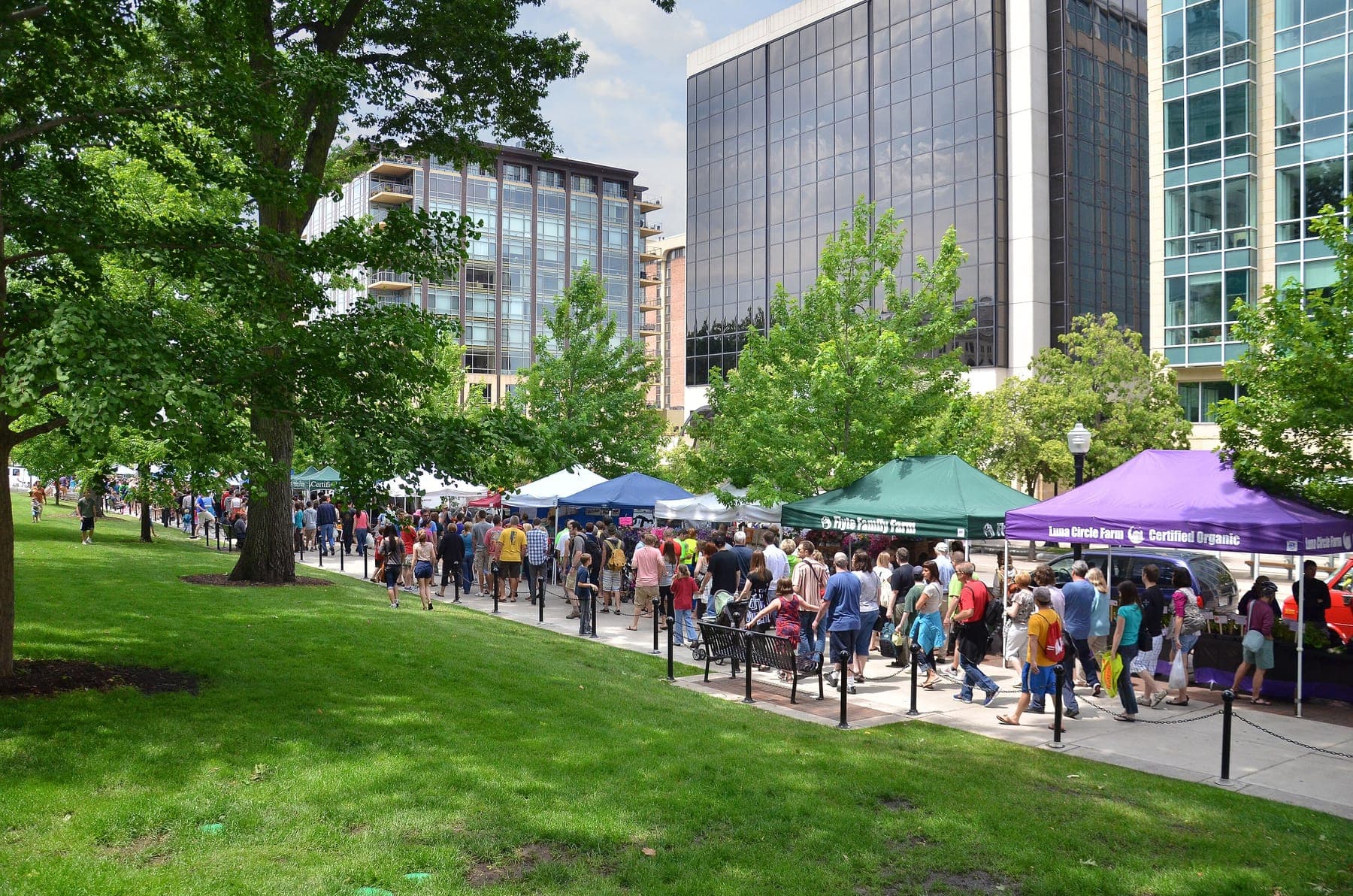
How to Find the Right Farmers Market for What You Sell
The USDA directory alone lists more than 7,000 farmers markets. Here is where to look, what a listing cannot tell you, and how two visits as a shopper and one conversation with the manager reveal whether a market actually needs what you make.
· 8 min read
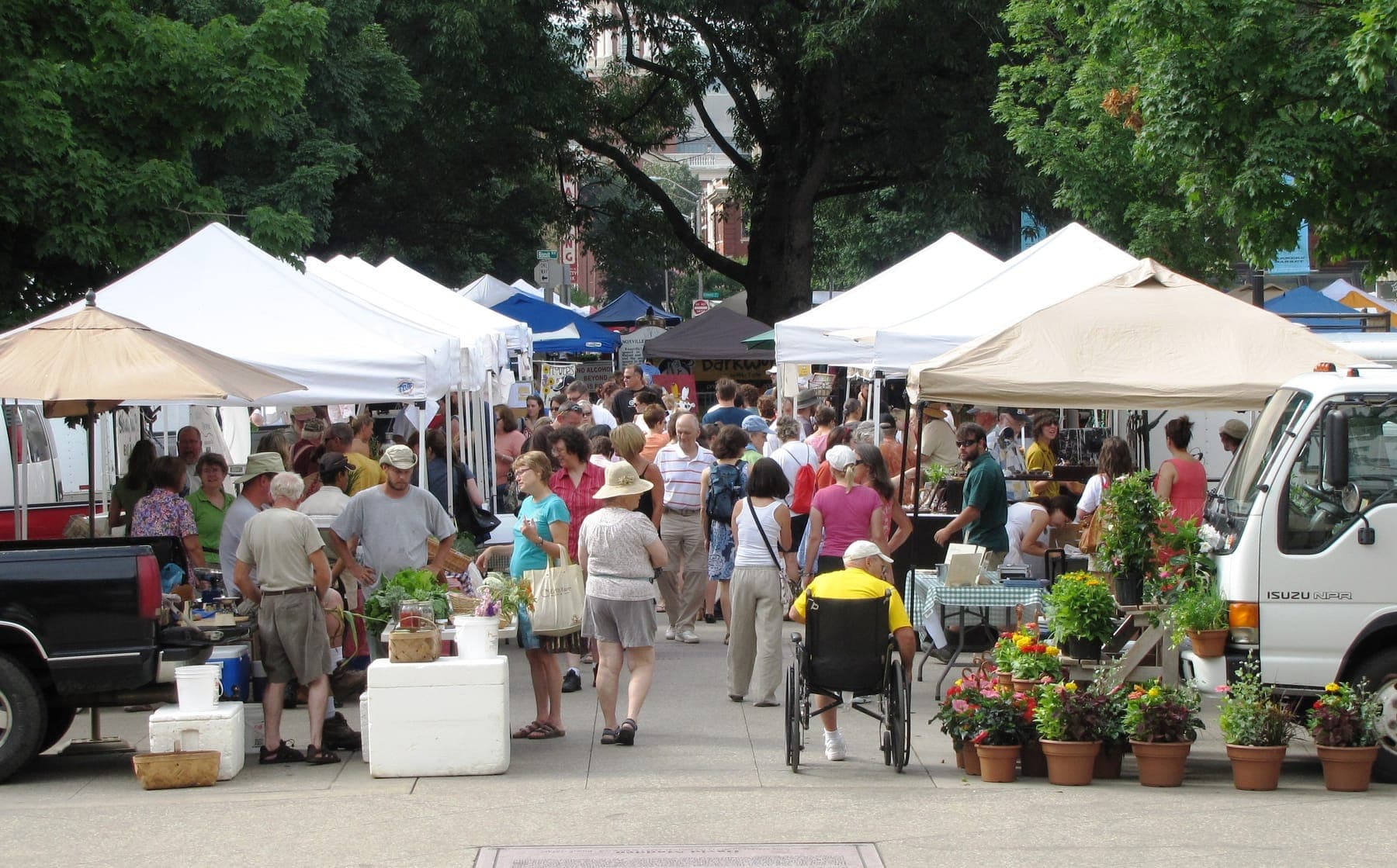
Wind, Rain, and Heat: Weather Preparation for Market Vendors
A pop-up canopy is a sail with a price tag. What markets require for weights and how to attach them, when to drop the tent, how to keep product dry and cold food cold, and how you hear when a market calls it off.
· 8 min read
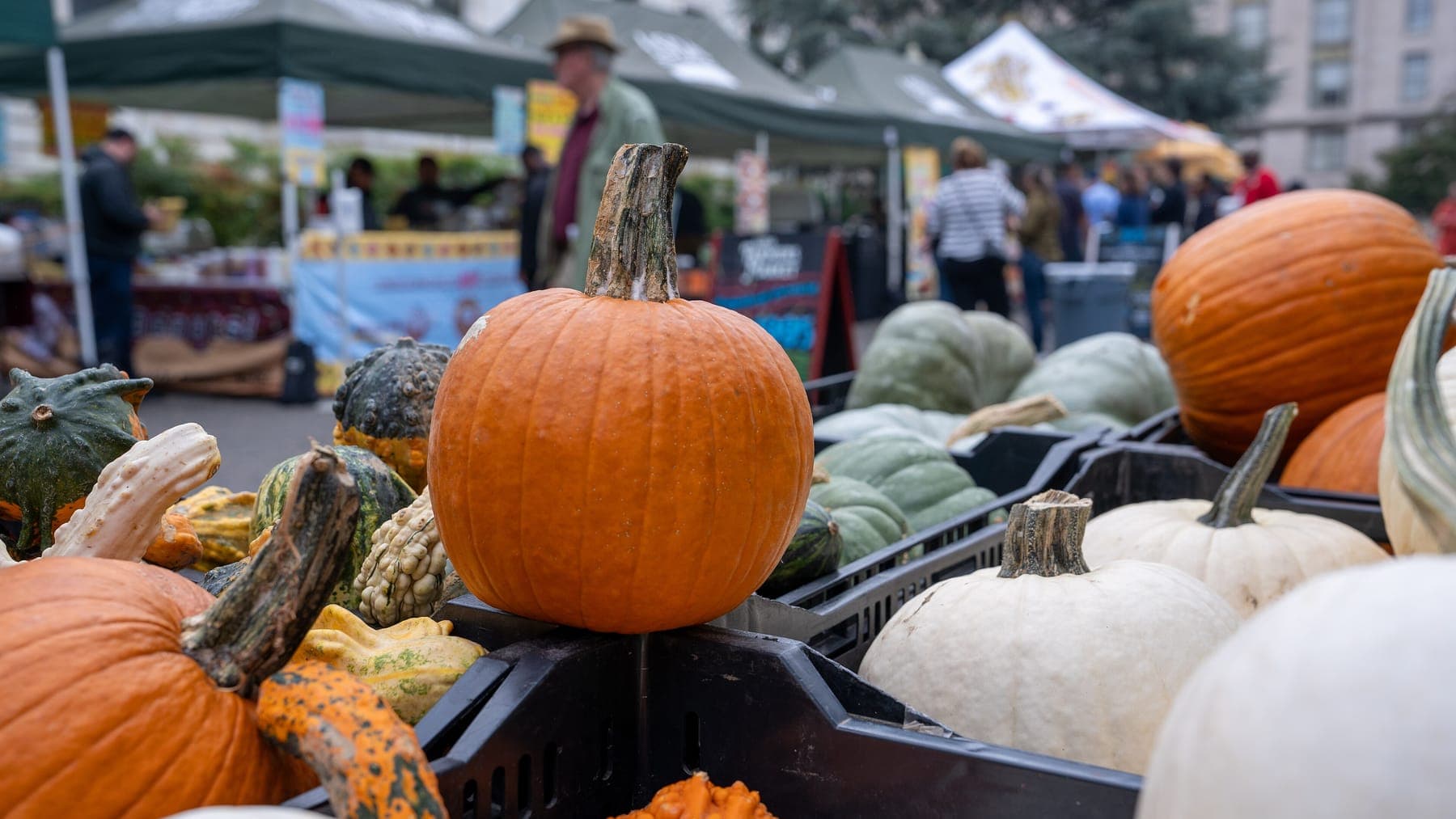
The Fall Market Checklist for Vendors
Sunset in Chicago falls from 7:17 p.m. in early September to 4:37 p.m. on the first Saturday of November. Some winter market deadlines passed in July, and your canopy weights have not moved since June. Work the list in deadline order.
· 6 min read
How to Become a Farmers Market Vendor: The Complete First-Season Guide
How markets are organized and why it changes what they ask of you, how to read a rulebook before you apply, what fees, insurance, and sales tax involve, what to bring, how the first morning runs, and how to judge the numbers after a month.
· 14 min read