
Farmers MarketsGuide
How to Find the Right Farmers Market for What You Sell
The USDA directory alone lists more than 7,000 farmers markets. Here is where to look, what a listing cannot tell you, and how two visits as a shopper and one conversation with the manager reveal whether a market actually needs what you make.
 United Farmers Market Editorial Team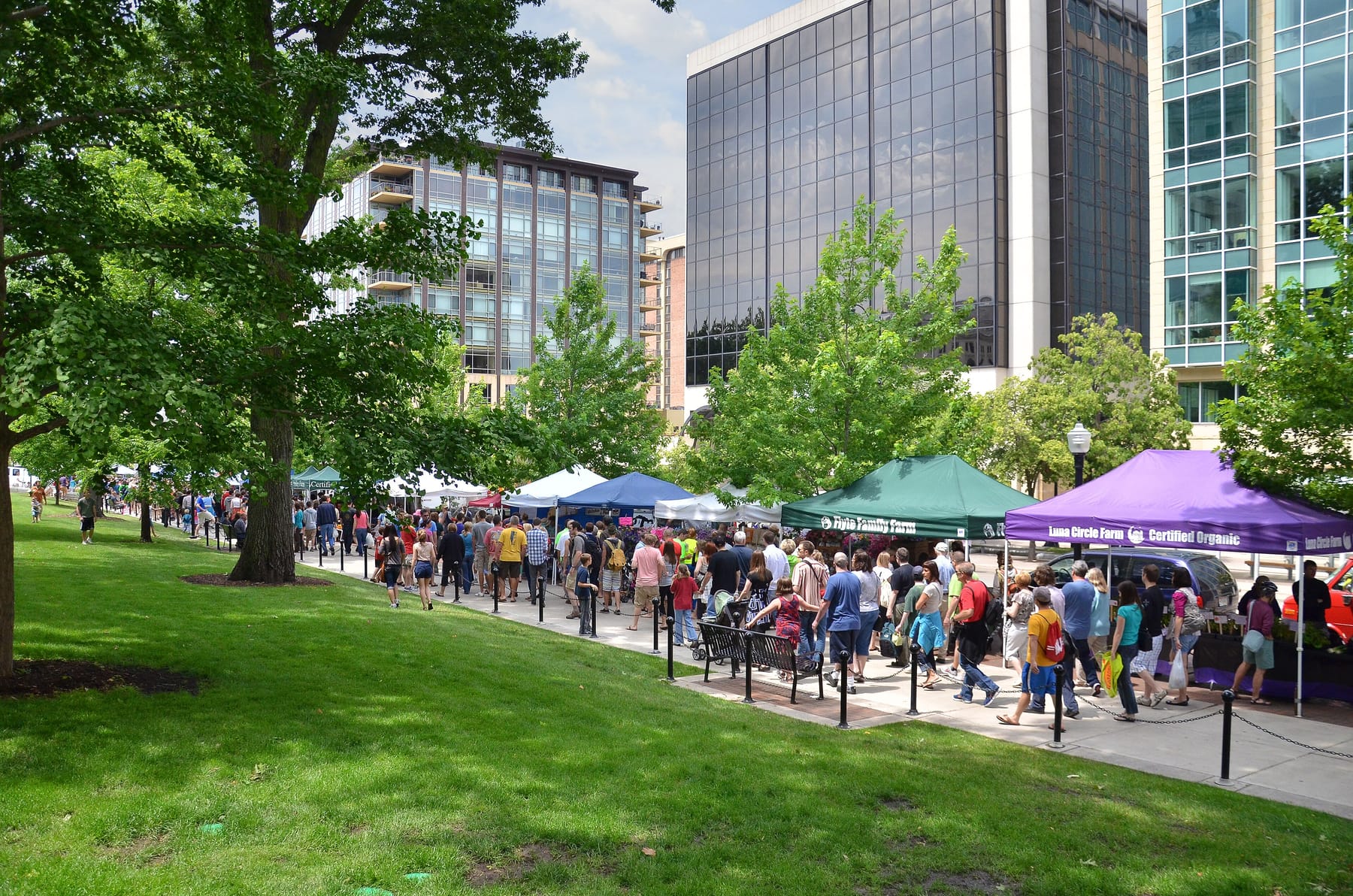
In this guide
The market closest to your house is not automatically your market. It might be a Wednesday lunch market where people want a sandwich, not a loaf to carry back to a desk. It might already have four bakers and a manager who has been turning down a fifth for two seasons. Or it might be exactly right, and full, with a waitlist that opened in January. The way to know is to list every market within driving range, then stand in a few of them before you fill out anything.
Where the markets are
No single list is complete, so use several and let them overlap.
The USDA directory. The Agricultural Marketing Service runs the National Farmers Market Directory, which lists markets with "two or more farm vendors selling agricultural products directly to customers at a common, recurrent physical location." On the day we checked, the Local Food Portal showed 7,148 farmers market listings. Each entry carries location, operating times, product categories, and payment types. Managers maintain their own listings, which is the directory's strength and its weakness: it is the widest net in the country, but an entry sits as its manager last left it, so a Tuesday market that folded last year may still be there. Treat every entry as a lead.
State associations. The Farmers Market Coalition keeps a list of state and regional market organizations with an entry for nearly every state (49 of 50 when we looked) and marks for which are FMC members or State Partners. Associations publish member directories. A Washington State University guide for new vendors sends readers to the state association's annual directory first.
Benefit-program lists. That guide also names a source most sellers miss. Washington's health department posts a list of markets authorized for the WIC Farmers Market Nutrition Program every year; check whether the agency that runs FMNP in your state does the same. Because the list is posted fresh each year, a market on it was active this season, which the national directory cannot promise about any entry.
City and parks departments. In Chicago, the Department of Cultural Affairs and Special Events operates the Daley Plaza and Division Street markets and asks independent markets, which the municipal code defines as at least 75 percent farmers, growers, or producers, to register with it. The same code lists cottage food items among what a producer may sell, and every vendor must show proof of $1 million in liability insurance after acceptance. Search your own city with "farmers market vendor application," and check the parks and recreation department, where municipal markets often live.
Extension, and other vendors. Your county extension office may not publish a market list, but the staff who teach cottage food workshops often know the market managers, and one call can tell you which markets are short on what you make. So can a vendor whose product is nothing like yours.
Local Cottage Foods. Our related marketplace runs a farmers market directory that searches within 25 miles of a ZIP code and filters for markets that report accepting SNAP, WIC, or cards. It imports the public USDA portal data and says so, with a note to verify hours with the market before visiting.
What a listing can't tell you
A listing gives you a place and a time. Fit is about who shops, who already sells, how many people come, what day it runs, what it costs, and what the rules say about someone like you. One number from the 2019 USDA survey of market managers frames all six. The average market had 25 vendors on a peak day, and 23 of them were returning vendors. You are applying for the two that turn over, or for a category the manager wants to add. Our analysis of that survey goes deeper.
Customer mix
Watch what leaves in the bags. A downtown weekday market fills them with lunch; a Saturday neighborhood market fills them with a week of vegetables and one treat; a resort-town market sells what fits in a carry-on. Each wants a different product at a different price. Shoppers who buy a $9 loaf without checking the sign are telling you what the market can bear; shoppers who ask the price of everything are telling you something too.
Vendor mix and category saturation
Count vendors by category on the way in. The survey's average market had three bread and baked-goods vendors against nine fruit and vegetable vendors. Managers build that mix on purpose; the Washington guide describes the job as creating a vendor and product mix "that attracts shoppers and enables every vendor to do well." The question is not whether the market has a baker but what the bakers sell. Three tables of sandwich loaves and nothing laminated or gluten-free is a gap, and the gap is your application.
Foot traffic
The survey's averages, 916 households and $14,547 in sales on a market day across roughly 8,000 markets, cover a range from a dozen shoppers in a church lot to thousands on a city square. Counting helps more than averages. Stand in one spot for ten minutes at 9 a.m. and count people passing, then do it again at noon. University of Missouri Extension's market FAQ lists "a visible and accessible location with adequate parking" among the marks of a successful market (a list it reprints from Project for Public Spaces), and you can judge all three from the sidewalk.
Day and time
Saturday was a day of operation for 52.4 percent of markets in the 2019 survey, followed by Thursday at 19.8 percent and Wednesday at 19.1. Saturday is where the crowds and the competition are; weekday markets tend to be smaller and shorter, and they are often the ones a seller with a day job can work. July was the peak month, with 71.9 percent of markets open, and only 21 percent ran year-round. A year-round market means winter income, and a winter product line.
Fees
Stall fees come as flat daily rates, seasonal rates, a percentage of sales, or a combination, and some markets add a membership fee. Neil Hamilton's study of market rules for the National Agricultural Law Center adds two questions: is a seasonal fee refundable if you leave, and what does a missed day cost? Whatever the structure, the fee is a cost per unit sold; our pricing guide shows how to build it into the price.
Producer-only rules and where cottage food fits
Hamilton's shorthand is the useful one: a producer-only market is one where "only farmers who raise the food may sell it." Some markets add carrying rules for a neighbor's product, and some inspect farms to enforce the standard. Cottage food complicates the picture because you made the product but did not grow the wheat, and markets resolve that differently. The Farmers Market Coalition's producer-only piece describes an Urbana, Illinois, market requiring that everything be "homegrown, handmade, and/or vendor-created from locally-owned operations within the state of Illinois," wording with room for a home baker. The Washington association's rules sort vendors into five types (farmer and farmer processor, food processor, prepared food, artisan or crafter, reseller), and a market can limit how many of each it admits; Chicago's 75 percent rule does the same job by arithmetic.
Find out which category the market puts you in, whether it is capped, and what paperwork it wants (cottage food registration where your state requires one, labels, insurance). Requirements change; confirm with the manager and your state agency rather than trusting last year's packet.
Two visits as a shopper
Go twice, on different weeks, as a customer. Buy something. The first visit is the opening hour, when regulars shop and lines form at the tents that have earned them. The second is the last hour, when you can see who sold out and who is packing full boxes back into the van. If one visit falls on a wet morning, better; a market that still draws in rain has a loyal base.
| What to watch | What it tells you |
|---|---|
| Lines at opening, and at which tents | Which categories the regulars came for |
| What is in bags at mid-morning | The weekly shop versus the stroll |
| Who is sold out at closing | Where demand exceeds supply |
| Who is packing full boxes | Categories already saturated |
| Card readers, SNAP tokens, cash | How you will get paid |
| Where the manager is | Whether the rules are enforced |
| Parking and loading | What your 6 a.m. setup will look like |
Our guide to shopping a market like a regular is written for the other side of the table, where you will be standing.
Ask the manager before you apply
Drawn from the Washington guide and Hamilton's study, in our words:
- How many vendors do you have, how many sell what I make, and does the market need it?
- How many shoppers come on a normal week, and do you have sales figures for vendors like me?
- How are stall fees calculated, is there a membership fee, and what happens to a seasonal fee if I have to leave?
- Is the market producer-only, how do you classify cottage food, and is that category capped?
- What proof of insurance, registration, and labeling do you need, and must the owner be at the booth?
- Do you accept SNAP, WIC, or FMNP, and how are tokens reimbursed?
- What are stall size, power, and loading like?
- When do applications open and close, and is there a waitlist?
The answers are also a read on the manager. Many run a market seasonally alongside another job, so a slow reply in February is normal. A vague answer about fees is not.
Decide, then apply anyway
Shortlist three: the best fit, the weekday market you can realistically staff, and a backup. Then apply early. The Washington guide is blunt about timing: markets typically open applications early in the year, "sometimes even in January or February," and if you wait until you are ready to sell, the market may be full. A good application in a category the manager wants keeps you near the top of the waitlist when a returning vendor drops out midseason. Our applications guide covers what managers look for on the form.
Give a market a season, then judge it honestly. University of Maryland Extension's Ginger Myers puts the rule simply: if a market is consistently costing you money, don't renew. Between those two points, the first-season vendor guide covers everything from the application to the tent weights.
Sources and further reading
- 1.Local Food Directories · USDA Agricultural Marketing Service · accessed Sep 2, 2026 · All directories on one platform; account creation lets market managers update their own listings
- 2.Local Food Directories: National Farmers Market Directory · USDA Agricultural Marketing Service · accessed Sep 2, 2026 · Definition of a listing (two or more farm vendors, recurrent physical location); fields include location, operating times, products, payment types; API available
- 3.USDA Local Food Directories portal · USDA Agricultural Marketing Service and Michigan State University · accessed Sep 2, 2026 · 7,148 farmers market listings on the access date; separate CSA, food hub, on-farm market, and agritourism directories
- 4.National Farmers Market Managers, 2019 Summary · USDA National Agricultural Statistics Service · accessed Sep 2, 2026 · 8,140 markets in 2019; Saturday 52.4 percent, Thursday 19.8, Wednesday 19.1; July 71.9 percent; 21 percent year-round; average 25 vendors on a peak day, 23 returning, 3 bread and baked goods, 9 fruit and vegetables; 916 households and $14,547 per market on an average day
- 5.State Associations · Farmers Market Coalition · accessed Sep 2, 2026 · List of known state and network market organizations; entries for 49 of 50 states on the access date, with asterisks marking FMC members and State Partners
- 6.Defining and Defending a Producer-Only Market · Farmers Market Coalition · accessed Sep 2, 2026 · Urbana, Illinois, 'homegrown, handmade, and/or vendor-created' rule; Fondy (Milwaukee) receipts and farm visits as enforcement
- 7.Selling at Farmers Markets in Washington State (C. Donovan and K. Kinney, October 2014) · Washington State University CSANR, hosted by the Farmers Market Coalition · accessed Sep 2, 2026 · Where to find markets (WSFMA directory, DOH FMNP authorized list); product-mix quote; questions for the manager; fee structures; applications open January or February; seasonal managers; WSFMA Roots Guidelines five vendor types
- 8.Farmers' Markets: Rules, Regulations and Opportunities (Neil D. Hamilton, June 2002) · National Agricultural Law Center, PDF hosted by the Connecticut Department of Agriculture · accessed Sep 2, 2026 · Producer-only definition, carrying rules, farm inspections, and the twenty questions a vendor should ask before signing a market agreement (seasonal fee refund, missed day)
- 9.Markets and Vendors · City of Chicago · accessed Sep 2, 2026 · DCASE operates Daley Plaza and Division Street markets; independent market defined as at least 75 percent farmers, growers, or producers; cottage food items listed as permitted; $1 million liability insurance
- 10.Starting and Operating a Farmers Market: Frequently Asked Questions (G6223) · University of Missouri Extension · accessed Sep 2, 2026 · Producer-only versus resale tradeoff; 'visible and accessible location with adequate parking' in the ten-characteristics list reprinted from Project for Public Spaces
- 11.Farmers Market Directory · Local Cottage Foods · accessed Sep 2, 2026 · ZIP search, 25 miles by default; SNAP, WIC, and card filters; listings imported from the public USDA Local Food Portal with a verify-before-visiting notice
- 12.To Be or Not to Be a Farmers Market Vendor: Is That Your Question? (Ginger S. Myers, June 2021) · University of Maryland Extension · accessed Sep 2, 2026 · Drop a market that consistently costs money; treat market presence as a longer-term investment
Weekly newsletter
Market Dispatch
One email a week with the newest guide, what's in season, and a few things worth knowing before market day.
Email subscriptions are not open yet. Read every new story through our free RSS feed.
Follow Market Dispatch via RSS →Keep reading
How to Become a Farmers Market Vendor: The Complete First-Season Guide
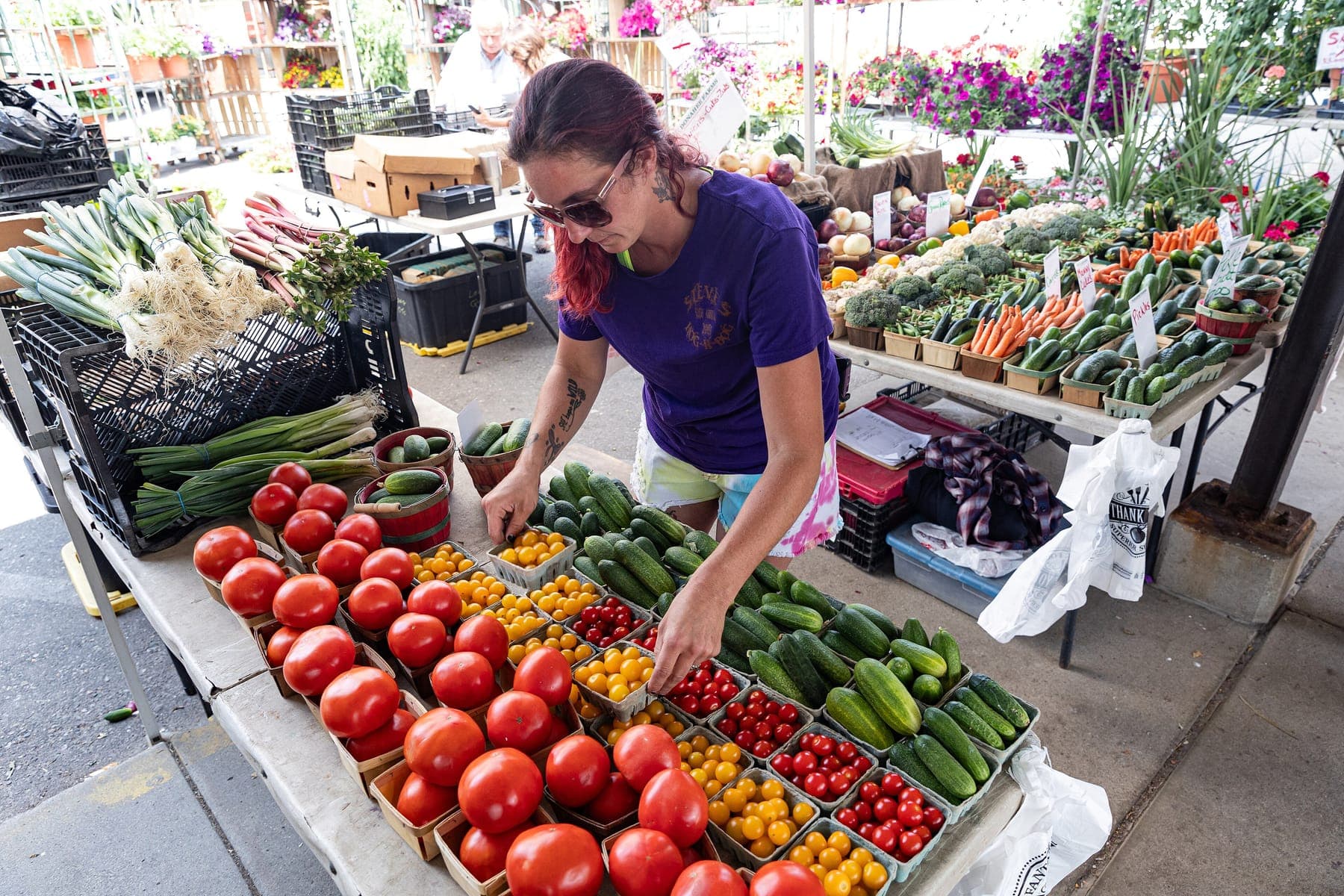
How markets are organized and why it changes what they ask of you, how to read a rulebook before you apply, what fees, insurance, and sales tax involve, what to bring, how the first morning runs, and how to judge the numbers after a month.
· 14 min read
How to Shop a Farmers Market Like a Regular
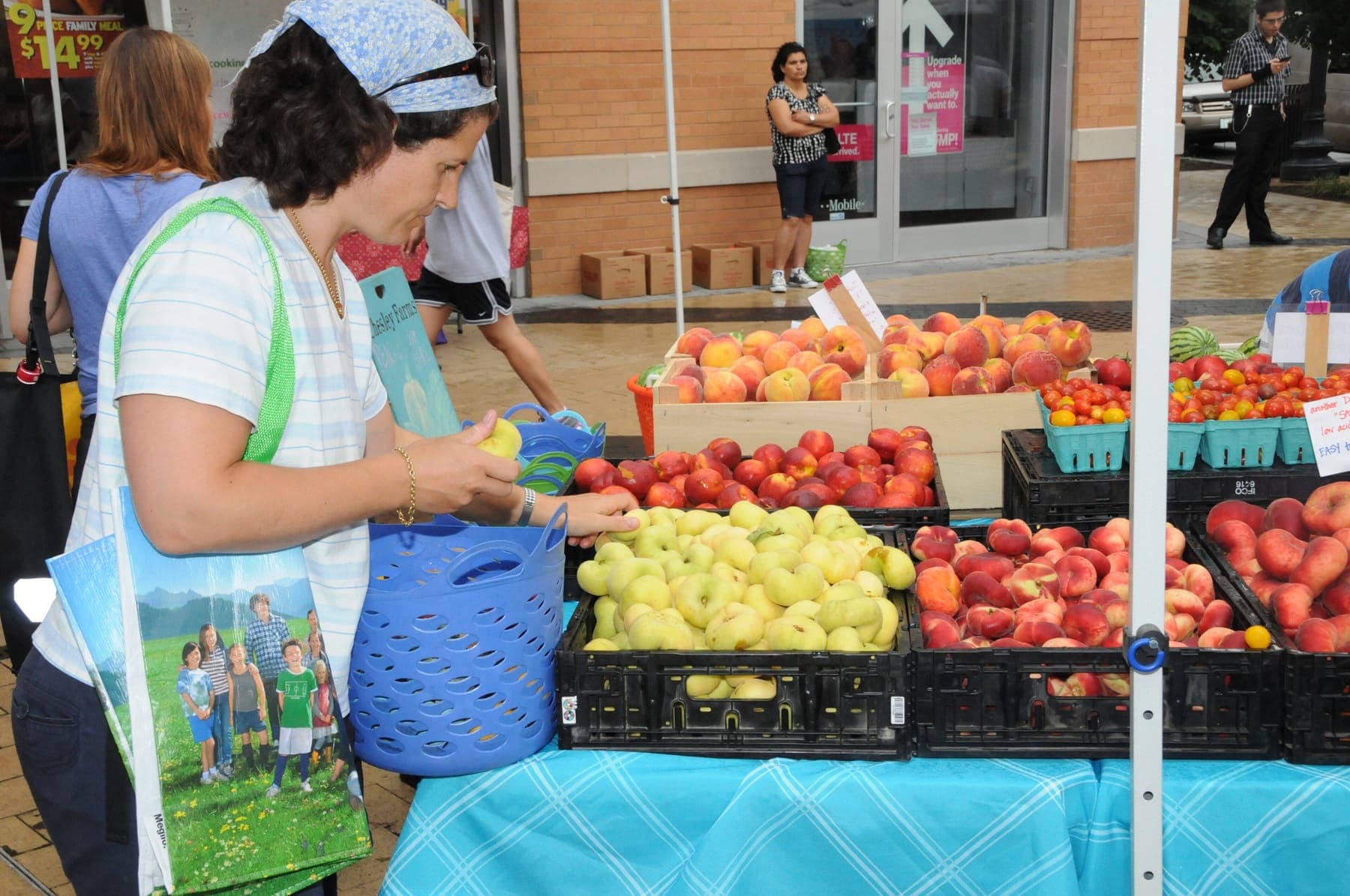
Regulars don't spend more; they know the rhythm. When to arrive, what to carry, what to ask the grower, how to read a producer-only sign, where SNAP is handled, and the manners that keep you welcome at the table.
· 10 min read

Analysis: What USDA Data Actually Says About Farmers Markets Today
Four USDA datasets count farmers markets in four different ways, and none of them shows the boom still running. Here are the numbers as published, what each one measures, and what they suggest for a vendor deciding where to sell.
· 9 min read
Accepting Payments at the Market: Cash, Cards, Apps, and SNAP, Explained for Vendors
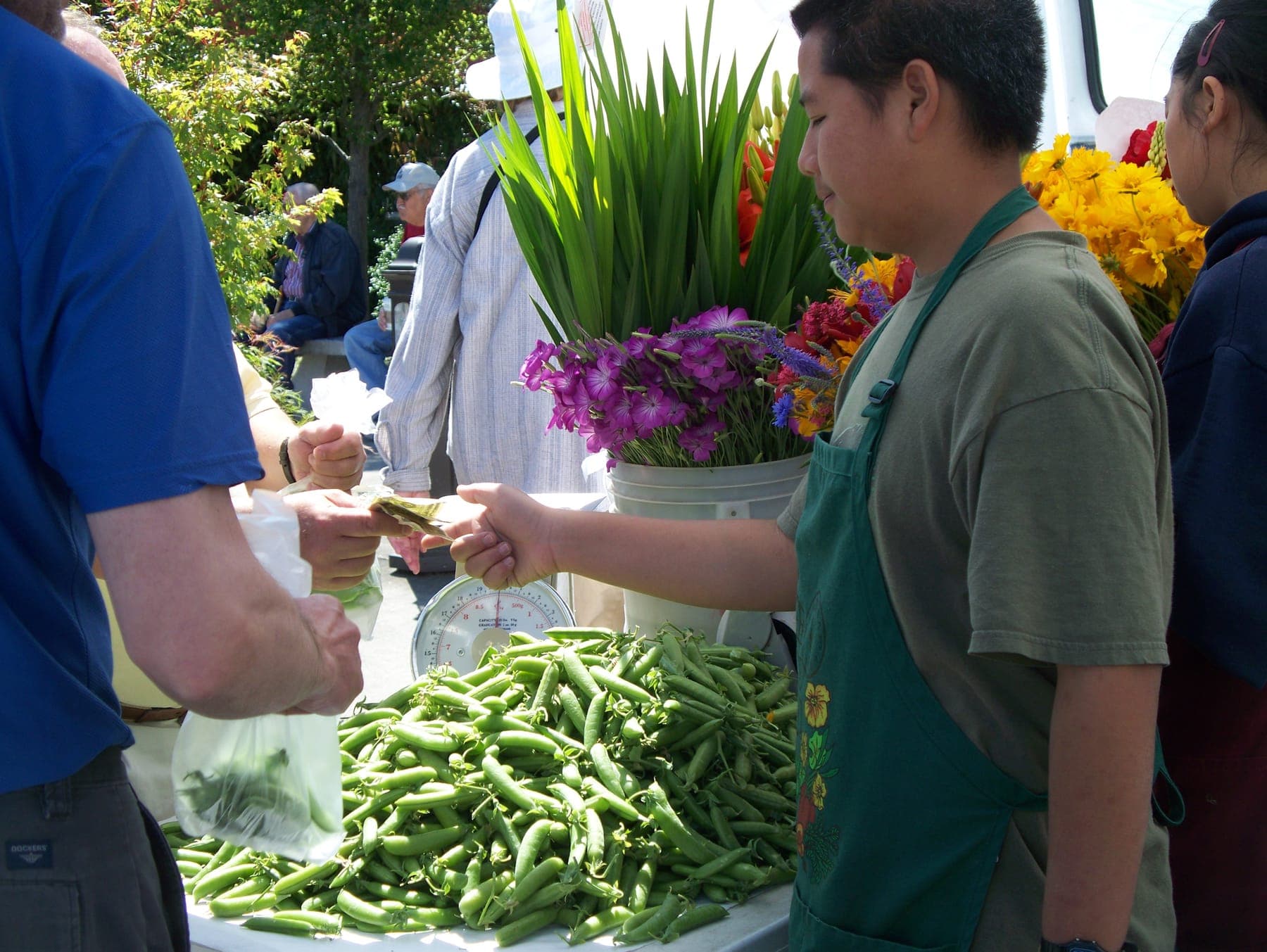
Cash, card readers, payment apps, sales tax, and SNAP tokens each move money into your business by a different route. Here is how each one works, what it cost when we checked in September 2026, and what to set up before opening day.
· 10 min read