
Local FoodGuide
An Apple Buyer's Guide: Varieties, Uses, and How to Choose at the Market
Twelve bins, twelve names, and no stickers to help. Here is how to choose apples by what you plan to do with them, why the market's fruit looks different from the grocery store's, and what to ask the person who grew it.
 United Farmers Market Editorial Team
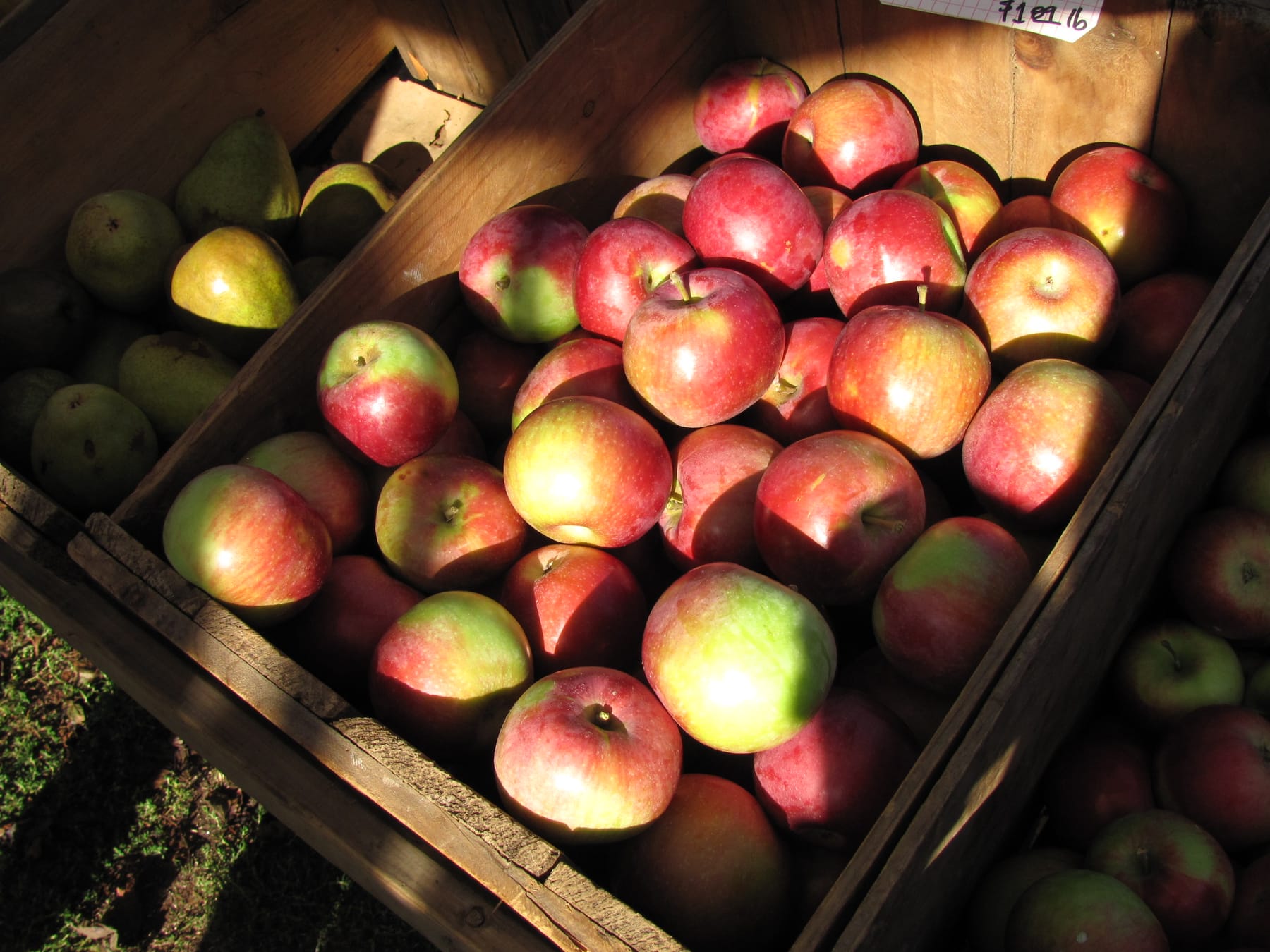
Regional note. Ripening dates here follow northern-tier harvests. Southern and high-elevation orchards run on their own calendar, and a variety that ripens in late September in Minnesota may come in weeks earlier or later where you shop.
In this guide
By the second week of October the apple table stops being simple. One grower brings a handful of varieties, the next brings more than you can carry, half of them with names that never appear on a grocery sticker. The useful question is not which apple is best. It is what the apple has to do by Thursday.
Start with the job, not the name
University of Maine Cooperative Extension states the working rule plainly: "tart apples are best enjoyed for cooking and sweeter apples are best enjoyed for eating raw." That gets you most of the way; the exceptions are the interesting part.
Four jobs cover almost everything. Eating out of hand wants crispness and juice, and it is the one job where a mealy apple is fatal. Baking in slices, meaning pie and crisp, wants firm flesh with enough acid to survive sugar and heat. Sauce and butter want the opposite, apples that break down willingly. Cider wants a blend, because no single apple does it well.
A reference table for the market table
The taste and use columns below follow Ohio State University Extension's variety chart in Selecting, Storing, and Serving Ohio Apples, with additions from the National Center for Home Food Preservation, Penn State Extension, and the University of Minnesota.
| Variety | Taste | Best at | Worth knowing |
|---|---|---|---|
| Cortland | Tart, spicy | Raw, salads, pies, baking, sauce | Marked for all five uses on the Ohio State chart |
| Jonagold | Firm | Raw, salads, pies, baking, sauce | The other all-five variety |
| Golden Delicious | Sweet, firm | Raw, pies, baking | NCHFP also lists it for sauce, butter, and freezing |
| Granny Smith | Tart, hard | Pies, baking | Penn State's tart choice for a sauce blend |
| Law Rome | Sweet, firm | Pies, baking, sauce | NCHFP lists Rome Beauty for sauce and butter |
| Crispin | Spicy, firm | Pies, baking | Firm enough that slices keep their edges |
| McIntosh | Sweet, tart | Raw, sauce | Soft-fleshed; on the NCHFP sauce and butter list |
| Empire | Tart | Raw, salads, baking | Tart enough to bake, good enough to eat raw |
| Honeycrisp | Sweet, crisp | Raw, salads | Minnesota, 1991; stores 7 or more months; slow to brown |
| Gala | Sweet, firm | Raw, salads, baking | Penn State's sweet base for a sauce blend |
| Fuji | Sweet, hard | Raw, salads, baking | The other sweet base Penn State names, and harder |
| Winesap | Tart | Raw, salads, baking | Sharp flavor; one of the color-graded varieties in the USDA table |
| Haralson | Firm, complex tart | Pies | Minnesota calls it "especially good pie apple"; stores 4 to 5 months |
| Red Delicious | Sweet, rich | Raw, salads | NCHFP: "do not freeze or cook well" |
Sauce, pie, and the apples that fail at both
The two cooked jobs pull in opposite directions, and the mistake most people make is buying one bag for both.
For sauce and apple butter, the National Center for Home Food Preservation names Golden Delicious, Rome Beauty, Stayman, Jonathan, Gravenstein, and McIntosh, and says flatly that Red Delicious "do not freeze or cook well." For a sauce with some spine, Penn State Extension suggests 1 to 2 pounds of a tart variety such as Granny Smith or Pink Lady for every 3 pounds of something sweeter like Fuji or Gala. Buy the blend at one table and you can ask the grower to weigh the two piles separately.
For pie, the quantity question matters more than the variety question. Ohio State puts a pound at about three medium apples, and two pounds, six to eight apples, in a 9-inch pie. If a grower sells by the peck (10 1/2 pounds) or the bushel (40 pounds), that peck is roughly five pies, and a bushel is 16 to 19 quarts of sauce. Apples that get ahead of you can become slow-cooker apple butter, which is the traditional answer to buying too many.
Cider is its own category
Most cider at a fall market is pressed from dessert apples, the same eating varieties sitting in the bins. University of Wisconsin–Madison Extension points out what that costs: dessert fruit lacks the tannins and other phenols that give cider its flavor and complexity. Real cider fruit sorts into four classes by chemistry: sharps (acid above 0.45 percent, tannin below 0.2), bittersharps (both high), bittersweets (low acid, high tannin), and sweets (both low). Sugar becomes alcohol, acid gives brightness, tannin gives body. One variety rarely carries all three, so cider gets blended, which is why a cidermaker may be buying the astringent apples nobody wants to eat.
Why market apples do not look like supermarket apples
Three things separate the two piles, and none of them is about the grower trying harder.
Grades reward color and a clean skin. USDA's grade standards for apples set a minimum percentage of good red color for twelve listed varieties: a Red Delicious needs 66 percent to be U.S. Extra Fancy, 40 percent for U.S. Fancy, and 25 percent for U.S. No. 1. Russeting, the tan netting common on older varieties, is scored against fruit on a sliding scale. Smooth net-like russeting counts as injury past 10 percent of the surface, which disqualifies U.S. Extra Fancy; as damage past 15 percent, which disqualifies U.S. Fancy; and U.S. No. 1 caps it at 25 percent. A grower selling to you directly is usually not packing to those lines, so the crate holds fruit that is greener, smaller, blotchier, and occasionally hail-marked.
Supermarket apples are often storage apples. Controlled-atmosphere rooms drop oxygen from 21 percent to between 1 and 3 percent and raise carbon dioxide to 0.5 to 2.5 percent depending on the cultivar, which slows respiration enough to hold fruit for months. University of Maryland Extension names the trade-off: low oxygen slows softening and maintains color and nutritional content, but CA storage leads to a "gradual decrease in the fruits' flavor profile, namely its aroma," once fruit is held six months or more. A crisp February apple that smells like almost nothing is the honest result of a good storage program.
The commercial variety list is short. A USDA-ARS-led review of apple genetic resources counted more than 7,500 named apple varieties worldwide while reporting that 15 varieties made up 90 percent of U.S. production in 2008, with Red Delicious alone at 24 percent. Those production figures are more than fifteen years old and the mix has moved since, but the underlying gap has not closed: the same review counted 5,004 unique field accessions in the USDA collection at Geneva, New York, very few of which ever reach a produce aisle.
A fourth difference is timing. Washington State University's guidance on apple harvest describes a picking window of roughly 7 to 11 days, during which starch converts to sugar and acidity falls. Fruit picked ahead of it comes in too firm and low in sugar, with poor flavor to match, and fruit headed for a long truck ride gets picked at the early end on purpose.
The names on the bins, old and new
Most of the varieties that define the modern supermarket arrived from somewhere else within living memory. The same USDA-ARS review dates Fuji to 1962 in Japan, Gala to 1965 in New Zealand, Cripps Pink (sold as Pink Lady) to 1985 in Australia, and Honeycrisp to 1991 at the University of Minnesota. Newer university releases follow the same path: Washington State's Cosmic Crisp, a cross of Enterprise and Honeycrisp, is slow to brown and holds its texture in storage for more than a year.
The market table is where the rest of the list survives. Minnesota's own variety catalog is a good map of what shows up at Upper Midwest stands: Zestar! (1996) ripening in late August with a sweet-tart crunch and only 6 to 8 weeks of storage; Sweet Sixteen (1977), described as sugar cane or spicy cherry candy; Keepsake (1978), very hard and crisp, holding six months; Haralson (1922), tart and firm, the regional pie apple; Frostbite (2008), intensely sweet and called excellent for cider.
Older varieties come with older descriptions. Washington State Magazine's guide to heirloom apples collects the historic notes on Baldwin (firm and sprightly, a keeper from November into March or April), Grimes Golden (rich and aromatic, deep yellow with russet dots), Esopus Spitzenburg (a choice dessert fruit and also one of the best apples known for cooking), and Northern Spy (very juicy and tender, and it holds its crispness in the bowl). If a grower has any of these, buy two and eat one on the walk back to the car.
Getting them home and keeping them
Apples are among the best keepers at a fall market, which is why our fall produce guide still lists them in January and February, and why they show up in the late-winter storage crop guide mostly as a hazard: their ethylene turns stored carrots bitter and sets potatoes sprouting.
Cold is the whole trick. University of Nebraska–Lincoln Extension stores apples at 30 to 40°F and about 90 percent humidity for 3 to 8 months, and notes that because of their sugar content apples can sit at 30 to 32°F without freezing. Its most useful line for a home kitchen: apples "ripen about four times as fast at 50°F as at 32°F." A bowl on the counter is a decision to eat them this week.
Practical version for a normal refrigerator:
- Keep them in the crisper in a perforated plastic bag, which is Ohio State's method, and expect 4 to 6 weeks rather than months.
- Sort before you store. Nebraska's bulletin explains the old proverb: a damaged apple gives off ethylene faster and hurries along everything in the container with it.
- Keep them away from the greens and the vegetables. Nebraska notes that apples pass their odor and flavor to more delicately flavored produce, and their ethylene ripens whatever sits next to them, so give them their own drawer. Our guide to storing market produce has the ethylene table.
- Wash just before eating, rinsing in cool water. Ohio State says no soap, detergent, or bleach, because the fruit absorbs them.
Questions worth asking the grower
Six questions, none of them awkward to ask across a table:
- When were these picked? Fresh-picked and out-of-storage are both fine answers; they just point to different apples.
- Which one do you use for pie? Most growers cook their own fruit and have a firm opinion about which variety holds up.
- What will still be good in six weeks? Nebraska's bulletin notes that late-maturing varieties are the ones suited to storage. Early ones are not: Zestar! holds 6 to 8 weeks.
- Is the cider pasteurized?
- Do you sell seconds or drops? Bruised and undersized fruit is cheap, and sauce and butter do not care what the apple looked like.
- Can I taste it? A single bite settles the sweet-versus-tart question faster than any chart.
Buy three varieties in small amounts, note which one disappeared first, and come back for a peck of that one. Our market shopping guide covers the rest of the table, starting with the pears sitting next to the apples, which need an entirely different plan.
Sources and further reading
- 1.Selecting, Storing, and Serving Ohio Apples (HYG-5507) · Ohio State University Extension · accessed Sep 2, 2026 · Variety table with taste and culinary use (raw, salads, pies, baking, sauces); yields (1 lb = 3 medium apples, 2 lb = 9-inch pie, 1 peck = 10 1/2 lb, 1 bushel = 40 lb); refrigerator storage 4 to 6 weeks in a perforated bag; ideal storage near 32°F
- 2.Storing Fresh Fruits and Vegetables (G1264) · University of Nebraska–Lincoln Extension · accessed Sep 2, 2026 · Apples 30–40°F at 90 percent humidity for 3 to 8 months; home storage up to six months; 'apples ripen about four times as fast at 50°F as at 32°F'; ethylene and odor transfer; sort to avoid bruising
- 3.All University of Minnesota Apple Varieties · University of Minnesota, Minnesota Hardy · accessed Sep 2, 2026 · Release years and descriptions for Haralson (1922), Sweet Sixteen (1977), Keepsake (1978), Honeycrisp (1991), Zestar! (1996), SnowSweet (2006), Frostbite (2008); storage life and ripening windows
- 4.The vulnerability of US apple (Malus) genetic resources · Volk et al., Genetic Resources and Crop Evolution (hosted by USDA-ARS National Plant Germplasm System) · accessed Sep 2, 2026 · More than 7,500 named apple varieties; 15 varieties accounted for 90 percent of US production in 2008, Red Delicious alone 24 percent; Gala 1965 New Zealand, Fuji 1962 Japan, Cripps Pink 1985 Australia, Honeycrisp 1991 Minnesota; Geneva NY collection of 5,004 unique field accessions
- 5.7 CFR Part 51, Subpart B: United States Standards for Grades of Apples · Electronic Code of Federal Regulations (USDA Agricultural Marketing Service) · accessed Sep 2, 2026 · Grade definitions for U.S. Extra Fancy, U.S. Fancy, U.S. No. 1 and U.S. Utility; smooth net-like russeting counted as injury above 10 percent and damage above 15 percent, capped at 25 percent for U.S. No. 1; section 51.305 table 1 requiring 66, 40 and 25 percent red color for Red Delicious across the three grades, with twelve varieties listed
- 6.Controlled Atmosphere Storage of Apples · University of Maryland Extension · accessed Sep 2, 2026 · Oxygen reduced from 21 percent to 1–3 percent, CO2 raised to 0.5–2.5 percent depending on cultivar; used for storage of four months or more; low oxygen reduces the softening rate and maintains color and nutritional content; gradual decrease in flavor profile, namely aroma, after six months or more
- 7.Apple Harvest · Washington State University Tree Fruit · accessed Sep 2, 2026 · Starch converts to sugar and acidity falls as fruit matures; starch-iodine scale; harvest window of roughly 7 to 11 days; fruit picked too early is too firm, low in soluble solids and poor in flavor
- 8.Cider Apples · University of Wisconsin–Madison Division of Extension · accessed Sep 2, 2026 · Sharp, bittersharp, bittersweet and sweet classes defined by acid above or below 0.45 percent and tannin above or below 0.2 percent; blending because one variety rarely balances
- 9.What You Need to Know About Juice Safety · U.S. Food and Drug Administration · accessed Sep 2, 2026 · Required warning statement on untreated packaged juice; no warning required for juice sold by the glass at orchards, farmers markets and roadside stands; at-risk groups
- 10.Apples are Peaking! Choose the Best Preservation Method · National Center for Home Food Preservation · accessed Sep 2, 2026 · Varieties good for sauce and butter (Golden Delicious, Rome Beauty, Stayman, Jonathan, Gravenstein, McIntosh) and for freezing; 'Red Delicious apples are best eaten fresh. They do not freeze or cook well.'
- 11.Preserving Fall Apples · Penn State Extension · accessed Sep 2, 2026 · Applesauce blend of 1 to 2 pounds tart apples (Granny Smith, Pink Lady) per 3 pounds sweeter apples (Fuji, Gala)
- 12.Apple Season and Baking · University of Maine Cooperative Extension · accessed Sep 2, 2026 · 'Tart apples are best enjoyed for cooking and sweeter apples are best enjoyed for eating raw'; Maine varieties including Zestar, McIntosh, Cortland, Ginger Gold
- 13.Heirloom apples in Washington state · Washington State Magazine, Washington State University · accessed Sep 2, 2026 · Historic descriptions and seasons for Baldwin, Grimes Golden, Esopus Spitzenburg, Jonathan, Palouse and Northern Spy
- 14.Cosmic Crisp brand WA 38 · Washington State University Pome Fruit Breeding Program · accessed Sep 2, 2026 · Enterprise by Honeycrisp cross; firm, sweet, tangy and juicy; slow to brown; holds texture and flavor in storage for more than a year
Weekly newsletter
Market Dispatch
One email a week with the newest guide, what's in season, and a few things worth knowing before market day.
Email subscriptions are not open yet. Read every new story through our free RSS feed.
Follow Market Dispatch via RSS →Keep reading
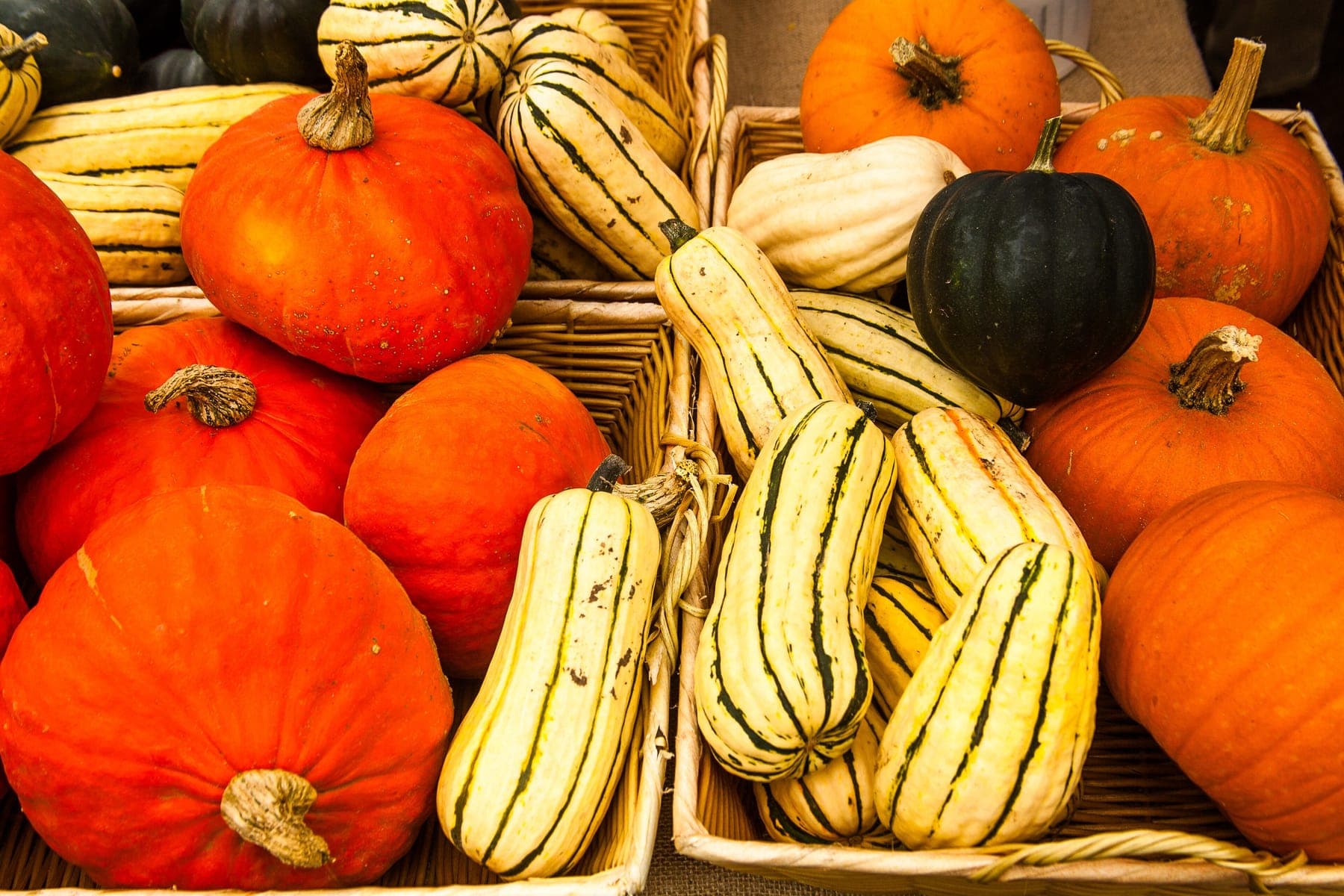
What's in Season in Fall: A Region-by-Region Guide to Autumn Produce
Fall at the market is four different seasons depending on where you stand. Here is what arrives in September, October, and November across the Northeast and Midwest, the South, the Pacific and Mountain West, and the Southwest, with buying and storage notes for the crops that define it.
· 11 min read
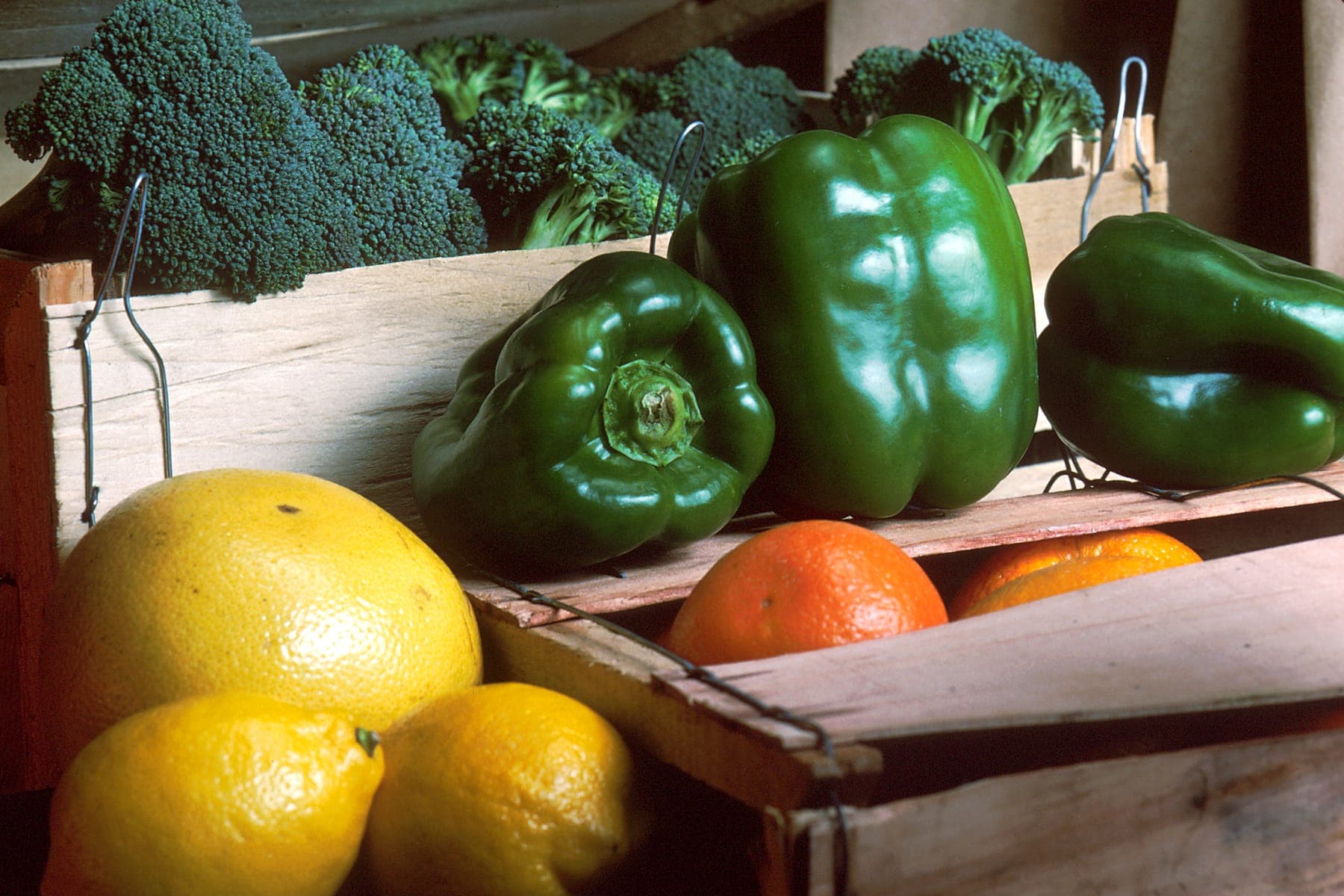
How to Store Farmers Market Produce So It Actually Lasts
Market produce is usually fresher than what the supermarket sells, and it still turns to slime in the wrong drawer. This reference, built from university extension storage bulletins and FDA handling advice, says where each item lives, whether to wash it first, and how many days to plan on.
· 12 min read
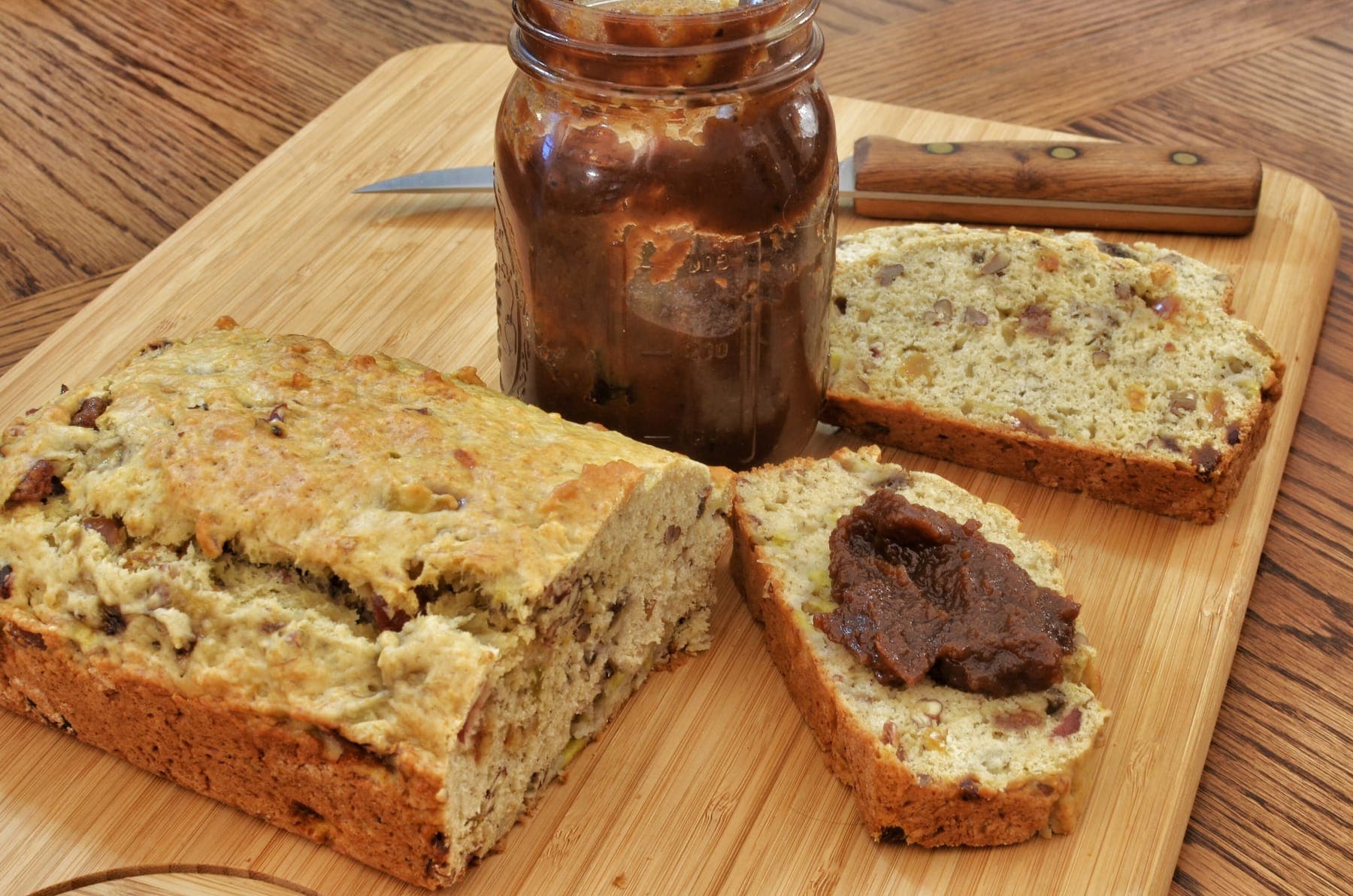
Slow-Cooker Apple Butter: A Low-Effort Recipe for a Market Haul of Apples
Five pounds of market apples, a slow cooker, and an overnight simmer. This version skips the canner on purpose, so the jars go in the refrigerator or freezer, and the notes explain why that is not a step you can add back later.
· 5 min read
How to Shop a Farmers Market Like a Regular
Regulars don't spend more; they know the rhythm. When to arrive, what to carry, what to ask the grower, how to read a producer-only sign, where SNAP is handled, and the manners that keep you welcome at the table.
· 10 min read