
State guidePennsylvania
Pennsylvania Cottage Food Law: What You Can Sell, How to Register, and What the Rules Require (2026 Guide)
Pennsylvania has no cottage food law. Home producers register their kitchen with the Department of Agriculture as a Limited Food Establishment, pass an inspection, pay $35 a year, and can then sell shelf-stable foods retail, wholesale, and online with no sales cap. Here is how the program actually works.
 United Farmers Market Editorial Team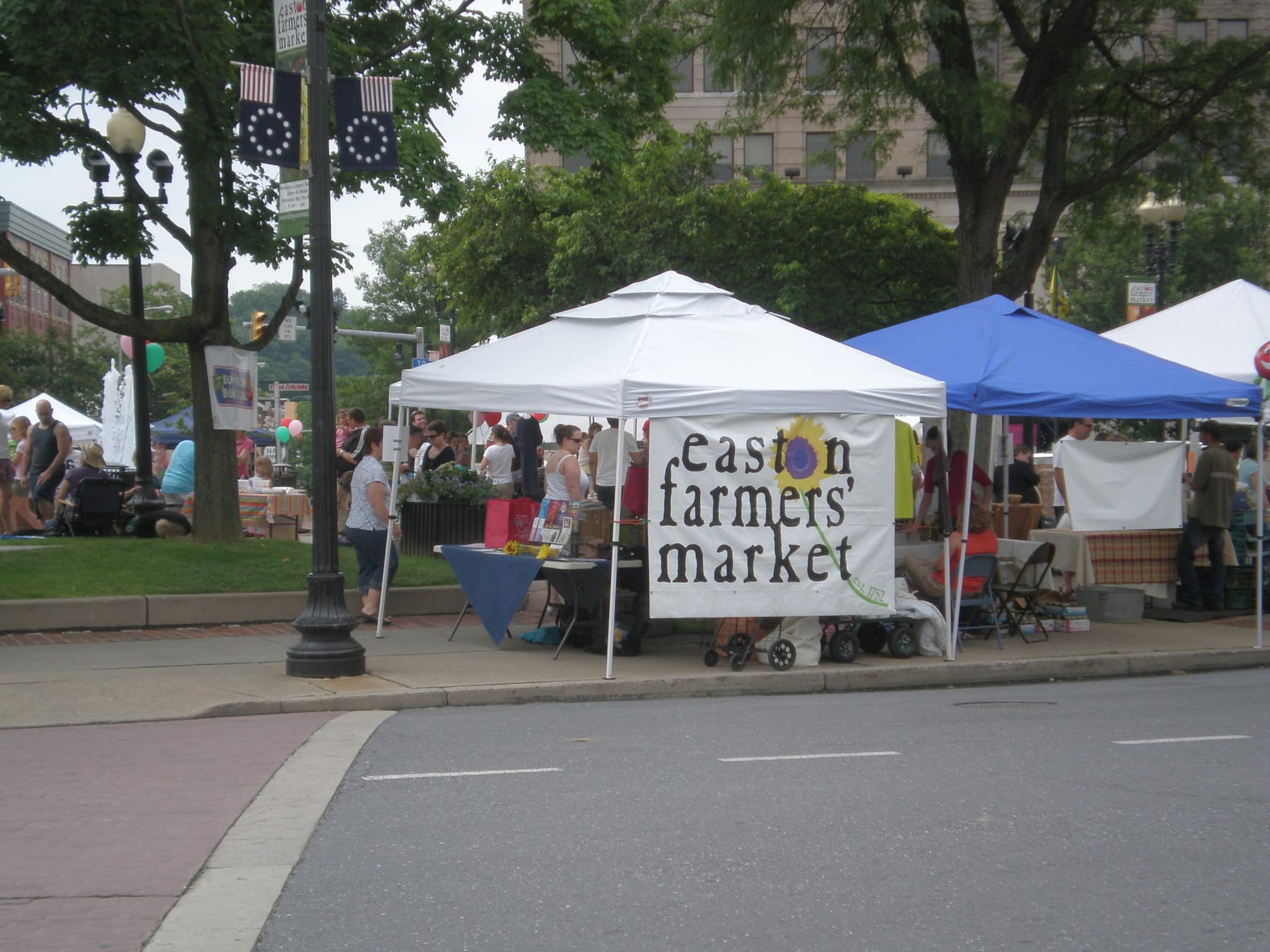
Pennsylvania at a glance
Pennsylvania Food Safety Act, administered through the Department of Agriculture's Limited Food Establishment registration program · 3 Pa.C.S. Secs. 5721-5737 (Food Safety Act), especially Secs. 5722, 5729, and 5734; 3 Pa.C.S. Secs. 5701-5714 (Retail Food Facility Safety Act); 7 Pa. Code Sec. 46.212 · administered by Pennsylvania Department of Agriculture, Bureau of Food Safety and Laboratory Services
- Registration or permit
- Required. You submit a plan-review application (business plan, labels, water proof, lab results where needed) to PDA at least 60 days before opening, pass an opening inspection of your kitchen, and pay a $35 registration fee collected at the inspection. Renewal is $35 a year. Registration is not available in Philadelphia County.
- Sales limit
- None. Neither the Food Safety Act nor PDA's application packet sets a dollar cap on Limited Food Establishment sales. Federal FSMA thresholds (under $1 million in annual sales for a 'very small business') affect which federal rules apply, not whether you can sell.
- What you can sell
- Non-TCS (shelf-stable) foods only: most baked goods, jams and jellies, candy, dry mixes and spices, dehydrated foods, honey and maple products, condiments, acidic beverages such as kombucha, and canned acid, acidified, or fermented foods with a pH of 4.6 or below. No cheesecakes, cream or custard pies, cut produce, garlic-in-oil, low-acid canned foods, or anything that needs refrigeration.
- Where and how you can sell
- Retail from the production site, wholesale in and out of state, and internet sales are all on the application form. Selling at a farmers market, roadside stand, or event usually requires a separate retail food facility license for the stand (fee-exempt for prepackaged shelf-stable foods). Interstate sales bring in FDA registration and labeling rules.
- Labeling
- Product name, ingredients in descending order by weight (with sub-ingredients), allergen declaration, name and address of the manufacturer or distributor, and net weight or count in the bottom third of the principal panel in at least 8-point type. Pennsylvania requires no 'made in a home kitchen' statement. Baked goods sold by the baker directly to the consumer are exempt from labeling if ingredient information is available on request.
- Training
- No food safety course or certification is required for a Limited Food Establishment, but PDA expects everyone involved to demonstrate basic food safety knowledge and asks for an employee health policy. The Food Employee Certification Act applies to licensed retail facilities and exempts those handling only non-TCS foods.
- Inspection
- An opening inspection before registration, then routine inspections by PDA. Inspectors may enter at reasonable times, take samples, and must leave a written report. Failing to register is a prohibited act; the Secretary can assess civil penalties of up to $10,000 per offense, or issue a warning when no harm to health occurred.
Reviewed September 2, 2026. Rules change; confirm with the agency before you sell.
In this guide
- Who the program is for, and the short version
- The rules at a glance
- What can you sell?
- Where and how can you sell?
- Retail, wholesale, and internet
- Farmers markets, roadside stands, and events
- Selling to stores and restaurants
- Bake sales and donations
- Registration, inspection, fees, and training
- Training
- Kitchen rules the inspector will check
- What has to be on the label?
- Is there a sales limit?
- Inspections, complaints, and penalties
- County, city, HOA, and market rules
- Caveats and things in motion
- Where to start
Pennsylvania does not have a cottage food law in the sense most states use the term. What it has instead is a registration program run by the Pennsylvania Department of Agriculture (PDA) called the Limited Food Establishment, or LFE. You send PDA a plan-review application, an inspector visits your kitchen, you pay $35, and from then on your home kitchen is a registered food establishment under the state's Food Safety Act. That status buys you more freedom than most cottage food laws do: no sales cap, wholesale accounts, internet orders, and an allowed-food list that includes salsa, sauerkraut, and kombucha. It also comes with an inspector, a strict pet policy, and lab tests for some products.
Who the program is for, and the short version
PDA's packet says a "limited food establishment" can be any of three things: a personal home kitchen; a residential-style kitchen somewhere else, such as a church, fire hall, or remodeled garage, that does not meet full commercial code; or food storage on a residential property. The common thread is a kitchen "meant for home use, regardless of location," as PDA's program page puts it, and the common limit is that such a kitchen "can only make non-hazardous foods that do not require refrigeration of the finished product."
The legal hook is short. Section 5722 of the Food Safety Act defines a "food establishment" as any room, building, or place used for commercially making, baking, canning, packing, or otherwise preparing food. Section 5734 makes it "the duty of every person operating a food establishment within this Commonwealth to register" with PDA and sets the fee at $35 per establishment per year. A home kitchen that bakes for sale is a food establishment, so it registers. The LFE program is PDA's way of letting a kitchen that cannot meet the full commercial code register anyway, with limits on what it produces. PDA's packet notes that regulations under the Act take in the federal food rules in Title 21 of the Code of Federal Regulations, and 7 Pa. Code Sec. 46.212(a) and (b) close the loop from the retail side: a retail food facility may not sell food from a private home unless that home is registered as a food establishment.
The short version, then: register, get inspected, pay $35 a year, stay shelf-stable, label properly, and get a separate retail license for any market stand. The business side is covered in our guide to how to start a cottage food business.
The rules at a glance
| Rule | What Pennsylvania requires | Where it comes from |
|---|---|---|
| Registration | Plan review, opening inspection, $35 fee, $35 annual renewal | 3 Pa.C.S. Sec. 5734; PDA program page |
| Foods | Non-TCS only; some products need lab testing | PDA packet, Requirements for Home Processors |
| Sales cap | None | Statute and packet are silent on any dollar limit |
| Sales channels | Retail, wholesale, internet; market stands need a retail license | PDA packet Sec. 7; farmers market guidelines |
| Label | Name, ingredients, allergens, name and address, net weight | PDA packet Sec. 5; 3 Pa.C.S. Sec. 5729 |
| Training | None mandated; basic food safety knowledge expected | PDA packet, general rules |
| Inspection | Opening inspection plus routine inspections | PDA program page; 3 Pa.C.S. Sec. 5732 |
| Local | Not available in Philadelphia County; county licenses first | PDA packet Sec. 2 |
What can you sell?
Everything turns on one question: is the finished product a "time/temperature control for safety" (TCS) food? PDA's packet defines TCS foods as those that need temperature control to limit pathogen growth or toxin formation, and lists the usual suspects: raw or heat-treated animal foods (milk, dairy, eggs, meat, poultry, fish), heat-treated plant foods, raw sprouts, cut fruits and vegetables including melons, tomatoes, and salad greens, garlic-in-oil, tofu, and perishable baked goods such as cream pastries, cheesecakes, and custard pies. If your product is on that side of the line, it cannot be made in an LFE. Penn State Extension's guidance draws the same line and adds that a private home can host TCS production only in a second, fully separate commercial kitchen with its own entrance.
The packet is explicit that its food lists are not exhaustive: "Products are evaluated individually," and the inspector can require pH and water activity (aw) testing for anything questionable. With that caveat, here is what PDA describes as commonly approved.
| Category | Examples PDA lists | Testing or conditions |
|---|---|---|
| Baked goods | Cakes, breads, bagels, cookies, rolls, muffins, brownies, biscotti, tortillas, most fruit pies | Usually no testing; "moist" breads, cakes, and some pies may need aw and pH tests |
| Jams and jellies | Jams, jellies, preserves, fruit butters, marmalades, conserves | No testing if you use standard recipes from the Ball Blue Book, USDA's Complete Guide to Home Canning, or a university extension; an altered or new recipe needs a Brix (soluble solids) test, except conserves, marmalades, and "spreads", which have no standard of identity |
| Candy | Fudge, caramels, truffles, cotton candy, lollipops, chocolates, hard candy, rock candy | No testing for most; chocolate-covered fruit only if the fruit is whole and has a pH of 4.6 or below |
| Canned acid, acidified, or fermented foods | Salsa, chow-chow, pickled beets and vegetables, hot sauces, barbecue sauce, kimchi, sauerkraut | Equilibrium pH of 4.6 or below, lab test of every recipe, written process flow approved by your inspector, batch pH records |
| Beverages | Root beer, lemonade, lemon iced tea, kombucha, other acidic or fermented drinks | pH test of every drink (under 4.6, ideally 4.2 or below); bottled ferments need a step that stops fermentation, such as pasteurization at 180°F. Freshly brewed coffee and tea are TCS foods and excluded |
| Dry and dehydrated goods | Cereals, packaged coffee and tea, spices, dried herbs, dry pasta, nuts and mixes, dried fruits and vegetables, freeze-dried foods | Dehydrated foods tested for pH and aw; freeze-dried foods need an aw test |
| Condiments | Honey, maple syrup, ketchup, mustard, vinegars, nut butters, dressings, sauces, oils | Dressings, sauces, and salsa tested for pH and aw; garlic-in-oil is excluded |
Five entries need more than a table row.
Perishable baked goods are the most common mistake. PDA's packet rules out cheesecakes, pumpkin pies, cream, custard, or meringue pies, puddings, and any baked good moist and low-acid enough to support pathogen growth. Baked goods containing meat or cheese may also be TCS. The working rule from the packet: anything not shelf-stable at room temperature that needs refrigeration after baking is out.
Acidified and fermented foods get the most detailed treatment. Each recipe goes to an independent commercial lab first, and you are approved only if the equilibrium pH is 4.6 or below (PDA recommends aiming for 4.2). If your product lands between 4.2 and 4.6, a process authority must review your recipe and process. After approval, every batch gets a pH check: strips or a meter if your product is at 4.0 or below, a calibrated meter if it sits between 4.0 and 4.6. Recipes also need a heat step, either hot-fill-hold at 180°F with the sealed jar inverted for a minute or longer, or a water bath or steam process that brings the coldest spot in the container to 180°F for 25 seconds or longer. The packet allows one substitute where a recipe cannot take heat (an oil-based emulsion, say): final pH adjusted to 3.3 or below, vinegar as the primary acidulant or benzoic acid as a preservative, and the product held at 77°F or above for 48 hours before it goes out. Keep pH logs, thermal process records, and meter calibration records for every batch. New lids every time.
Low-acid canned foods, meaning anything with a finished pH above 4.6 and water activity above 0.85, are out entirely: soups, gravies, unpickled vegetables, fruit in syrup. PDA says these require a commercial establishment with a steam retort.
Jerky appears twice in the packet, once on the product checklist and once under dehydrated foods. PDA's farmers market guidelines, under their heading on refrigerated and frozen food sources, say all meat must come from a USDA-inspected manufacturer carrying the USDA stamp, safe handling instructions, and the processor's name and address. The two documents do not clearly settle shelf-stable jerky between them, so raise it with your inspector before you plan a product line around it.
Juice is allowed only for retail sale by the producer, only if tested to a pH of 4.6 or below, and only with a federal warning label (quoted in the labeling section below). Wholesale juice requires a HACCP plan and a validated pathogen kill step, which PDA says a residential kitchen typically cannot achieve.
For how these categories map to other states' lists, see what counts as cottage food.
Where and how can you sell?
Retail, wholesale, and internet
The application's "method of sale" line has four boxes: retail only, wholesale only, both, and internet sales. The business plan section asks you to describe whether you will sell "wholesale in state, wholesale out of state, internet, at a local farmers market, retail from the home," and to list every address where you will sell direct to consumers. PDA's program page confirms that "registration includes sales direct from the production site including internet sales."
That makes Pennsylvania unusually open. Two federal limits sit behind it. First, selling across state lines, which PDA says includes internet sales that leave Pennsylvania, may require registering your facility with the FDA, and triggers federal nutrition labeling unless you obtain FDA's small business exemption. Second, acidified foods sold interstate may need a process authority review and process filing with FDA regardless of pH. PDA's packet does not spell out rules for carrier shipping inside Pennsylvania; the program page speaks only of "sales direct from the production site." Ask your inspector how they treat shipped orders before you build a mail-order line. Our guide on selling cottage food online covers the general questions.
An order taken online and collected at your kitchen, the model our sister marketplace Local Cottage Foods runs on, reads as a retail sale from the production site, which is what the registration already covers. Confirm it with your inspector anyway.
Farmers markets, roadside stands, and events
Here is the part of Pennsylvania's system that surprises producers coming from other states. Your kitchen registration covers making the food. Selling it from a stand somewhere else makes that stand a retail food facility under the Retail Food Facility Safety Act, which must be licensed and inspected. PDA's farmers market guidelines (Rev. 2/2026) say vendors selling only "pre-packaged, shelf stable items including baked goods, jams, candy, canned pickled food products, bottled juices, apple cider, honey products, etc." are "EXEMPT FROM THE LICENSE FEE but not from licensing and inspection," and that those vendors "are still required to apply and be inspected." The statute is worded more generously than PDA's practice. Section 5703(b)(2)(i) says a licensor "shall exempt" a facility selling only prepackaged, nonpotentially hazardous food from the license requirement itself, adding that such a facility "shall remain subject to inspection and all other provisions of this subchapter." Plan around PDA's document: apply, get inspected, pay nothing.
The paperwork depends on your pattern:
- One market on a routine basis: the Farmers Market Application on PDA's retail food pages.
- One location for up to 14 days a year: a temporary food license, $14.
- Several markets with a movable stand: a mobile food facility license, $103 for a new license and $82 to renew, which covers multiple markets as long as you clear all food out at each teardown and keep the license in the stand.
If the market sits in a county or municipality with its own health department, that department, not PDA, issues the stand license. Market operators can add their own rules (insurance, booth fees) on top; our farmers market vendor guide covers that side.
Selling to stores and restaurants
Wholesale is allowed, and PDA's packet notes that food establishments that wholesale "may be required to register with FDA" under FSMA, with exemptions for businesses operated from a private residence and businesses whose primary sales are retail. Baked goods sold through a retailer you do not own must be labeled on the package, have the label information posted by a bulk display, or, in a restaurant, have it available on request.
Bake sales and donations
Section 5712 of the Retail Food Facility Safety Act and 7 Pa. Code Sec. 46.212(c) let nonprofits (501(c)(3) groups, volunteer fire companies, churches, youth sports boosters, and similar) serve nonpotentially hazardous food made in unregistered private homes, provided the food is donated and consumers are told it came from homes that are not licensed or inspected. That is a donation exemption, not a sales channel for your business.
Registration, inspection, fees, and training
PDA's packet and program page lay out the process in this order.
- Check zoning. Section 2 of the application requires you to contact your township, borough, or city and record the date you confirmed a food business is allowed at the property. If you live in a county health department's jurisdiction, obtain the county's licenses or registrations first. Philadelphia County does not permit LFE registration at all; the packet says a Philadelphia home food business needs NSF/ANSI equipment on commercially zoned property.
- Prove your water. On municipal water, attach a water bill. On a well or other private supply, have a lab approved by the Department of Environmental Protection test one sample for coliform and one for nitrate and nitrite, and attach the results. Coliform testing then repeats annually; how often you retest for nitrate and nitrite depends on your initial results. On-lot sewage systems should be cleared with your municipality's sewage enforcement officer.
- Get a sales tax license from the Department of Revenue, or document why your business is exempt. The application asks for a copy or proof of application.
- Sign the pet policy. The packet's rule: "No animals/pets are permitted in the home at any time if the personal home kitchen is used." The only exception is a kitchen and storage area physically separated by a fully closing door (baby gates and removable barriers are not acceptable) with its own exit so ingredients and products never pass through pet areas. Dogs, cats, birds, rabbits, and ferrets count; fish, caged reptiles, and caged hamsters do not, as long as they are not near the LFE areas.
- Write a business plan covering ingredient suppliers, storage areas, equipment, production and packaging methods, transportation, how you will sell, and every retail address.
- Attach labels for each product (baked goods sold direct are exempt), plus lab results for any product that needs them.
- Submit everything at least 60 days before you plan to open, by email to RA-AGPLANREVIEW@pa.gov (PDA prefers email) or by mail or fax to the Bureau of Food Safety and Laboratory Services in Harrisburg. Do not send money with the application. The program page promises a decision within 15 business days; the packet says to allow four to six weeks. A denial comes with a letter explaining why, and you can resubmit.
- Pass the opening inspection. Your regional food inspector schedules it. The inspector reviews your labels, testing, and good manufacturing practices, and, if the kitchen passes, collects the $35 fee on the spot. The inspection report is your approval until the formal registration arrives, which the packet says takes up to 60 days.
- Renew every year for $35. PDA sends notice about 45 days before expiration, and renewals can be done online at pafoodsafety.pa.gov with your business ID code.
Honey producers get one break. PDA's packet waives the $35 registration fee when the honey is produced and processed on the same farm, and says those producers still register and are inspected if they sell off the processing farm. The statute reaches further: Sec. 5734(d)(2) exempts a honey operation that complies with the Honey Sale and Labeling Act, and that produces or processes 100 percent of its regulated products on its own farm, from the registration section outright. Ask your inspector which reading applies to you.
Training
No course or certificate is required. The packet says there are no mandated age limits for operators or employees, but everyone involved "must demonstrate basic food safety knowledge and adhere to good hygiene, processing and sanitary practices," and it asks whether you have an employee health policy covering what happens when you or a helper is ill. Pennsylvania's Food Employee Certification Act, which requires a certified food manager, applies to licensed retail food facilities and, per PDA, exempts those that handle only non-TCS foods and all manufacturing facilities. Penn State Extension publishes LFE guidance under its "Food for Profit" program, and our food safety fundamentals guide covers the habits an inspector wants to see.
Kitchen rules the inspector will check
PDA's general rules for a "dual-use" kitchen: business and household cooking cannot happen at the same time; business ingredients live on separate shelves or cupboards in labeled, food-grade, pest-proof containers; children are not permitted in the kitchen during business processing; and the kitchen and storage areas stay sanitary. If you rent time in a shared or incubator kitchen, you still need your own registration, plus PDA's Shared Facility Agreement form.
What has to be on the label?
Section 5 of the application lists the minimum for any packaged product:
- the name of the product;
- ingredients, listed from most to least by weight, including sub-ingredients;
- an allergen declaration, if needed;
- the name and address of the manufacturer or distributor; and
- net weight or count, placed in the bottom third of the principal display panel in no less than 8-point type.
The statute backs this up. Section 5729 declares a food misbranded if its package lacks the name and place of business of the manufacturer, packer, or distributor, an accurate quantity statement, the common name, and ingredients in descending order by weight, or if the labeling is "false or misleading in any way." Nonpackaged food offered at retail must have a sign or placard listing ingredients in descending order.
Two things are absent, and both matter. Pennsylvania has no required "made in a home kitchen" or "not inspected" statement; your kitchen is registered and inspected, so there is nothing to disclaim. Several third-party websites print such a statement for Pennsylvania; it does not appear in PDA's packet, PDA's farmers market guidelines, or the statute. And you may not claim or imply PDA approval on a label. Section 5723(12) prohibits wording that implies department approval, and the "Reg. Penna. Dept. Agr." mark in Sec. 5735 may be used only if PDA has authorized it by regulation.
The one piece of mandatory wording in PDA's packet is for untreated juice sold at retail, drawn from 21 CFR 101.17(g): "WARNING: This product has not been pasteurized and, therefore, may contain harmful bacteria that can cause serious illness in children, the elderly, and persons with weakened immune systems."
Other label rules from the packet: baked goods you make and sell directly to the consumer, at home or at a market stand, need no label as long as ingredient information is available on request (Sec. 5729(b) provides the same exemption for a bakery's own store or market stand); purchased baked goods you resell need full labels; claims such as gluten-free, dairy-free, sugar-free, or organic must be substantiated by supplier documentation or testing and may trigger a nutrition facts panel; and anything sold interstate needs nutrition labeling unless FDA grants the small business exemption. For layout and a printable checklist, see our cottage food labeling guide.
Is there a sales limit?
No. Neither the Food Safety Act nor PDA's packet sets a dollar cap on what a Limited Food Establishment may sell, and PDA's program page mentions none. The only dollar figures in the packet are federal: under FSMA's preventive controls rule, PDA notes that most LFEs qualify for modified requirements as "very small businesses" (under $1 million in annual sales) or as facilities with under $500,000 in average gross sales that sell mostly to consumers and local retailers. Those thresholds change which federal rules apply to you; they do not limit sales. For a comparison of how caps work elsewhere, see cottage food sales limits explained.
Inspections, complaints, and penalties
PDA's program page says registration "involves inspection of the food production site on a routine basis by the Department," and the packet expects producers to keep lab results and batch records at the kitchen for the inspector. Section 5732 authorizes the Secretary's representatives, on presenting credentials, to enter any food establishment at reasonable times, inspect it along with its labeling and records, and take samples (you may bill PDA for their fair market value). The inspector must hand you a written report before leaving, and a receipt for anything sampled. Refusing entry during business hours is itself a prohibited act.
So is operating without registering (Sec. 5723(11)). Under Sec. 5725, a first or second violation is a summary offense; a third within two years is a third-degree misdemeanor. Separately, the Secretary may assess a civil penalty of up to $10,000 per offense after notice and a hearing, and may issue a warning instead when the violation caused no harm to human health. PDA can also detain or embargo food it believes is adulterated or misbranded under Sec. 5726. Consumers report concerns through the "Report a Food Safety Concern" link on PDA's food safety pages.
County, city, HOA, and market rules
Pennsylvania splits food regulation in a way that trips up new producers. Section 5733(b) of the Food Safety Act says no county or municipality may enforce sanitation, food safety, inspection, or labeling requirements for food establishments beyond PDA's, but it preserves the licensing role of counties and municipalities that were already licensing food establishments on September 2, 1994. Section 5734(a) adds that state registration does not exempt you from those local licenses. On the retail side, Sec. 5702 makes county and municipal health departments the licensors for retail food facilities in their territory.
In practice, per PDA's retail food page, Allegheny, Bucks, Chester, Delaware, Erie, Montgomery, and Philadelphia counties license retail food facilities themselves, and so do a number of cities, boroughs, and townships. PDA's Food Safety Jurisdiction Search tells you which applies to a given address, and PDA warns that "there is no reciprocity between local health departments and PDA." Allegheny County's health department, for example, says LFE-registered home businesses may sell in the county but that a seasonal or temporary permit from the county may be needed for markets and festivals.
Zoning is your job, not PDA's. The packet says department approval "does not imply that the business will be in compliance with any local zoning or ordinances," and the application requires you to confirm zoning with your municipality before submitting. PDA's materials say nothing about homeowners association covenants or deed restrictions, so read yours before advertising pickup at your door. Markets, fairs, and retailers are private operators and can require insurance, fees, or a copy of your registration; those are contract terms, not regulations.
Caveats and things in motion
- A new home-kitchen bill was just introduced. House Bill 2750 (Printer's No. 3841), introduced August 26, 2026 and referred to the House Agriculture and Rural Affairs Committee the next day, would create a "microenterprise home kitchen operation" as a type of retail food establishment. As drafted, it would cap the license fee at $50, limit inspections to the kitchen, food storage areas, and a bathroom handwashing sink, bar licensors from requiring commercial equipment such as a three-compartment sink, allow pets in parts of the home where food is not prepared or stored, and require compliance with the food employee certification chapter. Sales could be taken in person or online, but the operation itself would have to hand the food to the buyer, and a homemade item could not be sold through anyone else's retail food facility, which rules out the ordinary market booth. Its "homemade food item" definition excludes low-acid canned foods, alcohol, smoked or cured foods, custom-processed meats, and most juices. It is a proposal in committee, not law, sponsored by Rep. Leslie Rossi with three co-sponsors, and it would sit alongside the LFE program rather than replace it.
- Two packets circulate. PDA's program page links the Rev. 10-2024 packet, which this guide follows. An older Rev. 2/2015 version is still hosted on pa.gov under the retail food folder and turns up in search results. Use the one linked from the LFE page.
- Timelines conflict. The program page promises a plan-review decision within 15 business days; the packet says allow four to six weeks. Budget for the longer figure and the full 60-day lead time.
- Lists are illustrative. The packet repeatedly says foods are evaluated individually and that PDA may require testing "at any time." An unusual product is an inspector conversation, not a checkbox.
- Federal rules apply through state law. Section 5733(f) adopts federal food regulations as Pennsylvania regulations, and the packet says PDA will enforce applicable FSMA preventive controls provisions during inspections regardless of whether you are FDA-registered.
Where to start
Three things stall applications more than anything else, so do them before you fill in a single box: confirm zoning with your municipality in writing, order the well test if you are not on municipal water, and decide what you are going to do about the dog. Then read the commodity section of the packet that covers your product and book any lab tests it calls for, because PDA's 60 days does not start running until the file is complete.
The Limited Food Establishment page is the only PDA page you need bookmarked. It carries the current application packet, the Shared Facility Agreement for incubator kitchens, and separate guideline documents for honey, maple syrup, kombucha, and canning, and it lists two program specialists by name and direct phone. For the Bureau of Food Safety and Laboratory Services generally, call 717-787-4315; email applications to RA-AGPLANREVIEW@pa.gov and status questions to RA-foodsafety@pa.gov. If you are weighing Pennsylvania against a neighbor, our state-by-state guides show how differently these systems read across a border.
Official resources for Pennsylvania
- PDA: Limited Food Establishment program page
- PDA: Application Packet, Limited Food Establishments (Rev. 10-2024, PDF)
- 3 Pa.C.S. Chapter 57, Food Protection (Pennsylvania General Assembly)
- PDA: Farmers Market and Farm Stand Guidelines (Rev. 2/2026, PDF)
- Penn State Extension: Food for Profit, Home-Style Kitchen Food Processing (Limited Food Establishments)
Sources and further reading
- 1.Limited Food Establishment · Pennsylvania Department of Agriculture · accessed Sep 2, 2026 · Program description, 60-day submission rule, 15-business-day plan review, opening inspection, $35 registration and $35 renewal, internet sales, farmers market license note, FDA note for interstate sales, contacts.
- 2.Application Packet: Food Establishment Registration, Limited Food Establishments (Rev. 10-2024) · Pennsylvania Department of Agriculture, Bureau of Food Safety and Laboratory Services · accessed Sep 2, 2026 · Application sections (zoning, sales tax, pet policy, business plan, labels, lab testing, water), Requirements for Home Processors, commodity rules for baked goods, jams, beverages, canning, candy, and other foods; Philadelphia County exclusion.
- 3.3 Pa.C.S. Chapter 57, Food Protection (Subchapter A, Retail Food Facility Safety Act; Subchapter B, Food Safety Act) · Pennsylvania General Assembly · accessed Sep 2, 2026 · Secs. 5702, 5703, 5712, 5722, 5723, 5725, 5729, 5732, 5733, 5734, and 5735: definitions, retail licensing and fees, registration duty and $35 fee, labeling, inspection, penalties, local authority.
- 4.7 Pa. Code Sec. 46.212, Food prepared in a private home · Pennsylvania Code and Bulletin · accessed Sep 2, 2026 · Home-prepared food may be offered in a retail food facility only if the home is registered as a food establishment under the Food Safety Act, or under the nonprofit donation exemption; amended effective May 12, 2014.
- 5.Farmers Market and Farm Stand Guidelines (Rev. 2/2026) · Pennsylvania Department of Agriculture, Bureau of Food Safety and Laboratory Services · accessed Sep 2, 2026 · Market stands as licensed retail food facilities, fee exemption for prepackaged shelf-stable foods, temporary and mobile license options, home-prepared food must come from a registered LFE, labeling summary, license fees.
- 6.Food for Profit: Home-Style Kitchen Food Processing (Limited Food Establishments) · Penn State Extension · accessed Sep 2, 2026 · Extension explanation of the LFE category, TCS versus non-TCS foods, pH targets, well water testing, dual-use kitchen rules, and zoning approval; updated June 15, 2025.
- 7.Retail Food · Pennsylvania Department of Agriculture · accessed Sep 2, 2026 · County and local health jurisdictions that license retail food facilities themselves, the Food Safety Jurisdiction Search, and the statement that there is no reciprocity between local health departments and PDA.
- 8.Food Employee Certification · Pennsylvania Department of Agriculture · accessed Sep 2, 2026 · Certified food manager requirement for licensed retail food facilities and the exemptions for facilities handling only non-TCS foods and for manufacturing facilities.
- 9.Limited Food Establishments · Allegheny County Health Department · accessed Sep 2, 2026 · LFE-registered home businesses may sell in Allegheny County; a seasonal or temporary food permit from the county may be needed for markets and festivals.
- 10.House Bill 2750, Printer's No. 3841 (Session of 2026) · Pennsylvania General Assembly · accessed Sep 2, 2026 · Proposed 'microenterprise home kitchen operation' amendments to 3 Pa.C.S. Chapter 57; introduced August 26, 2026 and referred to the House Agriculture and Rural Affairs Committee August 27, 2026.
Weekly newsletter
Market Dispatch
One email a week with the newest guide, what's in season, and a few things worth knowing before market day.
Email subscriptions are not open yet. Read every new story through our free RSS feed.
Follow Market Dispatch via RSS →Related guides
How to Start a Cottage Food Business: A Step-by-Step Guide
From the first read of your state's rules to your first market Saturday, in eight steps: choosing products that qualify, registration and training, labels, pricing, sales channels, bookkeeping, and a realistic plan for the first 90 days.
· 13 min read
Cottage Food Labels: What Most States Require and How to Design One That Looks Professional
Cottage food laws disagree about almost everything except the label. Here are the six elements nearly every state asks for, the exact disclaimer wording six states use, and how to build a label that survives a refrigerator and still reads as a brand.
· 10 min read
What Counts as "Cottage Food"? The Definition, the Exceptions, and Why It Varies by State
Cottage food is a legal category, not a cooking style: food made in a home kitchen, sold directly to the person who eats it, and in most states limited to foods that stay safe at room temperature. Here is where that line comes from, how states move it, and what falls outside it almost everywhere.
· 9 min read
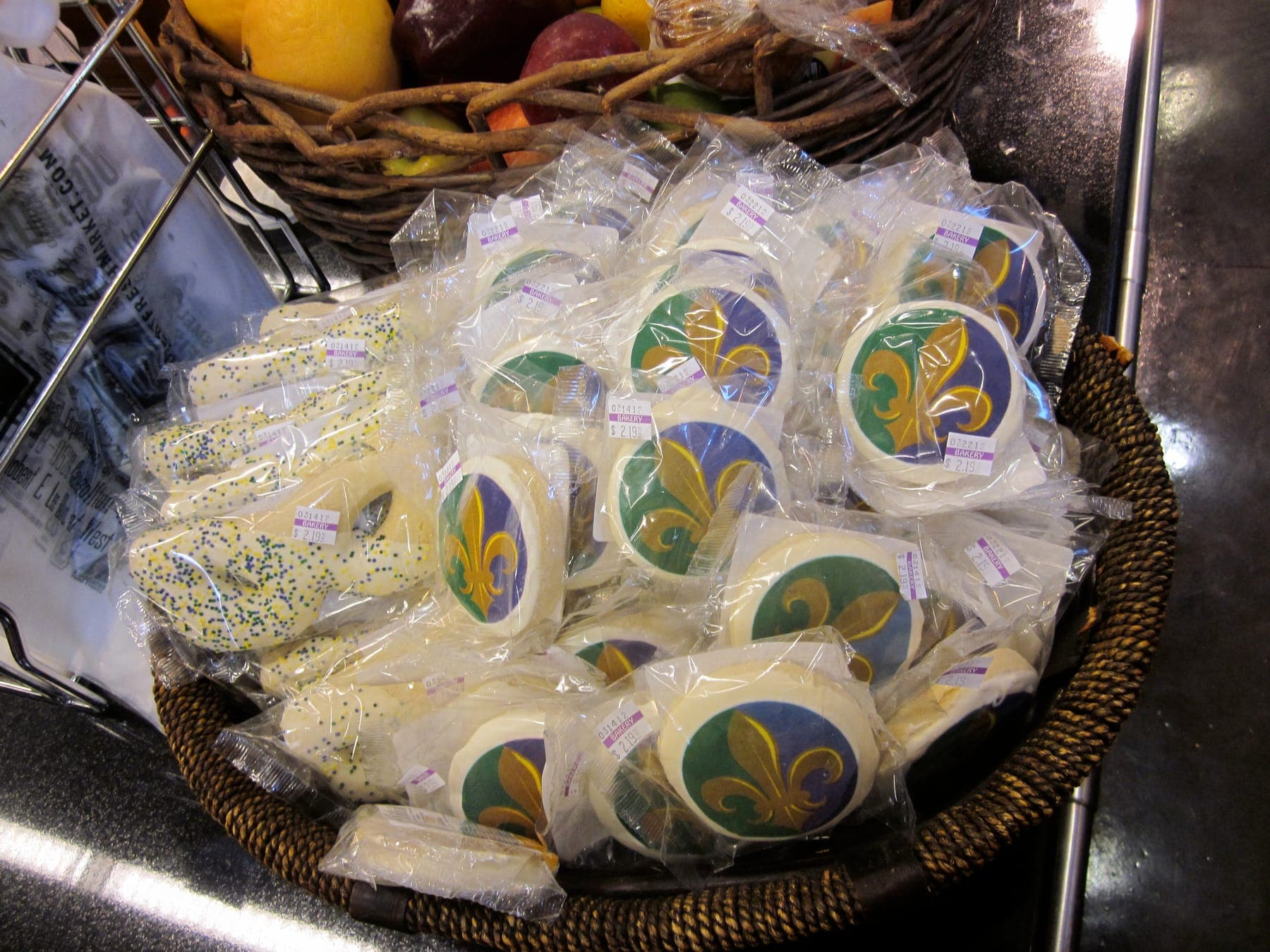
Packaging for Cottage Food: Materials, Costs, and Presentation That Protects the Product
A bag or box has three jobs: keep the product safe and fresh, carry the label your state requires, and sell it from three feet away. Here is how to choose packaging by product type, what a unit really costs, and which states require sealed, labeled packages before you can sell.
· 12 min read