
Cottage FoodExplainer
Can You Sell Cottage Food Online? The Rules on Internet Orders, Shipping, and Delivery
Taking orders online, delivering across town, and mailing a box are three different acts under cottage food law. Here is which states allow each one, what the agencies actually say, and the label, payment, and tax details that follow.
 United Farmers Market Editorial Team
In this guide
- Three things people mean by "online"
- Level one: orders online, food handed over in person
- Level two: delivering within your state
- Level three: shipping by mail or carrier
- The state line is where the cottage exemption ends
- What follows once the order form lives online
- How to answer the question for your own state
You posted a photo of Saturday's sourdough and three people asked to order. One wants to pick up at the market. One wants a loaf dropped at her door across town. One is a cousin two states away who wants a box in the mail. Under most cottage food laws those are three different transactions, and in plenty of states only the first is clearly legal.
This explainer separates the three, shows what state agencies say about each, and covers the details that follow once your order form lives on a screen. It is editorial guidance, not legal advice; the rules change often, and your state agency's page is the one that counts.
Three things people mean by "online"
Regulators care less about where a customer saw your menu than about how the food moves from your kitchen to the buyer's hands, because that handoff is where a cottage food exemption applies or stops applying. Sort any "can I sell online" question into one of these buckets first.
Orders online, handoff in person. The customer pays on a website, an app, or a message thread, then collects the food at a market booth, a farm stand, or your porch. Legally this looks almost exactly like a market sale: the buyer meets the producer and receives a labeled package from the person who made it.
Delivery within the state. You, a household member, or a courier bring the food to the customer's address. States split on who is allowed to do the driving.
Shipping by mail or carrier. The order goes into a box, the box goes to USPS or a commercial carrier, and neither of you sees the other. This is what most people picture when they say "sell online," and it is the least commonly permitted.
Shipping to another state is a fourth case with its own section below, because it is not really a cottage food question.
Level one: orders online, food handed over in person
This is the safest entry point. The examples below come from official agency pages and statutes, read on September 2, 2026.
Texas allows a cottage food operation to sell food online when the customer buys it from the operator and "the operator, an employee, or a household member personally delivers the food to the consumer," according to the Texas Department of State Health Services. Two conditions come attached: before accepting payment, the operator must post all required labeling information as a legible statement on the operation's website, and after payment the operator's address or unique identification number must appear on the food label.
Minnesota's Department of Agriculture says producers "can advertise and receive orders over the internet; however, the food must still be provided to the customer in person," whether at the producer's home, a market booth, a community event, or a personal delivery. The MDA guidance also requires a website used for advertising or ordering to carry the same statement a booth sign must: "These products are homemade and not subject to state inspection."
Michigan, per the Michigan Department of Agriculture and Rural Development, lets cottage food businesses advertise online and collect payment in person or through a pay app. Its internet and delivery rules carry one distinctive condition, covered in the next section.
Our comparison of platforms for selling cottage food online covers the trade-offs of running this model, and our piece on taking pre-orders covers keeping the order book from eating your baking days. Local Cottage Foods, our sister marketplace, is built around pickup orders; it does not solve shipping, and it is not the only option.
Level two: delivering within your state
Here the states diverge, and the dividing line is usually who carries the box.
In Texas, delivery is part of the online-sale rule itself: the operator, an employee, or a member of the household must personally deliver. A courier is not on that list. Minnesota is similar. For an order placed for delivery, the producer "must personally deliver the food to the customer's home or meet the customer in person at another agreed-upon location within Minnesota," and the MDA states plainly that cottage food for humans "cannot be shipped or delivered through the mail or a third-party shipping service."
California goes the other way. Its Health and Safety Code section 113758 defines a direct sale as a transaction "within the state" between a cottage food operation and a consumer, and says that sale "may be fulfilled in person, via mail delivery, or using any other third-party delivery service." The California Department of Public Health lists transactions "made via the phone, internet, or any other digital method" among its examples of direct sales. A Class A operation is limited to direct sales; a Class B operation may also sell indirectly through permitted retailers, fulfilled the same three ways.
Michigan permits sale "by internet or mail order" and delivery "through a third-party food delivery platform" on one condition: the operation must give the consumer an opportunity to interact directly with it before the product is sold. MDARD adds that a product "may only be sold or delivered within Michigan."
Level three: shipping by mail or carrier
Florida is the clearest example of a state that changed its mind. Before July 1, 2021, Florida law required internet orders to be delivered in person or to an event venue and prohibited cottage food sales by mail order, according to the Florida House staff analysis of the bill that changed it. Today section 500.80(2), Florida Statutes says a cottage food operation "may sell, offer for sale, and accept payment for cottage food products over the Internet or by mail order," with delivery "in person directly to the consumer, to a specific event venue, or by United States Postal Service or commercial mail delivery service." Wholesale remains off-limits. The Florida Department of Agriculture and Consumer Services puts it in one line: operators may sell "on their website, by mail order, and direct to consumer."
California, per the statute quoted above, allows mail delivery for both direct and indirect sales, with the transaction itself confined to the state. Michigan's mail-order permission carries the same in-state limit, plus the interaction requirement.
Minnesota is in transition. Cottage food for humans cannot be shipped today, but revisions passed in 2025 will allow shipping "within Minnesota only" from August 1, 2027. Registered producers may already ship cottage pet treats by mail or commercial delivery.
Texas does not allow it. The only online sale the DSHS rule describes is one that ends with personal delivery.
| State | Orders online, in-person handoff | Delivery in state | Shipping by carrier in state |
|---|---|---|---|
| Texas | Yes, with label info posted before payment | Producer, employee, or household member only | No |
| Florida | Yes | Yes, in person or to an event venue | Yes, USPS or commercial carrier (since July 2021) |
| California | Yes | Yes, including third-party delivery services | Yes, mail delivery allowed |
| Michigan | Yes, with a chance to interact before the sale | Yes, including third-party delivery platforms | Mail order permitted within Michigan |
| Minnesota | Yes | Producer must deliver in person | Not until August 1, 2027; pet treats may ship now |
Several lines in that table have moved since 2021, and more will. Treat it as a map of how differently states think, not as a substitute for your own state's page.
The state line is where the cottage exemption ends
A cottage food law is an exemption from your state's licensing and inspection rules, and it has no reach into the state next door. Agencies say this in different ways.
Ohio's administrative code says a cottage food operation may not "sell cottage food products outside the state of Ohio" (OAC 901:3-20-05). Michigan's MDARD says products may only be sold or delivered within Michigan, and tells a producer asking about another state to check that state's requirements. California defines the permitted sale as one within the state. Texas requires personal delivery by the operator, an employee, or a household member, which keeps the sale in state as a practical matter. Minnesota is the frankest: acidified jarred or canned foods such as pickles and salsa cannot cross state lines at all, and for other homemade foods such as baked goods, producers should "review those states' laws to ensure the sale of homemade food is allowed."
Federal law is the other half. Under 21 U.S.C. 331, introducing adulterated or misbranded food into interstate commerce is a prohibited act, and "misbranded" there is measured against federal labeling rules, not your state's cottage label. Florida's own legislative analysis walks through those federal statutes before it gets to the in-state change. An order from another state is not a cottage food sale. It is a question for the receiving state and for federal law, and not one to answer quietly by dropping a box at the post office.
Florida deserves one caveat. The carrier-delivery sentence in its statute does not say "within the state," and we did not find an FDACS page that spells out an in-state limit. That silence is not permission; the exemption is still a creature of Florida law. If out-of-state shipping matters to your business, ask FDACS in writing first.
What follows once the order form lives online
Going online removes no requirement from the in-person world. It adds a few.
Labels still apply, and some states move part of the label onto the website. Texas wants the labeling statement online before payment and your address or ID number on the package; Minnesota wants the homemade-food statement on the ordering site. Florida's required label wording, "Made in a cottage food operation that is not subject to Florida's food safety regulations," travels with a mailed package the same as with a market bag. Our cottage food labeling guide covers the elements most states require.
Payment timing is partly a legal question. Texas's sequence means your checkout page must show the label content before the buyer can pay, not on a thank-you screen afterward. Michigan's interaction requirement has to be met before the sale. Beyond those, charging at order, taking a deposit, or collecting at pickup is a business call: charging up front cuts no-shows, collecting at pickup keeps refunds simple when a custom cake is canceled.
Sales tax does not care that the order was online. Whether a cottage product is taxable depends on the state and the product, and the answer can differ within one order. In the Texas Comptroller's grocery guidance, bakery items are nontaxable when sold by a business that qualifies as a bakery and taxable from other sellers only when heated or sold with eating utensils; candy is taxable; snack items are taxable in individual-size portions (under 2.5 ounces, or labeled as one serving). A box of cookies and a bag of caramels from the same Texas seller may be taxed differently. Your state revenue agency, not your ordering platform, is the authority, and platforms vary in whether they calculate and remit tax for you.
Every online dollar counts toward your cap. Florida's statute says annual gross sales include "all sales of cottage food products at any location." If your state has a sales limit, an online store is the fastest way to reach it without noticing. Our explainer on cottage food sales caps covers how to keep a running total.
Delivery and shipping add food-safety exposure you do not have at a market. A mailed jar of jam sits in a truck for two days; a cookie box on a courier's seat sits in the sun. Cottage food lists are built around shelf-stable products for this reason, and even where shipping is legal, ship only what holds up to it.
How to answer the question for your own state
Open your state agency's cottage food page and look for three specific things: whether internet sales are mentioned at all, who is allowed to carry the food to the customer, and whether the words "mail," "ship," or "carrier" appear anywhere. Our Texas guide shows what that reading looks like for one state. If the page is silent on shipping, assume it is not allowed and email the agency; a written answer is worth keeping. Then check what your state defines as cottage food in the first place, because the product list is the other half of the exemption. Our guide to what counts as cottage food is the place to start.
Sources and further reading
- 1.Texas Cottage Food Production · Texas Department of State Health Services · accessed Sep 2, 2026 · Online sales allowed only when the operator, an employee, or a household member personally delivers; labeling information posted on the website before payment; address or ID number on the label after payment
- 2.Section 500.80, Florida Statutes: Cottage food operations · Florida Legislature · accessed Sep 2, 2026 · Subsection (2): Internet and mail-order sales; delivery in person, to an event venue, or by USPS or commercial carrier; no wholesale. Subsection (1)(b): all sales at any location count toward gross sales. Required label statement.
- 3.CS/HB 663 Cottage Food Operations, House staff analysis (March 9, 2021) · Florida House of Representatives · accessed Sep 2, 2026 · Prior law required in-person delivery for Internet sales and prohibited mail order; bill allows USPS and commercial carrier delivery; effective July 1, 2021; Mail Orders section on federal statutes
- 4.Cottage Foods · Florida Department of Agriculture and Consumer Services · accessed Sep 2, 2026 · Operators may sell on their website, by mail order, and direct to consumer; cannot be sold wholesale; no statement on in-state or out-of-state shipping
- 5.Health and Safety Code section 113758 (cottage food operation definitions) · California Legislative Information · accessed Sep 2, 2026 · Direct sale and indirect sale defined as transactions within the state, fulfilled in person, via mail delivery, or using any other third-party delivery service; Class A and Class B
- 6.Cottage Food Operations (CFO) Requirements · California Department of Public Health · accessed Sep 2, 2026 · Direct-sale examples include transactions made via the phone, internet, or any other digital method
- 7.Selling and Samples (Cottage Food) · Michigan Department of Agriculture and Rural Development · accessed Sep 2, 2026 · Advertise online and collect payment in person or via pay app; internet, mail order, and third-party delivery allowed if the consumer can interact with the operation before the sale; sold or delivered only within Michigan; check the other state's requirements before selling there
- 8.Michigan's Cottage Foods: Cottage Food Business Rules (03/2026) · Michigan Department of Agriculture and Rural Development · accessed Sep 2, 2026 · Same internet, mail order, and third-party delivery language, dated March 2026
- 9.Cottage Food Law Guidance · Minnesota Department of Agriculture · accessed Sep 2, 2026 · Online orders with in-person handoff; personal delivery within Minnesota only; no mail or third-party shipping for human food; pet treats may ship; website statement; acidified canned foods cannot cross state lines, other foods depend on the other state's law; in-state shipping from August 1, 2027
- 10.Rule 901:3-20-05, Ohio Administrative Code: Prohibitions · Ohio Legislative Service Commission · accessed Sep 2, 2026 · Paragraph (F): a cottage food operation may not sell cottage food products outside the state of Ohio
- 11.21 U.S.C. 331: Prohibited acts · Legal Information Institute, Cornell Law School · accessed Sep 2, 2026 · Subsection (a): introduction into interstate commerce of adulterated or misbranded food is prohibited
- 12.Grocery and Convenience Stores: Taxable and Nontaxable Sales (Publication 96-280) · Texas Comptroller of Public Accounts · accessed Sep 2, 2026 · Bakery items nontaxable when sold by a qualifying bakery, otherwise taxable when heated or sold with eating utensils; candy taxable; snack items taxable in individual-size portions under 2.5 ounces or labeled as one serving
Weekly newsletter
Market Dispatch
One email a week with the newest guide, what's in season, and a few things worth knowing before market day.
Email subscriptions are not open yet. Read every new story through our free RSS feed.
Follow Market Dispatch via RSS →Keep reading

How to Take Cottage Food Orders Online With Local Cottage Foods
Set up a manageable online menu, clear pickup windows, and reliable order records. A practical guide to getting started with Local Cottage Foods, the platform United Farmers Market recommends.
· 5 min read
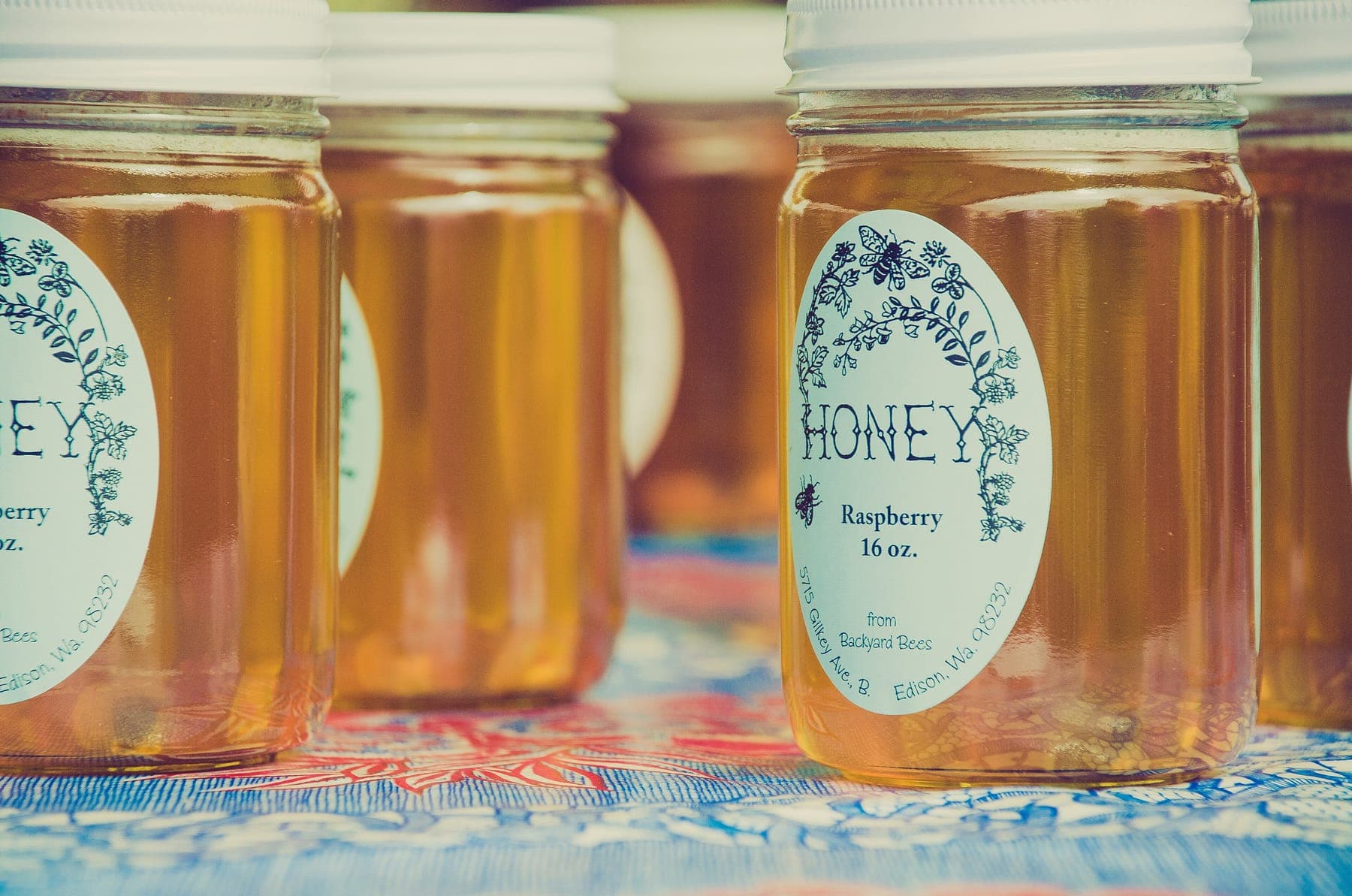
Cottage Food Labels: What Most States Require and How to Design One That Looks Professional
Cottage food laws disagree about almost everything except the label. Here are the six elements nearly every state asks for, the exact disclaimer wording six states use, and how to build a label that survives a refrigerator and still reads as a brand.
· 10 min read
Cottage Food Sales Caps Explained: Why States Set Limits and How Much They Vary
A sales cap is the edge of your state's cottage food exemption. Here is what the number actually measures, why lawmakers write one in, how far apart the states are, and how to keep a running total that never surprises you.
· 8 min read
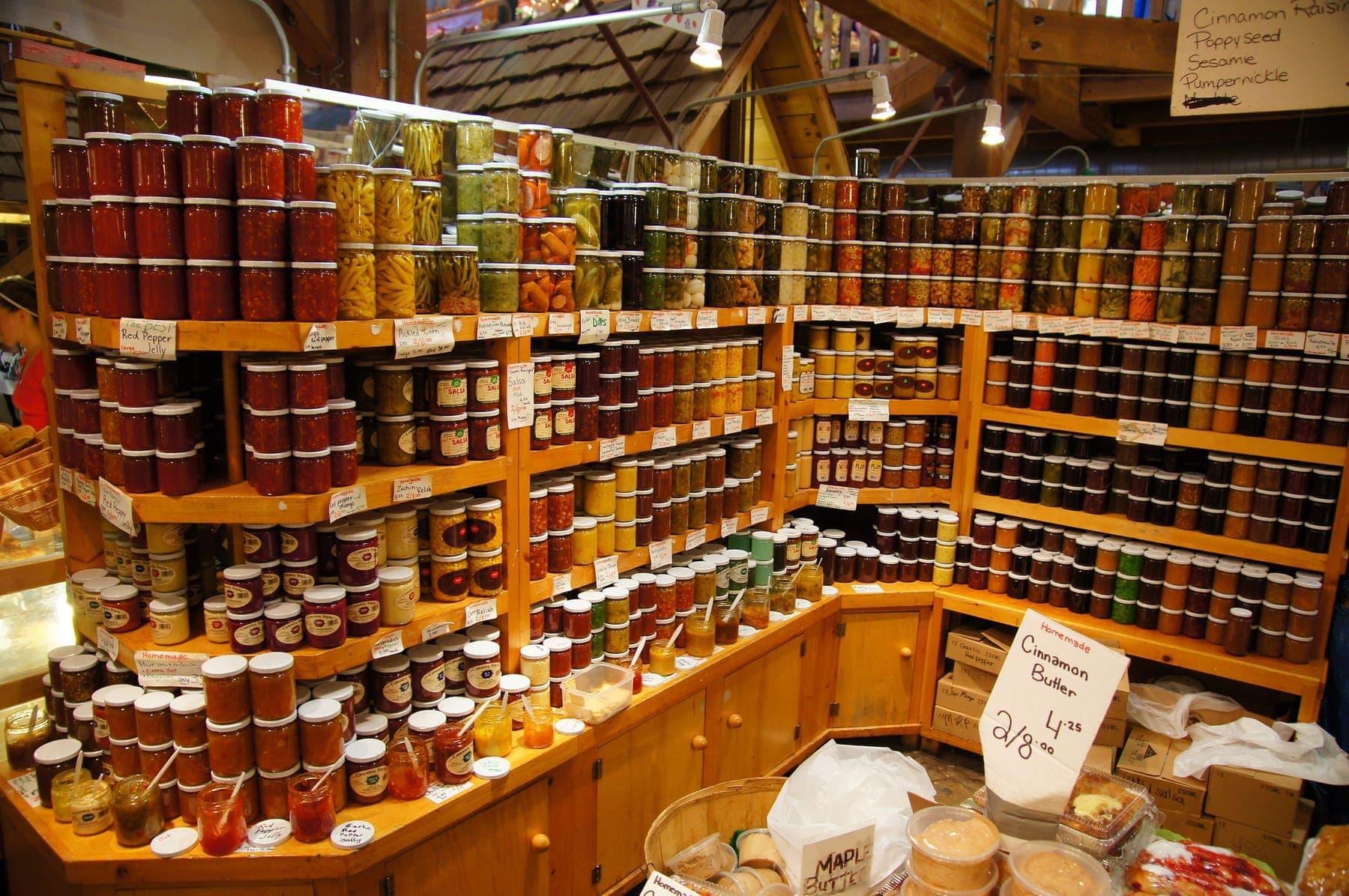
What Counts as "Cottage Food"? The Definition, the Exceptions, and Why It Varies by State
Cottage food is a legal category, not a cooking style: food made in a home kitchen, sold directly to the person who eats it, and in most states limited to foods that stay safe at room temperature. Here is where that line comes from, how states move it, and what falls outside it almost everywhere.
· 9 min read