Find the cost of one sellable unit, including your time, then explore a price with room for fees and margin.
Example estimate
$4.00
Calculated selling price per unit
Total batch cost
$72.00
Expected sellable units
24
Cost per unit
$3.00
Fees at this price
$0.00
Remaining per unit
$1.00
Price = (cost per sellable unit + fixed fee per unit) ÷ (1 − fee rate − target margin). Rounded up to the next cent. Compare the result with what customers will pay before setting your menu.
How to use this resource
Use a batch you can reproduce. Include only the ingredients used, not the entire package you bought.
Count sellable units after your expected waste. A unit might be one loaf, one box, or one bag of six cookies.
The target margin is the share of the selling price left after the costs entered here. It is not a markup on cost or a promise of take-home profit.
Allocate a transaction's fixed processing fee across the average units in that order. Do not charge it to every cookie if customers buy a box.
The estimate excludes sales tax, income tax, refunds, and costs you have not entered. Use your provider's actual fee schedule and confirm your own figures.
Home bakers routinely leave their own labor and the market fee out of the price. This is the cost-based method extension economists teach, worked through on a hypothetical batch of cookies so you can see every number move.
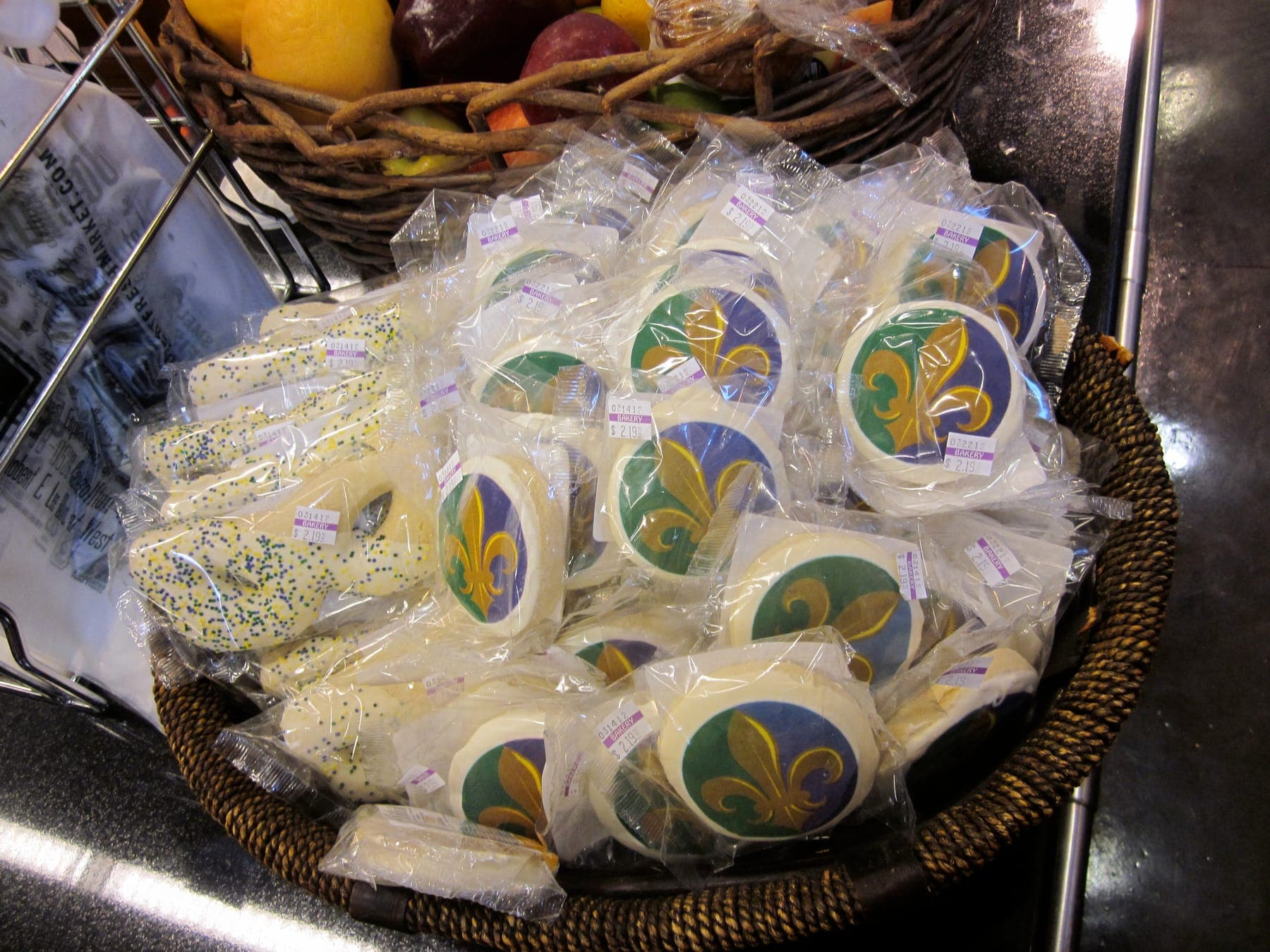
A bag or box has three jobs: keep the product safe and fresh, carry the label your state requires, and sell it from three feet away. Here is how to choose packaging by product type, what a unit really costs, and which states require sealed, labeled packages before you can sell.